
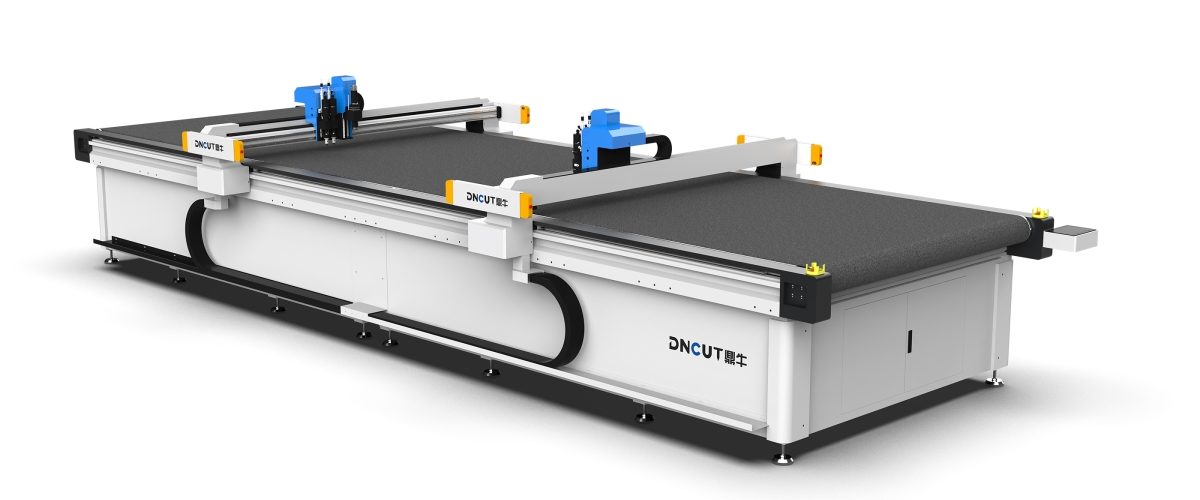
Overview of Fur Cutting Machines
Fur materials (such as wool, rabbit fur, mink, faux fur, etc.) are soft, easily deformed, prone to static electricity, and shed hair easily during cutting. Traditional cutting methods have low efficiency and poor precision. CNC oscillating knife cutting machines perform cold cutting through high-frequency vibrating blades, without the need for high-temperature lasers, avoiding burnt edges and material damage, making them an ideal choice for fur cutting. This article provides a practical guide covering equipment selection, process parameters, common issues, and maintenance.
I. Key Selection Parameters for Fur Cutting Machines
1. Cutting Working Area
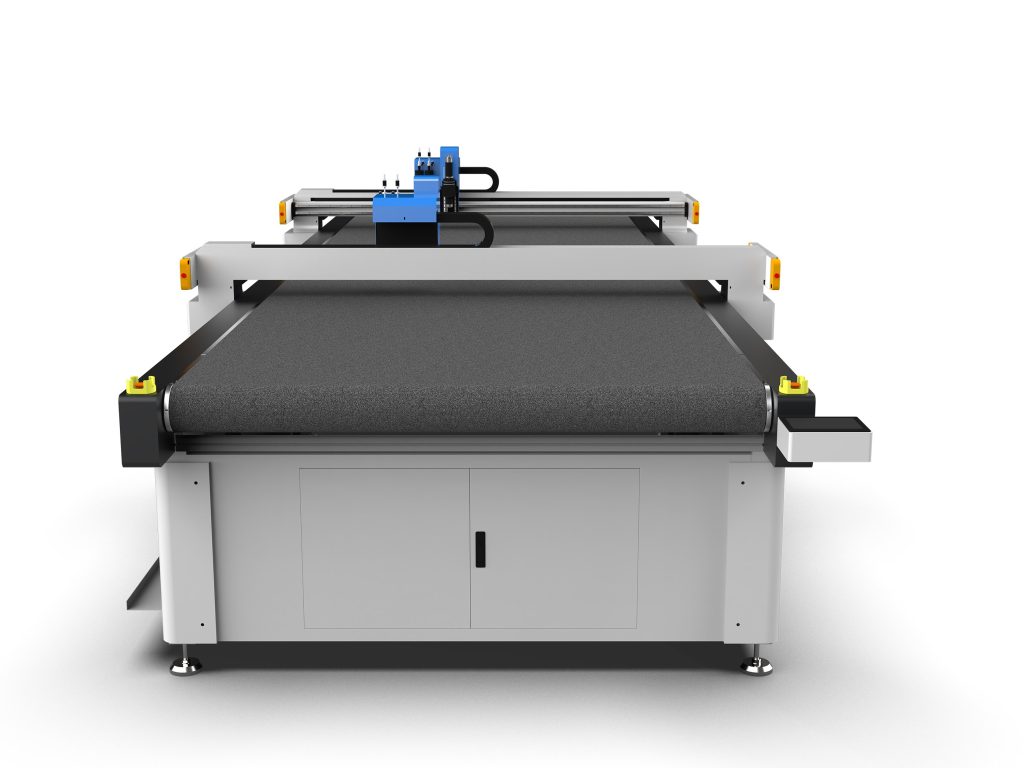
Choose based on common fur raw material sizes and layout requirements. For example, sheepskin raw materials are typically 60-80cm wide; it is recommended to choose equipment with an effective cutting working area of no less than 1600mm×2500mm to allow multiple hides to be laid out at once. For small-batch, multi-variety production, a small working area model of 1200mm×1200mm can be selected.
2. Oscillating Knife Frequency and Amplitude
The oscillating knife frequency is typically 8,000-12,000 times per minute, with adjustable amplitude (0.5-5mm). When cutting thick fur (such as plush), the frequency needs to be increased to over 10,000 times/min, and the amplitude appropriately increased (2-3mm) to ensure neat cuts and reduce frayed edges. When cutting thin fur (such as rabbit fur), the frequency can be reduced to 8,000 times/min with an amplitude of 1-2mm to avoid excessive vibration causing material displacement.
3. Blade Types
Common blades include:
- Oscillating knife: Suitable for most furs, with good cut verticality.
- Round knife: Suitable for cutting thicker fur, but the cut is slightly curved.
- Drag knife: Used for fine pattern cutting, but tends to pull fur, requiring vacuum adsorption for fixation.
It is recommended to equip the oscillating knife as standard and a round knife as an alternative.
4. Vacuum Adsorption System
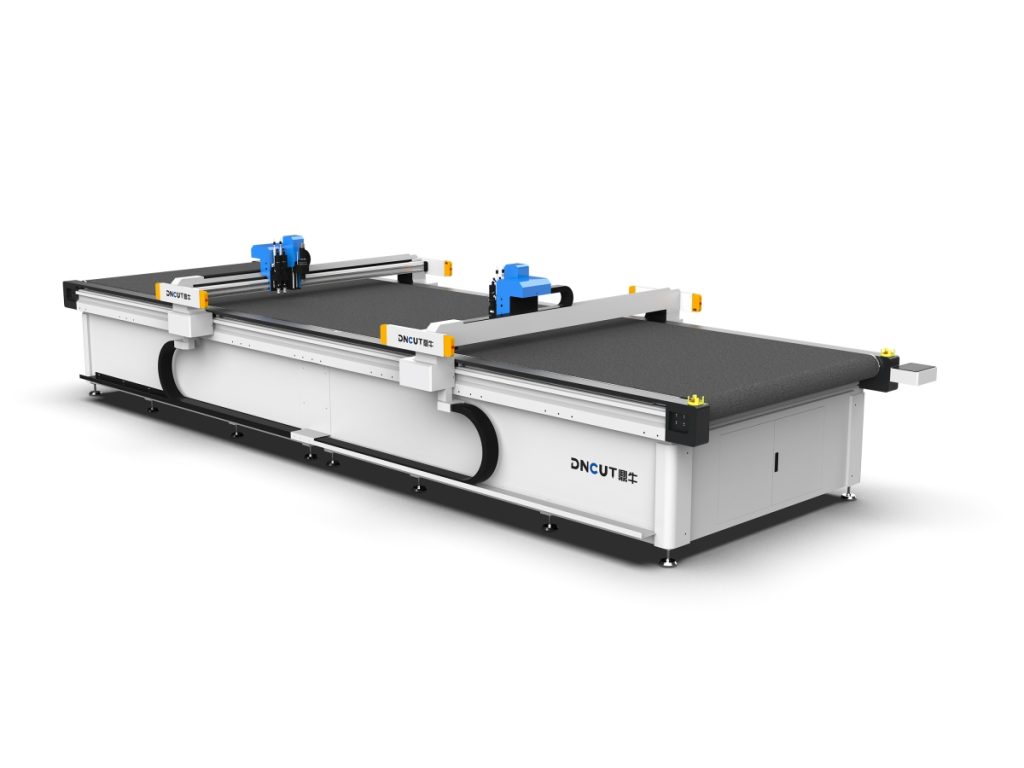
Fur is soft and easily displaced, so a vacuum adsorption system is essential. The adsorption force should be no less than -0.06MPa, and the adsorption area should be zone-controlled to accommodate hides of different sizes. For highly breathable fur, high-density adsorption pads or covering film should be used to enhance adsorption effectiveness.
5. Control System and Software
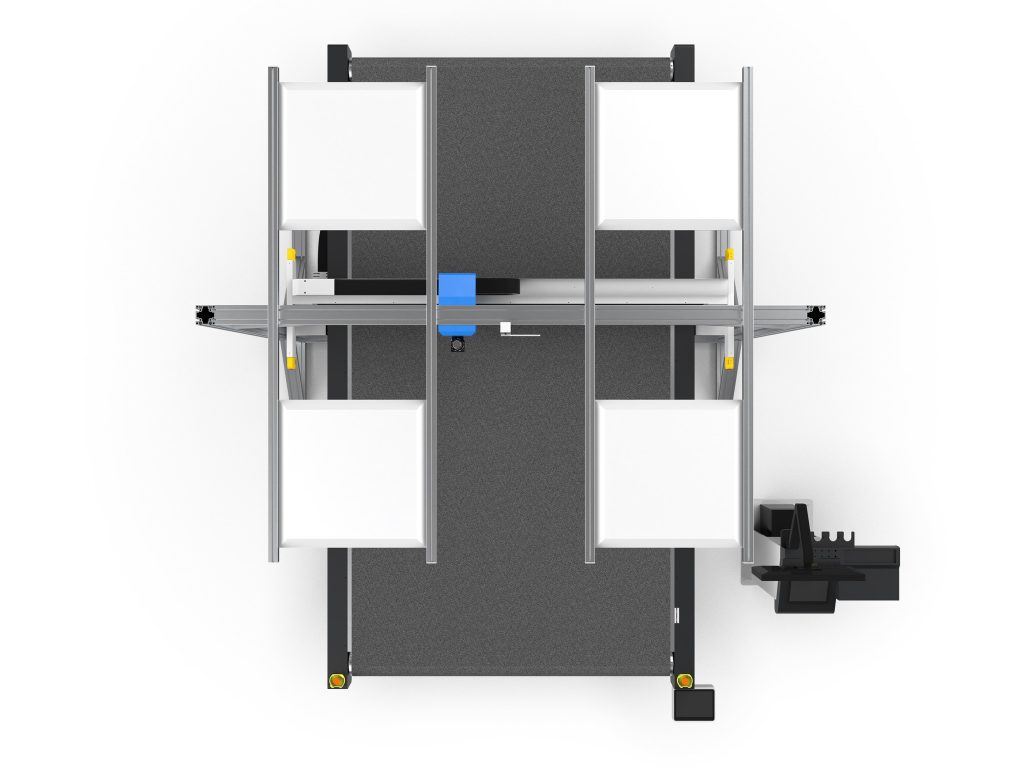
Choose a CNC system that supports common CAD formats (DXF, PLT, AI) and features automatic nesting and path optimization. The software should allow setting cutting speed, knife pressure, overcut, and other parameters. Models with vision positioning systems are recommended, as they can automatically identify hide contours and improve nesting utilization.
II. Fur Cutting Process Parameter Settings
1. Cutting Speed
Too fast a speed will cause rough cuts and material displacement; too slow results in low efficiency and possible scorching (although it is cold cutting, friction heat can still have an effect). It is recommended to set the initial speed at 300-500mm/s, adjusting according to fur thickness and density. For example, mink cutting speed can be set at 400mm/s, and plush at 250mm/s.
2. Knife Pressure
Knife pressure determines the force with which the blade presses into the material. For thin fur (such as rabbit fur), set knife pressure at 0.2-0.3MPa; for thick fur (such as sheep shearling), set at 0.4-0.6MPa. Excessive knife pressure can cause cutting through the underlying material or blade wear, while insufficient pressure results in incomplete cuts.
3. Overcut Setting
When cutting closed shapes, an overcut amount (typically 0.5-2mm) needs to be set to ensure complete cutting at corners. For fur, the overcut should not be too large to avoid damaging adjacent areas.
4. Multi-layer Cutting
Fur can be cut in multiple layers, but inter-layer fixation must be ensured. It is recommended to fix each layer with double-sided tape or spray adhesive, with total thickness not exceeding 20mm. Cutting speed should be reduced by 20%-30% accordingly.
III. Common Issues and Solutions
1. Rough Cuts and Frayed Edges
Causes: dull blade, low vibration frequency, excessive speed. Solutions: replace blades regularly (inspect every 8 hours recommended), increase vibration frequency to over 10,000 times/min, reduce cutting speed to below 300mm/s.
2. Material Displacement
Causes: insufficient adsorption force, excessive knife pressure, excessive speed. Solutions: check vacuum pump and adsorption pad sealing, increase adsorption force; reduce knife pressure and speed; for small pieces, add auxiliary adsorption fixtures.
3. Incomplete Cutting
Causes: insufficient blade extension length, insufficient knife pressure, insufficient overcut. Solutions: adjust blade extension length (typically 0.5-1mm more than material thickness), increase knife pressure, set overcut to 1-2mm.
4. Static Electricity Causing Lint Adhesion
Fur easily generates static electricity, causing lint to adhere to the table and guide rails. Solutions: install ion fans to eliminate static electricity, clean the table regularly, use anti-static adsorption pads.
IV. Maintenance and Care
1. Daily Cleaning
After each shift, use a vacuum cleaner to remove lint from the table, guide rails, and blade head area. Prevent lint from entering guide rails and lead screws, which can cause wear.
2. Blade Replacement
Cutting quality degrades after blade wear, so timely replacement is necessary. Pay attention to blade orientation during replacement and calibrate the perpendicularity between the blade and the table. It is recommended to stock common blades.
3. Adsorption System Maintenance
Weekly, check the vacuum pump oil level (if oil pump), clean lint from the adsorption pad surface, and check pipes for air leaks. Replace damaged adsorption pads promptly.
4. Transmission System Lubrication
Monthly, clean and apply lubricating grease to guide rails and lead screws. For fur processing environments, dust-resistant lubricating grease is recommended.
V. Selection Recommendations Summary
When choosing a fur cutting machine, prioritize oscillating knife models, determine the working area based on production volume, ensure the adsorption system is strong and reliable, and the software supports automatic nesting and vision positioning. Process parameters need to be adjusted according to fur type and determined through trial cuts for the optimal combination. Daily maintenance should focus on cleaning and blade management. Following the above guidelines can significantly improve cutting quality and production efficiency.