
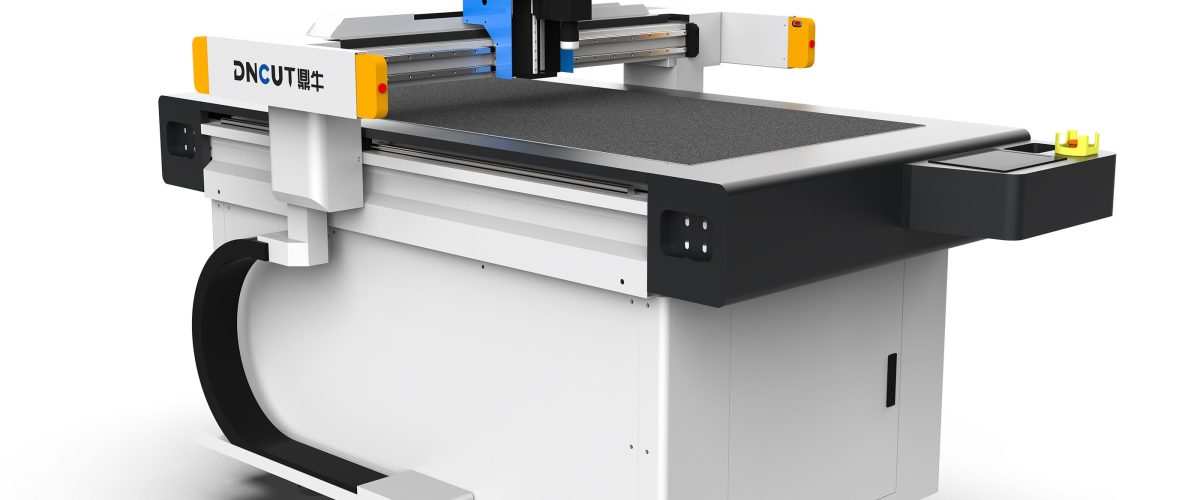
Overview of Fiber Cutting Machines
Fiber cutting machines are CNC equipment specially used for cutting composite materials such as carbon fiber, glass fiber, and aramid fiber, and are widely used in aerospace, automotive manufacturing, sports equipment, and other fields. Compared with traditional blade cutting or laser cutting, fiber cutting machines using oscillating knife cutting technology can achieve high-precision cutting with no thermal effect, and are especially suitable for processing multilayer fiber prepregs.
Analysis of Core Technical Parameters
When selecting a fiber cutting machine, the following parameters should be given special attention:
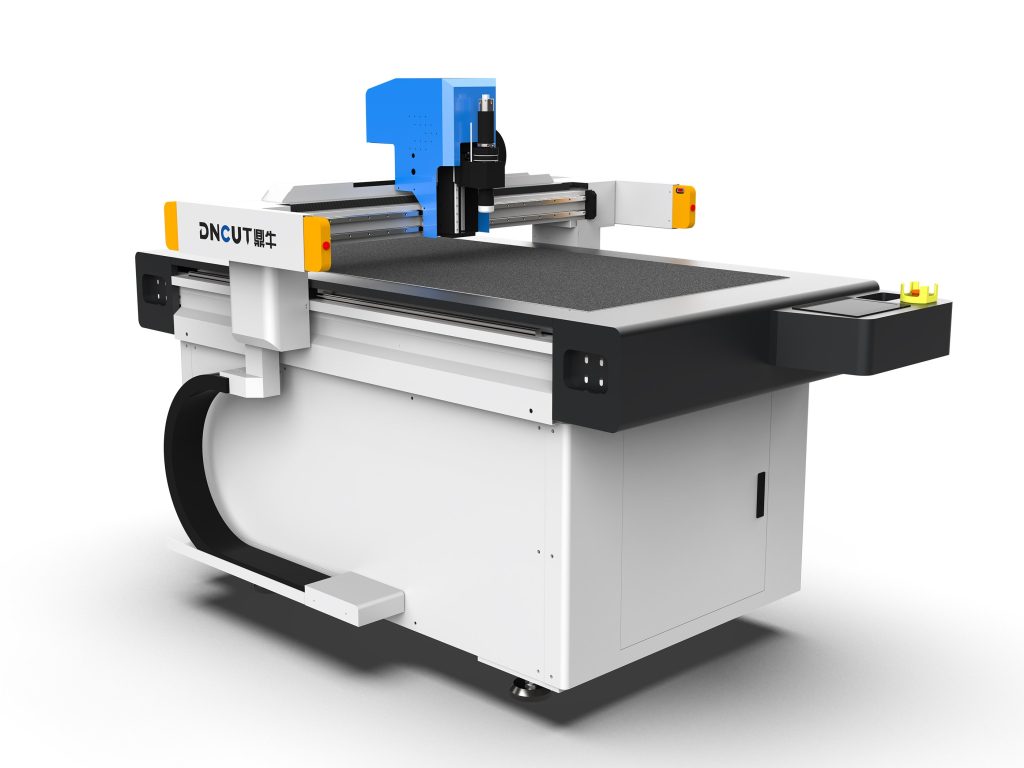
- Cutting accuracy: Typically required to be within ±0.1mm, high-precision models can reach ±0.05mm.
- Maximum cutting speed: Varies depending on material thickness and number of layers, generally between 10-50m/min.
- Cutting thickness: Single-layer fiber cloth can be as thin as 0.1mm, multi-layer prepreg can reach 50mm.
- Working area size: Common specifications are 1600mm×2500mm, 2000mm×3000mm, customizable according to requirements.
- Oscillation frequency: High-frequency oscillation (e.g., 3000-5000 times per minute) ensures smooth cuts and reduces fiber burrs.
- Control system: Adopts industrial-grade CNC system, supports direct import of CAD/CAM software.
Oscillating knife cutting principle and advantages
Oscillating knife cutting achieves material separation through high-frequency up-and-down vibration of the blade (amplitude typically 0.5-2mm). The cutting force is small and no heat-affected zone is produced, avoiding fiber scorching and edge hardening caused by laser cutting. At the same time, the oscillating knife can be equipped with various blade shapes (such as pointed knife, round knife, serrated knife) to meet the cutting needs of different fiber materials.
Comparison with traditional processes
- Laser cutting: Large heat-affected zone, fiber ends are prone to burning, and harmful gases are generated.
- Waterjet cutting: Slow speed, high energy consumption, and wastewater treatment is required.
- Die cutting: Requires making a die, suitable for large-volume simple shapes, and has poor flexibility.
Oscillating knife cutting has obvious advantages in precision, environmental friendliness, and flexibility, and is especially suitable for small-batch, multi-variety fiber cutting.
Selection Key Points
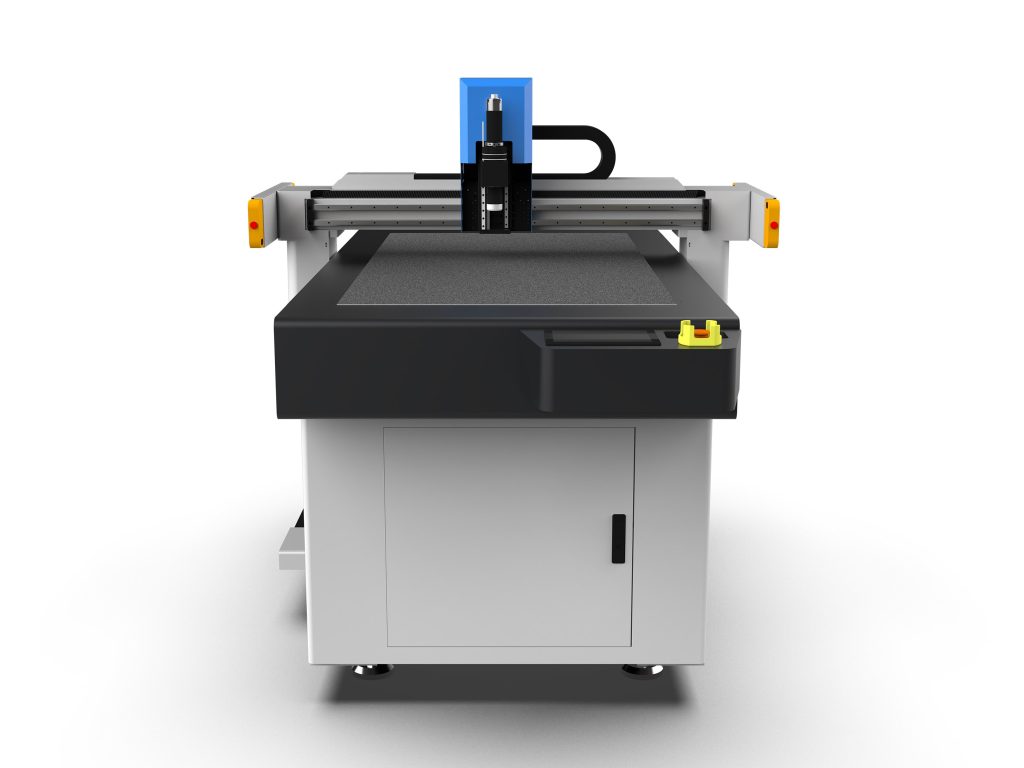
Choose the appropriate fiber cutting machine according to production requirements:
- Material type: Carbon fiber prepreg requires dedicated blades and anti-static devices; for glass fiber, diamond-coated blades are recommended to extend service life.
- Number of layers and thickness: For single-layer cutting, high-speed models can be selected; for multi-layer cutting, the blade’s penetration force and oscillation frequency need to be considered.
- Degree of automation: Functions such as automatic feeding, vision positioning, and automatic tool changing can improve efficiency and are suitable for large-volume production.
- Software compatibility: Ensure the equipment supports common formats such as DXF and PLT and can seamlessly interface with CAD design software.
- After-sales service: Choose manufacturers with technical support and spare parts supply to reduce downtime.
Process Optimization Recommendations
To fully leverage the performance of the fiber cutting machine, the following measures are recommended:
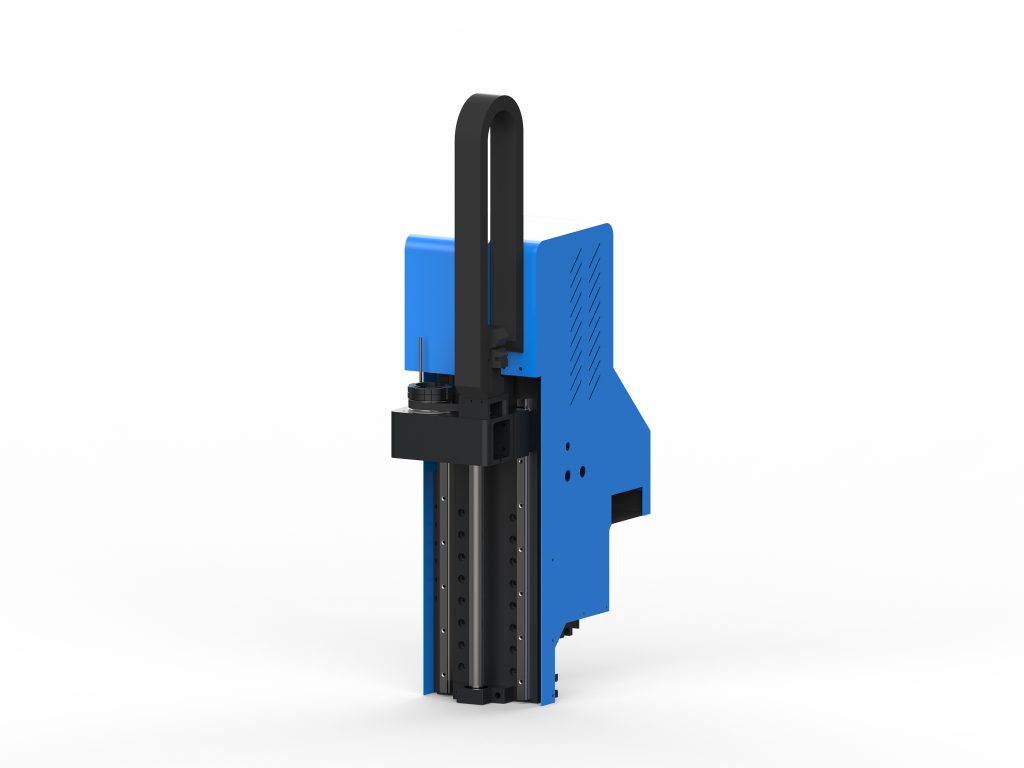
- Tool management: Establish tool life records, regularly check blade wear, and replace in time. For carbon fiber cutting, it is recommended to check the blade every 8 hours.
- Parameter optimization: Adjust the oscillation frequency and feed speed according to material thickness. For example, when cutting 1mm thick carbon fiber prepreg, an oscillation frequency of 4000 times/min and a feed speed of 15m/min are recommended.
- Vacuum adsorption: Use a vacuum adsorption table to secure the material, prevent displacement during cutting, and ensure accuracy.
- Environmental control: Maintain the workshop temperature at 20±5℃ and humidity at 50±10% to avoid moisture absorption by fiber materials affecting cutting quality.
- Regular maintenance: Clean the guide rails and transmission components weekly, and check the air path and vacuum system monthly.
FAQ and Solutions
Burrs at the Cut
Possible causes: dull blade, oscillation frequency too low, feed speed too fast. Solutions: replace the blade, increase the oscillation frequency to the recommended value, and reduce the feed speed by 10%-20%.
Material Delamination
Delamination during multi-layer cutting is usually caused by insufficient blade sharpness or insufficient vacuum suction. It is recommended to use a sharp blade and ensure the vacuum pressure reaches -0.08MPa or above.
Precision Deviation
Check guide rail lubrication and belt tension, and perform lead screw compensation if necessary. Also confirm that the CAD file dimensions are accurate.
Maintenance Guide
Proper maintenance can extend equipment life:
- Daily: Clean the table and working area, check air pressure and vacuum level.
- Weekly: Clean the guide rails and racks, add lubricating grease.
- Monthly: Check the blade clamping mechanism, calibrate the sensors.
- Yearly: Perform a comprehensive overhaul of the drive system, replace worn parts.
By following the above guidelines, the fiber cutting machine can run stably for 5-8 years while maintaining high-precision cutting.