
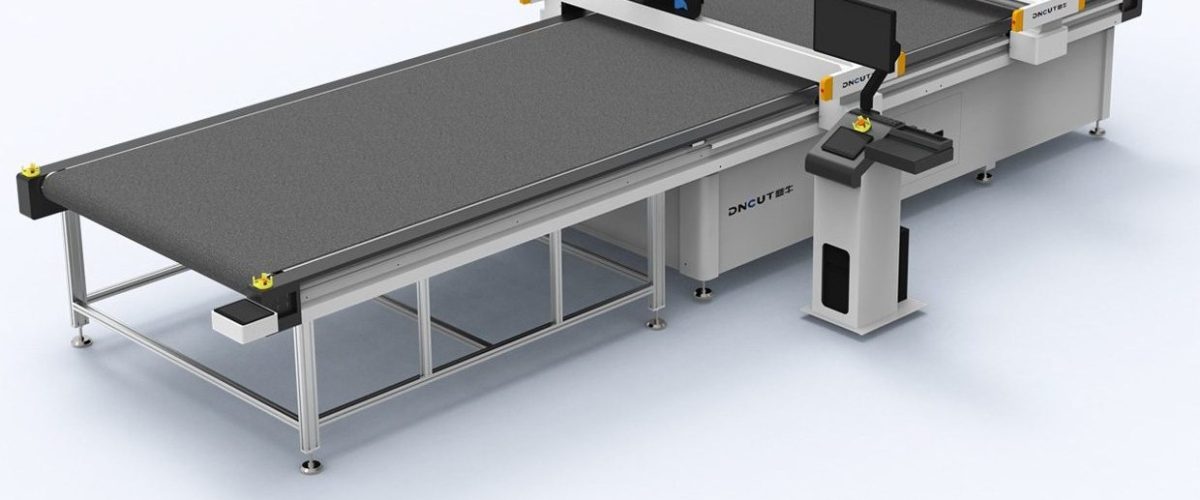
Challenges of Carbon Fiber Cutting and Key Points for Equipment Selection
Carbon fiber composite materials are widely used in aerospace, automotive, sports equipment and other fields due to their high strength and lightweight characteristics. However, cutting carbon fiber faces many challenges: the material is brittle and prone to burrs and delamination, and the dust generated during cutting is conductive and harmful to human health. Therefore, choosing the right carbon fiber cutting machine is crucial. This article will explore in depth the key points for selecting a carbon fiber cutting machine, key parameters, and process optimization in actual operation.
Comparison of Main Carbon Fiber Cutting Methods
At present, carbon fiber cutting mainly uses mechanical cutting (such as oscillating knife, circular knife), laser cutting, ultrasonic cutting and waterjet cutting. Different methods have their own advantages and disadvantages and are suitable for different production scenarios.
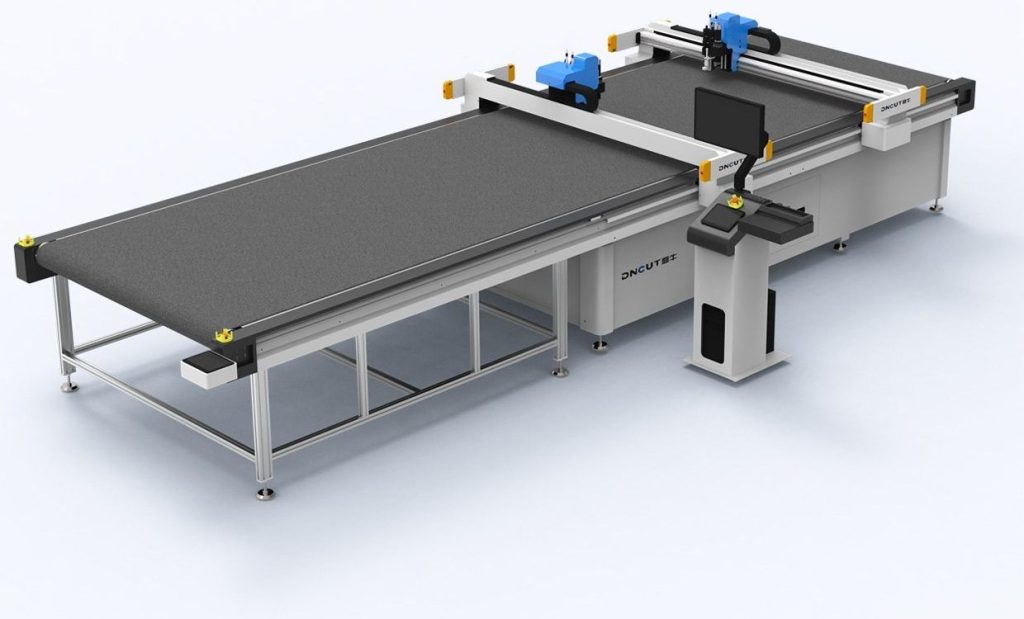
- Oscillating knife cutting: Cutting is performed with a high-frequency oscillating blade, producing clean cuts with no heat-affected zone, suitable for cutting multilayer carbon fiber prepreg and cured thin sheets. Cutting speed can reach 60-120 m/min, with accuracy of ±0.1 mm.
- Laser cutting: Fast cutting speed and a small heat-affected zone, but it generates harmful gases and smoke, and has limited capability for cutting thick sheets, with possible charring at the edges. Suitable for fine cutting of thin carbon fiber cloth.
- Ultrasonic cutting: Uses ultrasonic vibration to reduce cutting resistance, producing smooth cuts with no burrs, particularly suitable for aramid and carbon fiber blended materials. However, equipment cost is relatively high, and cutting thickness is limited.
- Waterjet cutting: a cold cutting process with no thermal damage, capable of cutting thick plates, but with slow cutting speed and requiring wastewater treatment. Suitable for cutting thick carbon fiber plates.
Considering efficiency, precision, and environmental factors, the oscillating knife cutting machine is the most widely used in carbon fiber prepreg and thin plate cutting. The following will focus on the selection and process of the oscillating knife carbon fiber cutting machine.
Analysis of Key Parameters of Carbon Fiber Cutting Machine
When selecting a carbon fiber cutting machine, the following parameters need to be focused on:
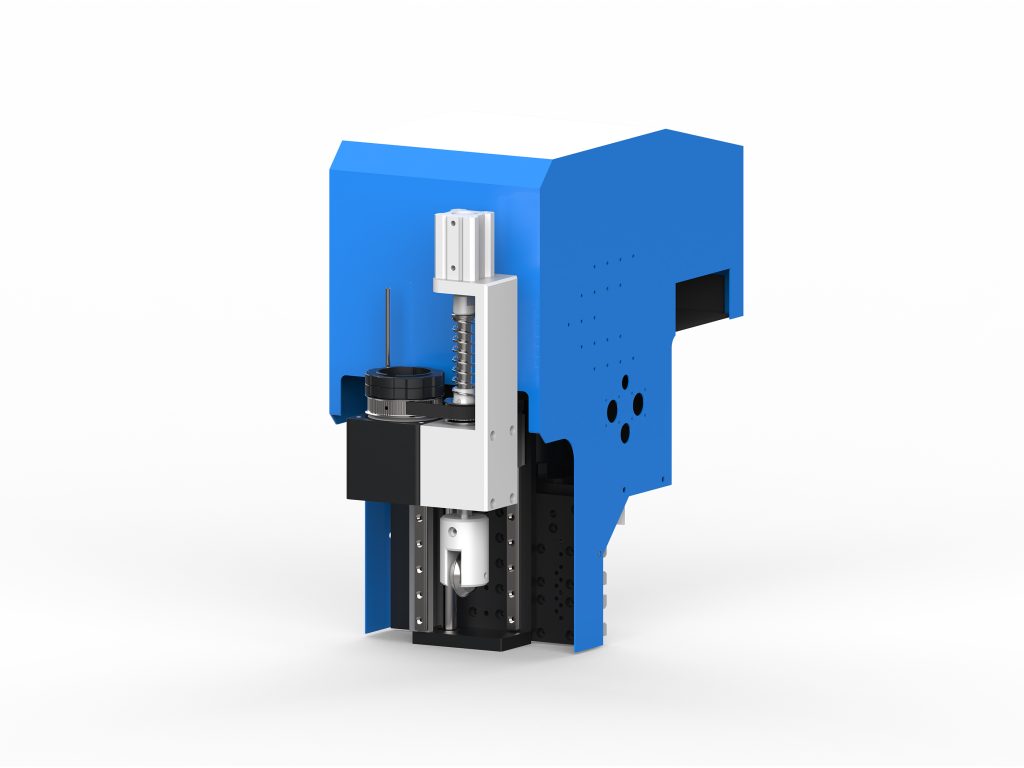
- Cutting accuracy: typically required to be within ±0.1mm, high-precision models can reach ±0.05mm. Accuracy directly affects subsequent layup and assembly quality.
- Cutting speed: Adjust according to material thickness and number of layers. Generally, the cutting speed for single-layer prepreg can reach 80-120 m/min, while for multiple layers (e.g., 10 layers) it needs to be reduced to 20-40 m/min to ensure cut quality.
- Maximum cutting thickness: Oscillating knife models can typically cut carbon fiber sheets of 0.1-10 mm, depending on the blade type and vibration frequency.
- Worktable size: Choose according to production requirements. Common specifications include 1600 mm × 2500 mm, 2000 mm × 3000 mm, etc. Large working areas can be customized.
- Dust extraction system: Carbon fiber dust is conductive and hazardous, so a high-efficiency dust extraction device must be equipped. A combined downdraft + updraft configuration is recommended, with filtration accuracy of 0.3μm or better.
- Control system: It should have CAD/CAM software interfaces, support common formats (DXF, DWG, etc.), and provide automatic nesting and path optimization functions.
Process optimization for oscillating knife cutting of carbon fiber
When cutting carbon fiber with an oscillating knife, the selection of process parameters directly affects cut quality and tool life. Below are some practical recommendations:
- Blade selection: Carbide or diamond-coated blades are recommended, as they are sharp and wear-resistant. For prepreg, wavy-edge blades can be used to reduce fiber pulling.
- Oscillation frequency: Usually set at 2000-5000 times/min. The higher the frequency, the smoother the cut, but too high a frequency will cause the blade to heat up. It is recommended to start debugging at 3000 times/min.
- Feed speed: Adjust according to material thickness. Thin materials can use high speed (80-100 m/min), while thick materials require lower speed (20-40 m/min). If the feed speed is too fast, burrs will appear on the cut; if too slow, efficiency will be low.
- Cutting pressure: Maintain constant pressure to avoid excessive pressure causing material delamination. It is recommended to use a pneumatic or servo-controlled pressure system.
- Multi-layer cutting strategy: When cutting multi-layer prepreg, it is recommended to use an “incremental cutting depth” approach, where the cutting depth for each layer is slightly greater than the material thickness to avoid interlayer adhesion.
Dust removal and safety protection
Carbon fiber dust is conductive, may cause electrical short circuits, and is harmful if inhaled. Therefore, the cutting machine must be equipped with a reliable dust removal system. Recommendations:
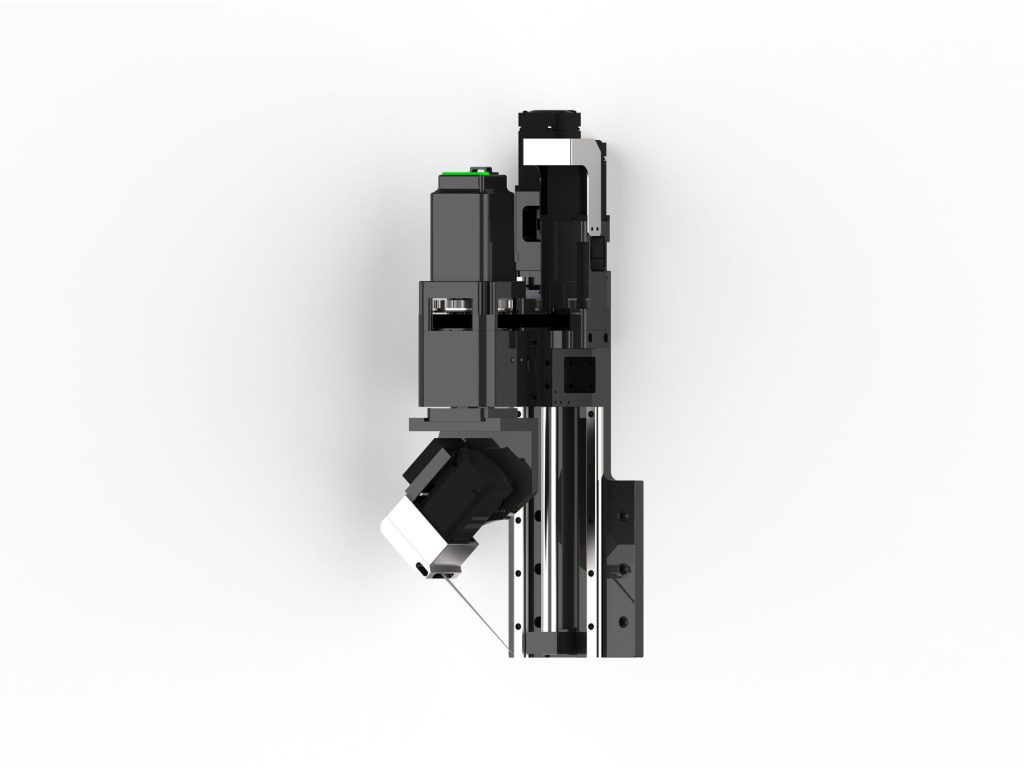
- Equipped with a down-suction worktable with suction ≥2000Pa to ensure timely dust discharge.
- An up-suction dust hood is added near the cutting head to form double protection.
- The dust removal system should be equipped with anti-static filter cartridges, with a filtration efficiency of ≥99.9%.
- Operators must wear dust masks and anti-static clothing.
- The equipment must be properly grounded to prevent static electricity buildup.
Equipment Maintenance and Blade Management
The maintenance of carbon fiber cutting machines focuses on the blades and the dust removal system:
- Check blade wear every shift and replace in time. Diamond-coated blades last about 200-300 hours, and carbide blades about 50-100 hours.
- Regularly clean the dust removal filter cartridges; replacement every 500 hours is recommended.
- Check the guide rails and transmission components, and lubricate once a month.
- Calibrate cutting accuracy once a quarter.
Practical Application Case
An aerospace composite materials factory used an oscillating knife cutting machine to cut carbon fiber prepreg. The material was T300 grade with a single-layer thickness of 0.125mm, cutting 8 layers at a time. By optimizing parameters: oscillation frequency 3500 times/min, feed speed 35m/min, and a diamond-coated wavy-edge blade, the cutting accuracy reached ±0.08mm with no burrs at the cut edges, improving efficiency by 5 times compared to manual cutting. The dust removal system adopted both downdraft and updraft suction, keeping the dust concentration in the working area below 0.1mg/m³, in compliance with occupational health standards.
Summary
The selection of a carbon fiber cutting machine requires comprehensive consideration of factors such as cutting accuracy, speed, dust removal, and safety. The oscillating knife cutting machine, due to its high precision, no thermal effect, and adaptability to multi-layer cutting, has become the preferred choice for cutting carbon fiber prepreg and thin sheets. By optimizing process parameters and strengthening maintenance, cutting quality and production efficiency can be significantly improved. When purchasing, it is recommended to conduct on-site trial cutting to verify the equipment’s adaptability to specific carbon fiber materials.