
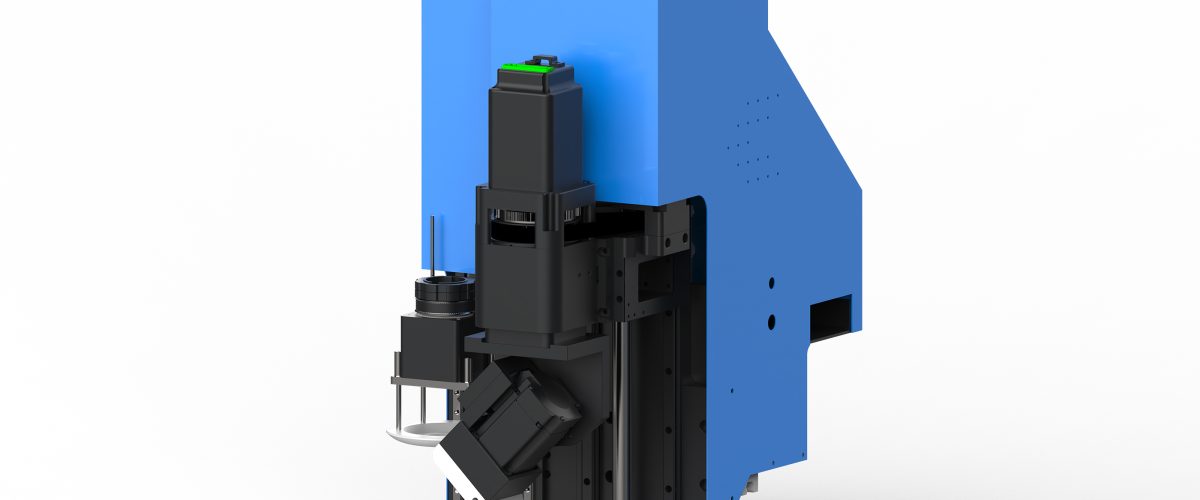
Sofa Cutting Machine: Key Equipment for Improving Furniture Production Efficiency
In the sofa manufacturing process, the cutting precision and efficiency of soft materials such as fabric, leather, and foam directly affect product quality and delivery times. Traditional manual cutting relies on skilled workers and suffers from unstable precision, large material waste, and low efficiency. The oscillating knife cutting machine (also known as a sofa cutting machine) performs cold cutting of flexible materials through a high-frequency vibrating blade, with no thermal effect and no smoke, and has become the core equipment of modern sofa production lines. This article provides practical guidance on selection parameters, process optimization, common problems, and other aspects.
I. Core Selection Parameters of Sofa Cutting Machines
When purchasing a sofa cutting machine, focus on the following parameters to ensure the equipment matches production needs:
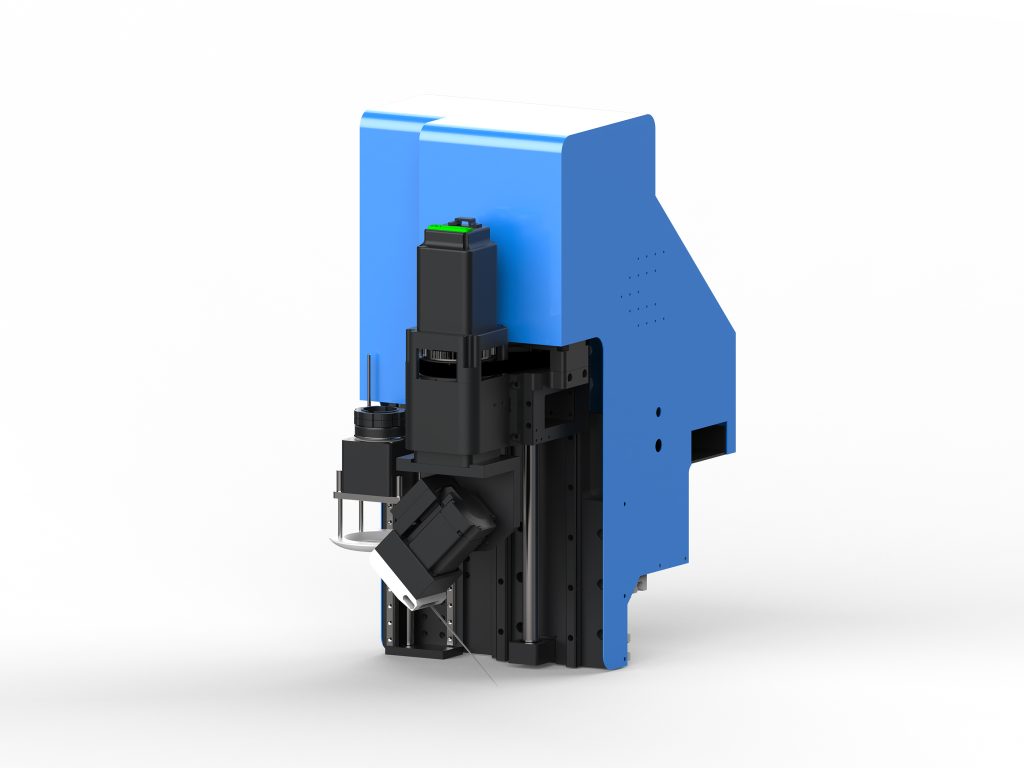
- Cutting working area: Common specifications are 1600mm×2500mm, 2100mm×3100mm, etc. The working area should be larger than the largest cut piece, with an edge margin reserved. For example, sofa seat cushion fabric usually does not exceed 2000mm×1500mm, so choosing a 1600mm×2500mm working area can meet most orders.
- Cutting thickness: The cutting thickness range of an oscillating knife cutting machine is generally 1-50mm (depending on the material). For sponge cutting, a long-blade model should be selected, with a maximum thickness of over 100mm; fabric cutting is usually within 20mm in thickness.
- Cutting accuracy: Repeat positioning accuracy should be ≤0.1mm, cutting accuracy ≤0.5mm. High-precision models use servo motors and precision guide rails to ensure smooth edges on curved cuts.
- Cutting speed: Idle speed can reach over 1000mm/s, while actual cutting speed depends on the material and pattern complexity, typically 200-600mm/s. Excessive speed may result in a rough cut surface.
- Vacuum adsorption system: Used to secure flexible materials, with adjustable adsorption force. For highly breathable fabrics, a high-power vacuum pump (e.g., 7.5kW or above) should be selected to ensure the material does not shift during cutting.
- Control system: It should support common CAD formats (DXF, DWG, PLT, etc.) and have automatic nesting and path optimization functions. The operation interface should be simple, supporting touch screens and offline programming.
II. Key points of cutting processes for different materials
1. Fabrics (textiles, fleece)
Fabric cutting requires attention to edge fraying and deformation. It is recommended to use an oscillating knife with a round knife or pointed knife, with a rotation speed set at 8000-12000rpm and a feed speed of 200-400mm/s. For slippery materials, a hot-melt film can be applied in advance or a felt pad with stronger adsorption can be used. After cutting, promptly clean the fibers on the blade to prevent affecting subsequent cutting accuracy.
2. Leather (genuine leather, synthetic leather)
Leather cutting requires neat edges with no burnt edges. The oscillating knife cold cutting does not produce heat damage, making it suitable for leather processing. Recommended parameters: blade angle 20°-30°, oscillation frequency 10,000-15,000 times/min, cutting speed 300-500mm/s. Pay attention to the grain direction of the leather; directionality must be considered during nesting to avoid waste. For thick leather (>3mm), the speed can be reduced to 200mm/s to ensure a smooth cut.
3. Sponge
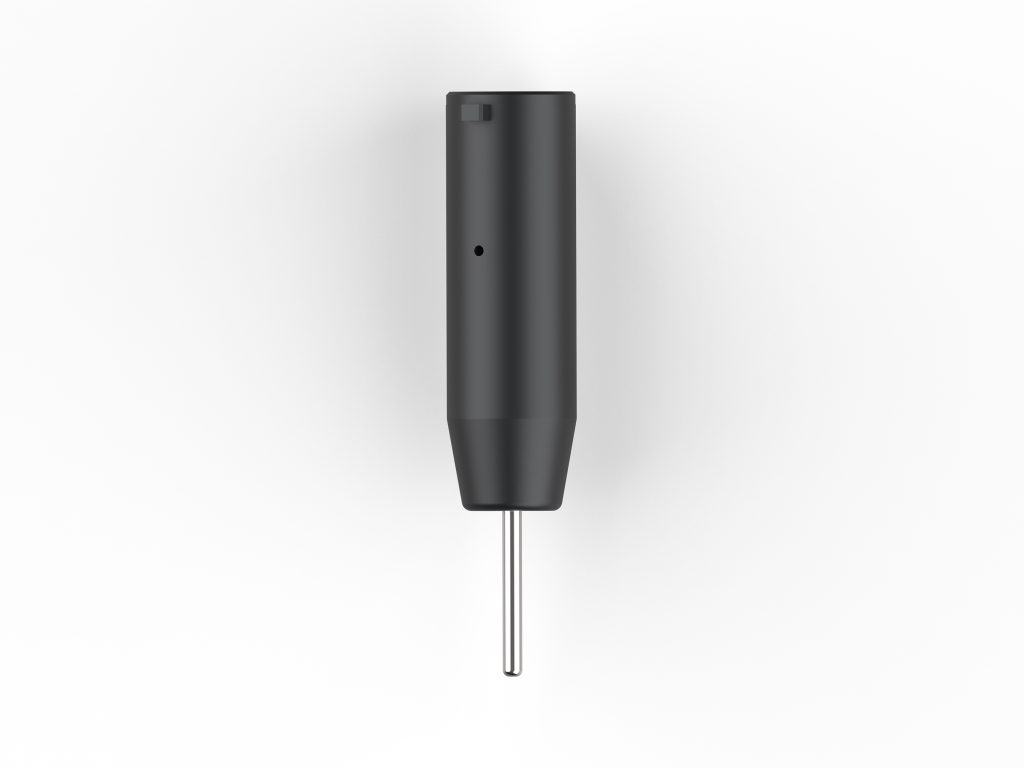
Sponge cutting requires long blades (such as 300mm or more) and high-speed oscillation (15,000-20,000 times/minute), and the cutting speed can be increased to 600-800mm/s. Due to the strong compressibility of sponge, vacuum adsorption needs to be paired with dedicated fixtures, or low-temperature freezing followed by cutting can be used (suitable for high-precision requirements). Cutting generates a large amount of dust, so the equipment should be equipped with a dust removal device.
III. Practical Tips for Improving Cutting Efficiency
- Optimize nesting: Use automatic nesting software and set the spacing between parts to 2-5mm, which can increase material utilization by 5%-15%. For batch orders, materials of the same type can be nested together.
- Layered cutting: For thin fabrics, multiple layers can be stacked for cutting (requires vacuum adsorption fixation), with the number of layers generally not exceeding 10 and total thickness controlled within 20mm, improving efficiency several times over.
- Blade selection: Choose blade material based on material hardness—use high-speed steel blades for cutting sponge, carbide blades for cutting leather, and coated blades for cutting fabric to reduce wear.
- Regular maintenance: Clean guide rails and transmission components weekly, check blade wear monthly (replace when wear exceeds 0.2mm), and calibrate the levelness of the vacuum adsorption platform quarterly.
IV. Common Problems and Solutions
1. Rough cutting edges
The cause may be a dull blade, too low a speed, or too fast a feed rate. Solution: Replace the blade, increase the speed by 10%-20%, or reduce the feed rate to below 200mm/s.
2. Material displacement
Check whether the vacuum adsorption force is sufficient, clean debris from the adsorption platform, and ensure the material is flat and properly adhered. For breathable materials, a film can be covered to assist adsorption.
3. Decreased cutting accuracy
Check the tension of the drive belt and the lubrication of the guide rail, and recalibrate the origin. If the problem persists, check the servo motor parameters or replace worn bearings.
V. Equipment maintenance and safety specifications
Before starting the machine every day, check whether the blade is loose and whether the vacuum pump oil level is normal; during operation, hands must never be near the cutting area, and the equipment should be equipped with an emergency stop button and a safety light curtain. During long-term shutdown, clean the blade and apply anti-rust oil, and release the cylinder pressure. It is recommended that a professional perform comprehensive maintenance every six months, including replacing lubricating grease and checking electrical circuits.
Conclusion
The selection and process optimization of sofa cutting machines need to be combined with actual material characteristics and production scale. By reasonably setting parameters, optimizing nesting and regular maintenance, cutting quality and efficiency can be significantly improved, and material waste reduced. It is recommended that enterprises provide material samples for trial cutting before procurement to verify equipment performance.