
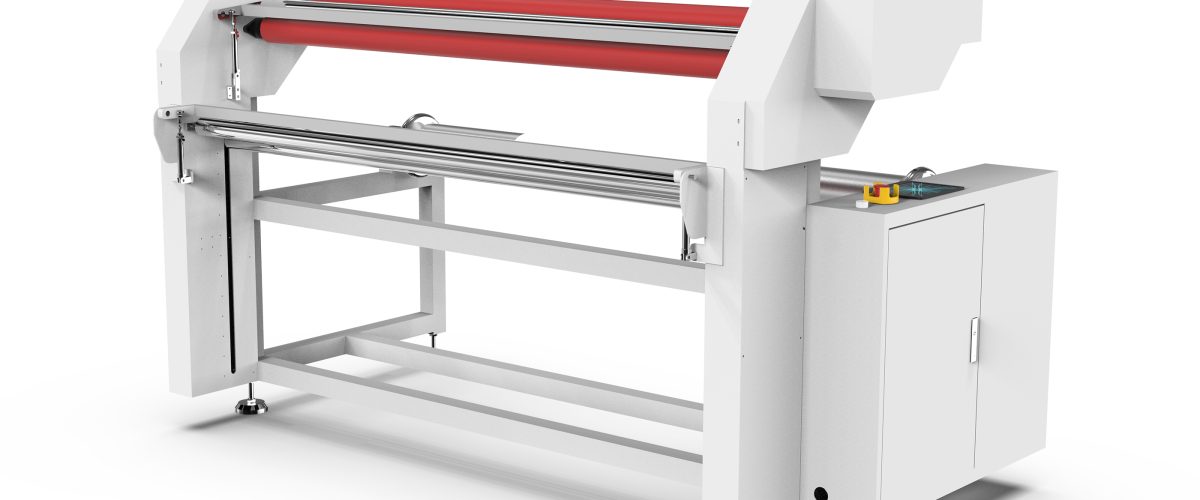
Corrugated Cardboard Sample Cutting Machine: Full Process Analysis from Selection to Efficient Application
The corrugated cardboard sample cutting machine is core equipment for packaging companies to achieve rapid sampling and small-batch production. Compared with laser cutting or traditional die cutting, CNC oscillating knife cutting machines have advantages in corrugated cardboard processing such as no smoke or dust, no burnt edges, and low cost. Based on actual production experience, this article systematically outlines equipment selection, operating points, and maintenance strategies to help you maximize equipment value.
I. Core Types and Application Scenarios of Corrugated Cardboard Sample Cutting Machines
According to cutting principles, mainstream equipment is divided into three categories:
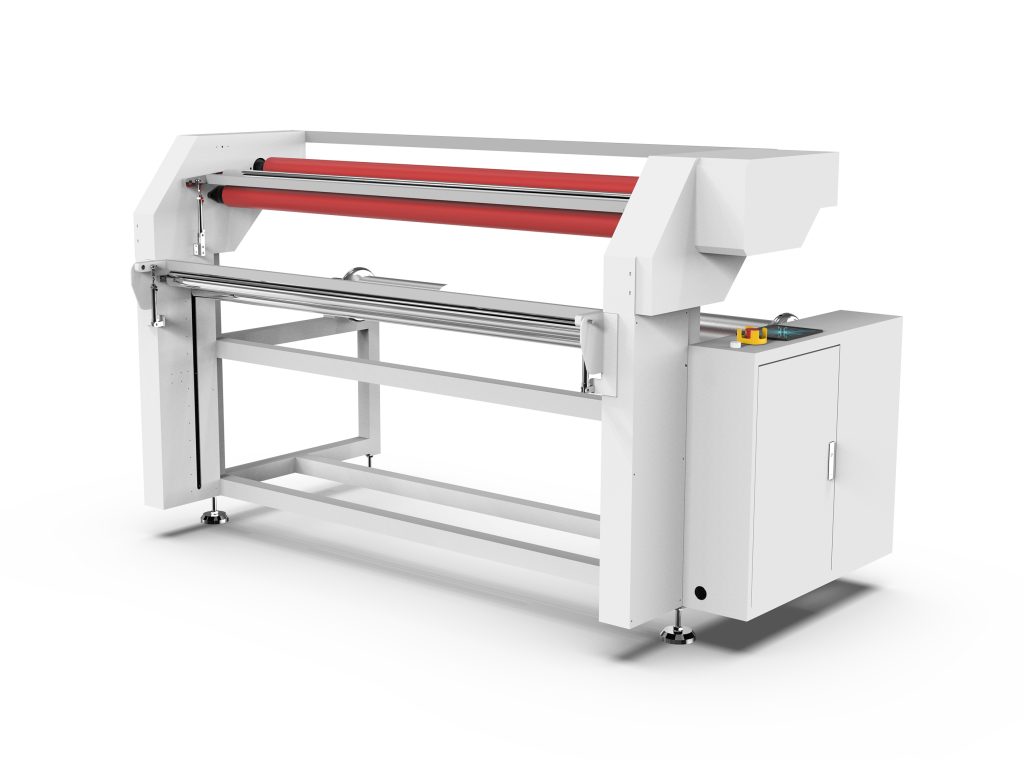
- Flatbed cutting machine: The worktable is fixed, and the tool moves in the X-Y directions. Suitable for precise sampling of single sheets of corrugated cardboard (thickness 1-10mm), with repeat positioning accuracy up to ±0.1mm. Common table sizes include 1300×2500mm and 1600×3000mm, suitable for carton factories and display stand production.
- Roll-fed cutting machine: Equipped with feed rollers, it can continuously process rolled corrugated cardboard, with efficiency 30%-50% higher than flatbed machines, suitable for producing large quantities of die-cut samples with the same pattern.
- Hybrid type (flatbed + roll-fed): Balances flexibility and efficiency, but has a higher price, suitable for enterprises with many order types and medium batch sizes.
When selecting, pay attention to: maximum cutting thickness (corrugated cardboard usually ≤15mm), tool types (oscillating knife, circular knife, creasing wheel), control system (whether it supports direct import of DXF/PLT), and the number of vacuum adsorption zones (the more zones, the more stable the fixation of small-sized samples).
II. Key Parameter Settings and Operating Points
2.1 Tool Selection and Parameters
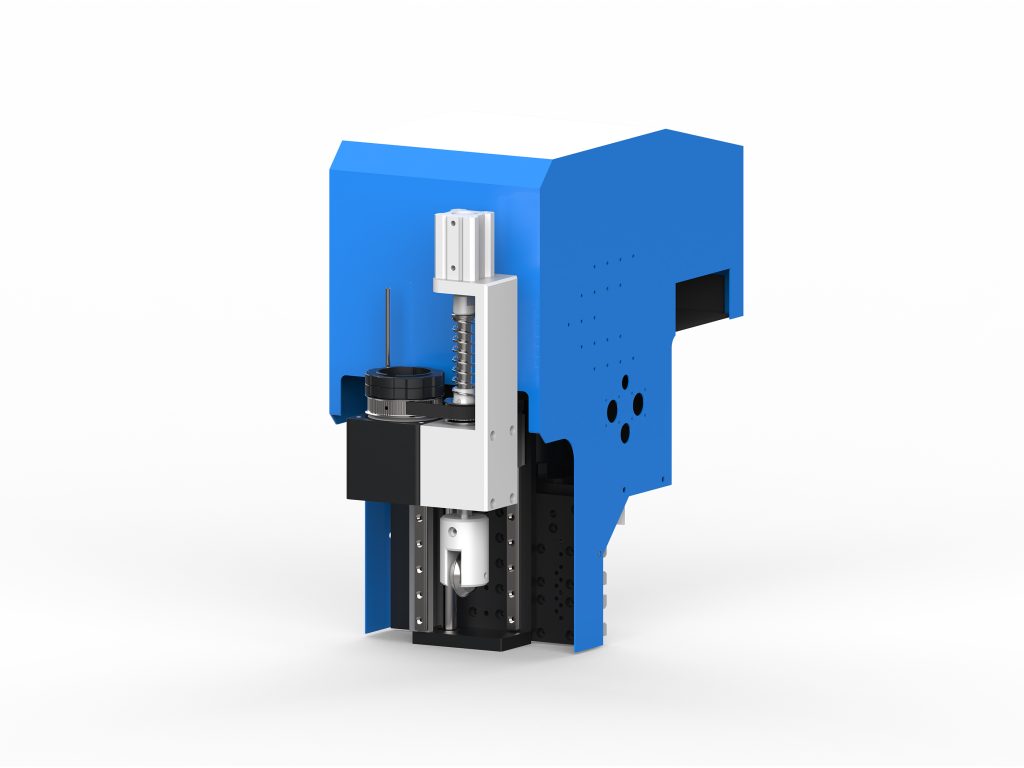
Corrugated cardboard consists of face paper, fluting, and bottom paper, and is prone to burrs or crushing during cutting. It is recommended to use an oscillating knife (frequency 8000-12000 times/min) with a tungsten carbide blade, with a blade angle of 30°-45°. Recommended cutting speed: 800-1200mm/s for three-layer corrugated cardboard (thickness 3-5mm); 500-800mm/s for five-layer (thickness 6-8mm); 300-500mm/s for seven-layer (thickness 9-12mm). Too fast a speed will cause tearing at the cut, while too slow will cause burning or adhesion.
2.2 Vacuum Adsorption and Fixation
Corrugated cardboard has high air permeability, so ensure the vacuum adsorption force is ≥0.6MPa. For small-sized samples (such as 100×100mm), local adsorption zones should be activated, and masking tape should be used to assist in sealing the edges. If the cardboard is warped, pre-press it first or use double-sided tape for fixation.
2.3 Creasing and Cutting Sequence
The pressure of the creasing wheel needs to be adjusted according to cardboard thickness: 0.2-0.3MPa for three-layer cardboard, 0.4-0.5MPa for five-layer. The cutting sequence should follow “inside first, outside later; small first, large later” to avoid displacement caused by changes in adsorption force. For samples that need folding, control the creasing depth at 30%-40% of the cardboard thickness.
III. Common Problems and Solutions
3.1 Burrs or Delamination at the Cut
Causes: worn blade, excessive speed, insufficient adsorption. Countermeasures: inspect the blade every 200-300 meters of cutting and replace it promptly when worn; reduce speed by 10%-20%; increase adsorption zones or use auxiliary pressure strips.
3.2 Dimensional Deviation Exceeding Tolerance
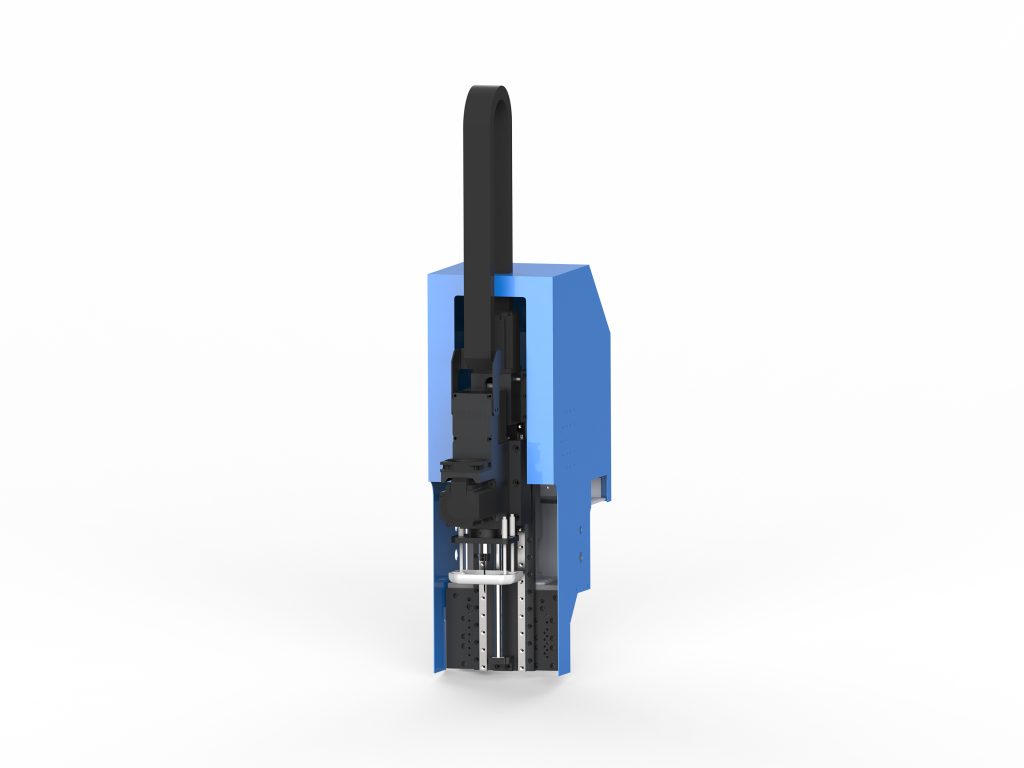
Causes: loose belt, worn guide rails, or incorrect file scale. Countermeasures: calibrate X-Y axis positioning accuracy once a month (test with a standard circle); check whether the file unit is millimeters; tighten the timing belt (deflection ≤5mm).
3.3 Unclear Crease Lines or Cracked Lines
Causes: insufficient pressure or worn creasing wheel. Countermeasures: gradually increase pressure until a clear groove appears on the cardboard without cracking; replace the creasing wheel (service life about 500,000 meters); for high-grammage face paper, preheat to 40-50°C before creasing.
IV. Maintenance and Efficiency Improvement
4.1 Daily Maintenance Checklist
- Each shift: clean paper scraps from the table and check whether the vacuum pipeline is blocked.
- Weekly: clean the guide rails and apply lithium-based grease, and check blade clamping force.
- Monthly: calibrate the origin sensor, test the emergency stop function, and check belt tension.
- Quarterly: replace the vacuum pump filter and check air circuit sealing.
4.2 Efficiency Improvement Tips
Turn commonly used carton structures (such as 0201, A1, etc.) into parametric templates to reduce drawing time; use layout software to nest multiple samples to improve material utilization; for repeat orders, save tool paths and parameter presets. Actual case: a carton factory reduced sampling time from an average of 45 minutes per piece to 22 minutes per piece by optimizing layout and preset parameters.
V. Selection Recommendations and Return on Investment
It is recommended to choose based on average daily sampling volume: for ≤20 pieces per day, choose an entry-level flatbed model (about 80,000-120,000 RMB); for 20-50 pieces, choose a mid-range flatbed model with automatic tool change (150,000-250,000 RMB); for >50 pieces or when roll material processing is required, choose a hybrid type (over 300,000 RMB). In terms of return on investment, one sample cutting machine can replace 2-3 skilled sampling workers. Based on 5,000 samples per year, the cost can be recovered in about 12-18 months. Focus on the manufacturer’s after-sales response time (recommended ≤24 hours) and software upgrade support.
The value of a corrugated cardboard sample cutting machine lies not only in replacing manual labor, but also in enabling rapid verification between design and production. Reasonable selection, precise operation, and regular maintenance can keep the equipment running stably over the long term and create sustained competitiveness for packaging companies.