
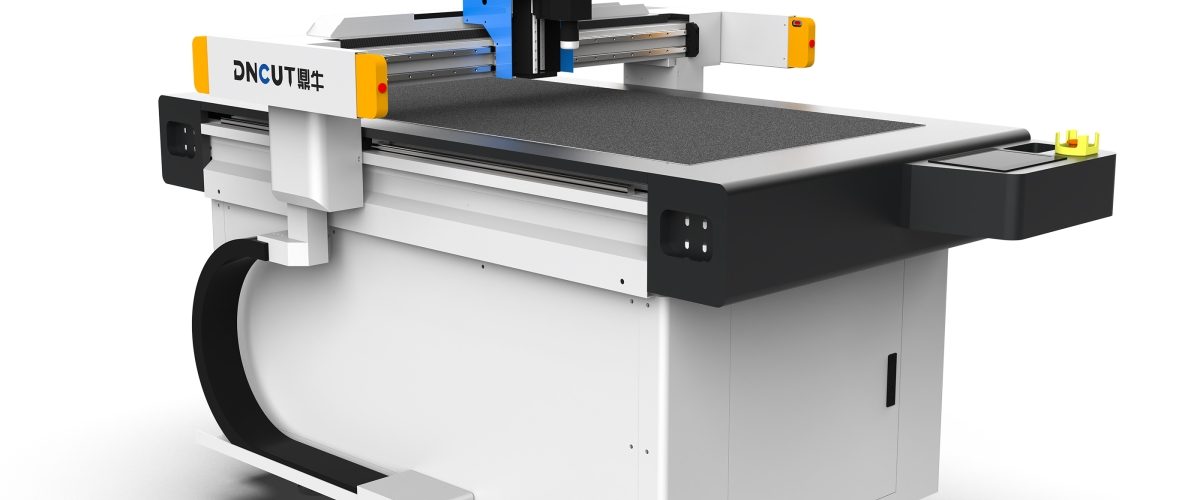
Fabric Cutting Machine for Sofas: Key Equipment for Improving Furniture Production Efficiency
In the sofa manufacturing process, fabric cutting is a core step that affects cost, quality, and delivery cycles. Traditional manual cutting relies on skilled workers, but faces problems such as low efficiency, unstable precision, and large material waste. With the development of CNC technology, the sofa fabric cutting machine (also known as oscillating knife cutting machine, flexible material cutting machine) has become standard equipment for large-scale production. This article provides a practical analysis of equipment selection, technical parameters, operating points, and maintenance, offering decision-making reference for furniture enterprises.
I. Core Types and Working Principles of Sofa Fabric Cutting Machines
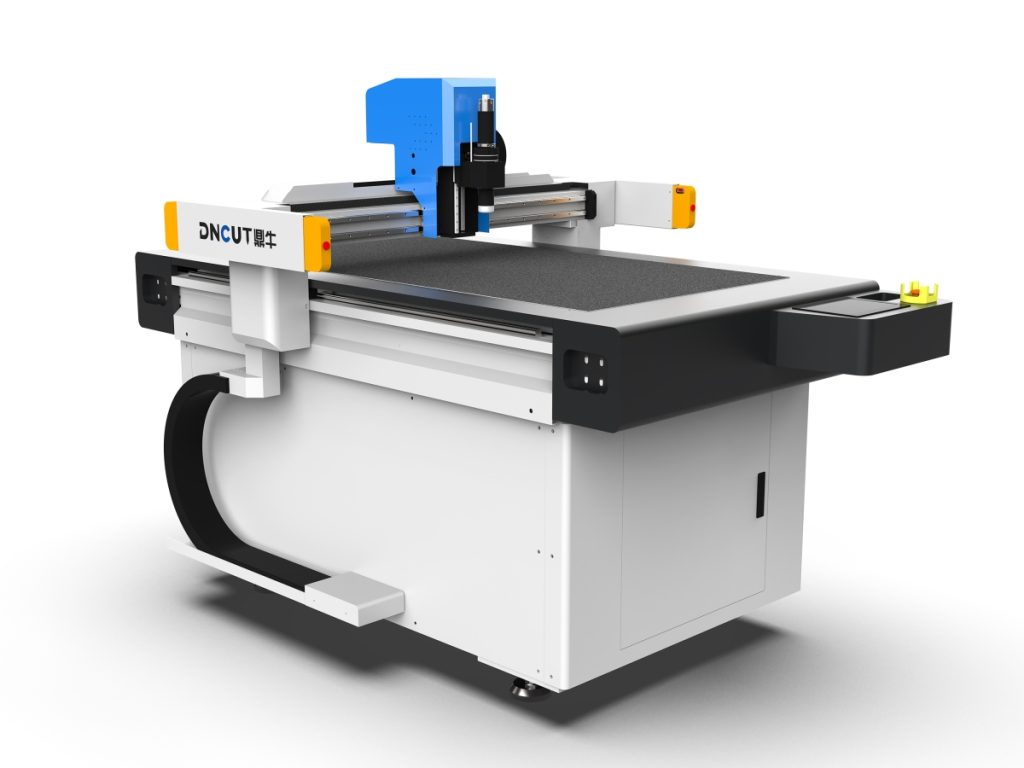
Sofa fabric cutting machines mainly use oscillating knife cutting technology, performing cold cutting on flexible materials through high-frequency vibrating blades, avoiding burnt edges and odors produced by laser cutting. According to the number of cutting heads and the worktable structure, common types include:
- Single-head cutting machine: Suitable for small-batch, multi-variety production, with lower investment cost and high flexibility.
- Multi-head cutting machine: Equipped with 2-4 independent cutting heads, capable of cutting different cut pieces simultaneously, improving efficiency by 50%-200%, suitable for large-batch orders.
- Flatbed and roll-fed types: Flatbed type is suitable for fabric with cut pieces already laid out; roll-fed type can be paired with an automatic feeding system to achieve continuous cutting.
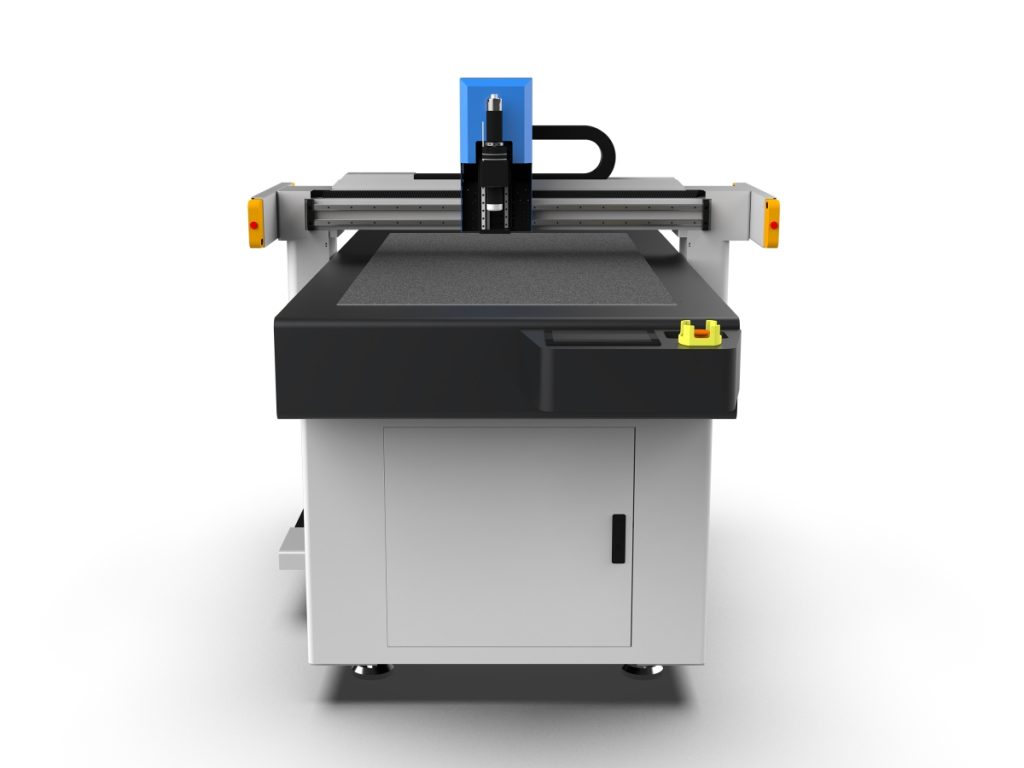
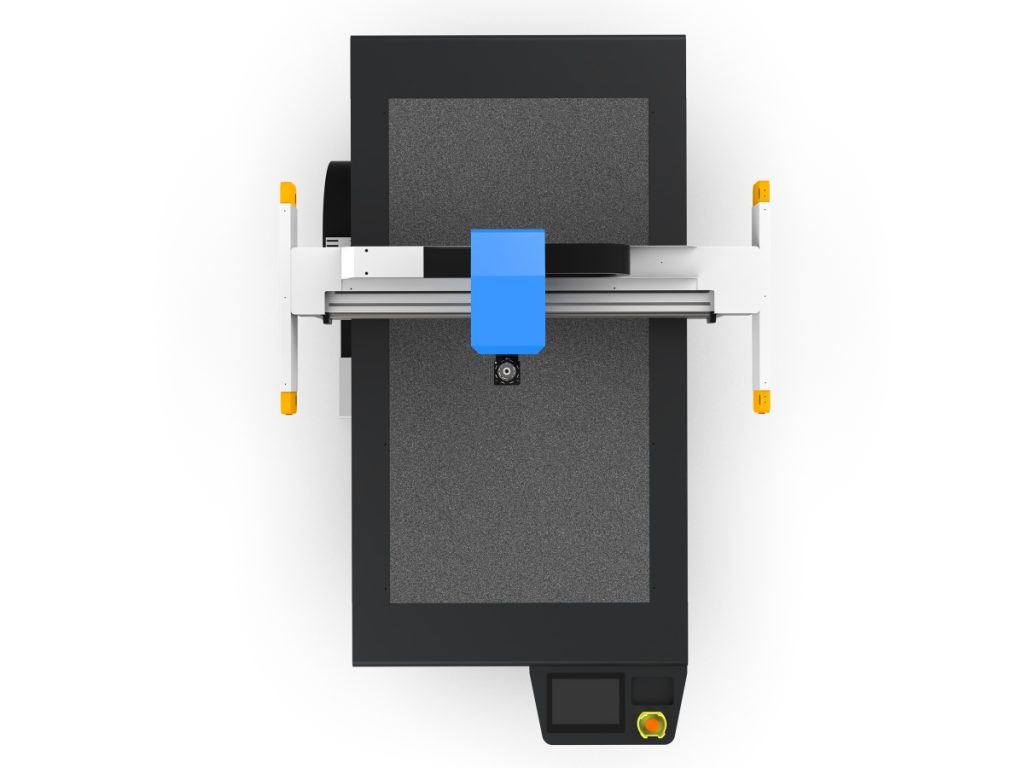
Working principle: CAD/CAM software generates the cutting path, and the control system drives the knife head to move along the X/Y axes while the blade vibrates up and down at high frequency (typically 3000-8000 times/minute). A vacuum adsorption table holds the fabric in place to ensure cutting accuracy.
II. Key Parameters for Model Selection and Practical Recommendations
When purchasing a sofa fabric cutting machine, you need to consider your own product characteristics and production capacity requirements, focusing on the following parameters:
1. Effective Cutting Size
Common table sizes are 1600mm×2500mm, 2000mm×3000mm, etc. It is recommended to choose a size with 10%-20% margin over the largest cut piece size. For example, the main sofa fabric cut pieces are often over 2 meters in length, so a table of 2500mm or more should be given priority.
2. Cutting thickness and material adaptability
The oscillating knife cutting machine can handle flexible materials with a thickness of 0.5-50mm, including sofa fabric, leather, sponge composite fabric, etc. It is necessary to confirm whether the maximum cutting thickness of the equipment covers the thickest material (for example, sofa fabric with a sponge layer can reach 30mm).
3. Cutting accuracy and repeat positioning accuracy
High-precision models can achieve a positioning accuracy of ±0.1mm and a repeat positioning accuracy of ±0.05mm. For sofa fabrics with splicing requirements, it is recommended to choose equipment with an accuracy within ±0.2mm.
4. Vacuum adsorption system
Suction force directly affects cutting stability. The zoned suction function can independently control different areas, saving energy and adapting to cut pieces of different sizes. The vacuum pump power is usually 5.5-11kW, and the workshop power supply capacity must be ensured.
5. Software and degree of automation
The equipment should be compatible with mainstream CAD formats (DXF, PLT, etc.) and support automatic nesting and path optimization. The automatic feeding system can reduce manual fabric-spreading time and is suitable for mass production of rolled fabrics.
6. Blades and maintenance costs
Oscillating blades are consumables, and their service life depends on the material type and frequency of use. Carbide blades can last 3-5 times longer than ordinary steel blades, but their unit price is higher. The cost per cut needs to be comprehensively evaluated.
III. Operating Procedure and Efficiency Improvement Tips
A correct operating procedure can significantly extend equipment lifespan and ensure cutting quality:
- Material spreading: Ensure the fabric is flat and wrinkle-free. When spreading multiple layers, separate each layer with thin paper to prevent adhesion during vacuum suction. The spreading thickness must not exceed the equipment’s maximum cutting thickness.
- Vacuum suction: Turn on the vacuum pump and start cutting only after the material is firmly held. For highly permeable sofa fabrics, cover with a layer of plastic film to enhance the suction effect.
- Parameter settings: Adjust the blade oscillation frequency according to the material (use high frequency for hard materials and low frequency for soft materials) and the feed speed (typically 200-800mm/s).
- Cutting monitoring: After cutting the first piece, check dimensional accuracy and promptly correct path compensation. Perform regular spot checks during batch cutting.
- Unloading and marking: After cutting is complete, turn off the vacuum adsorption and carefully remove the cut pieces to avoid stretching and deformation. The equipment’s marking function can be used to mark the cut piece numbers.
Efficiency improvement tips: Use automatic nesting software to optimize layout, which can increase material utilization by 5%-15%; multi-head equipment can cut different pieces in parallel, reducing tool change time; establish standardized spreading and unloading processes to reduce auxiliary time.
IV. Common Problems and Solutions
1. Frayed or melted edges on cut pieces
Cause: Blade dulling or vibration frequency too low. Solution: Regularly check blade wear and replace in time; for easily fused materials (such as polyester-containing sofa fabric), appropriately increase vibration frequency and reduce feed speed.
2. Cutting size deviation
Cause: Fabric not firmly adsorbed, blade bending, or worn transmission components. Solution: Check the sealing performance of the vacuum adsorption system; calibrate blade verticality; regularly lubricate the guide rails and lead screws.
3. Insufficient adsorption force
Cause: Aging table sealing strip or vacuum pump failure. Solution: Replace the sealing strip; check the vacuum pump oil level and filter; ensure the fabric covers the entire adsorption area.
4. Blade breakage
Cause: Feed speed too fast or hard objects in the material. Solution: Reduce the feed speed; check the fabric for residual hard objects such as pins and zippers before cutting.
V. Maintenance and Safety Guidelines
Regular maintenance is key to ensuring long-term stable operation of the equipment:
- Daily: Clean the tabletop and knife head, check whether the blade is loose, and clear debris from the vacuum adsorption tabletop.
- Weekly: Check the lubrication of the guide rails, clean the vacuum pump filter, and check the airtightness of the air circuit.
- Monthly: Calibrate equipment accuracy (using a standard circle or square test), check drive belt tension, replace worn blades.
- Quarterly: Perform a comprehensive inspection of the electrical system, replace vacuum pump oil (if an oil-type pump), tighten mechanical connections.
Safety regulations: Do not put hands into the cutting area during operation; the protective cover must be closed while the equipment is running; wear cut-resistant gloves when replacing blades; ensure good grounding to avoid static buildup.
VI. Return on Investment Analysis
Taking a single-head sofa fabric cutting machine with a medium configuration (working area 2000mm×3000mm, accuracy ±0.2mm) as an example, the investment is about 150,000-250,000 yuan. Compared with manual cutting, the efficiency is increased by 3-5 times, and the material utilization rate is improved by more than 10%. Based on an annual output of 100,000 meters of sofa fabric, it can save 200,000-300,000 yuan in labor costs and 150,000-200,000 yuan in material costs each year, and the investment payback period is usually 6-12 months. For multi-variety small-batch production, the rapid changeover capability of the flexible cutting system is even more valuable.
Conclusion
The selection of a sofa fabric cutting machine requires comprehensive consideration of material characteristics, production capacity requirements, and precision requirements. Enterprises are advised to conduct on-site trial cutting to verify the equipment’s adaptability to specific fabrics. Correct use and maintenance can not only extend the service life of the equipment but also continuously create benefits for the enterprise. With the development of intelligent nesting and automatic feeding technologies, sofa fabric cutting machines are evolving toward greater efficiency and intelligence. Furniture enterprises should choose the most suitable automation solution based on their own stage of development.