
Sofa Fabric Cutting Machine: Key Equipment for Improving Furniture Manufacturing Efficiency
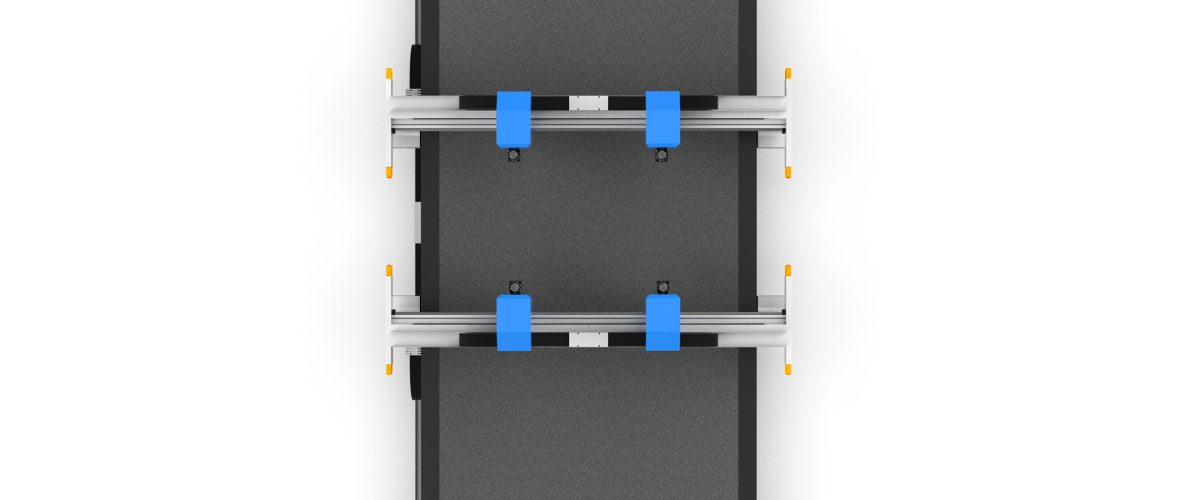
In the sofa manufacturing process, fabric cutting is an important link that affects product quality and production efficiency. Traditional manual cutting relies on skilled workers and has problems such as unstable precision, large material waste, and low production efficiency. Sofa fabric cutting machines (usually using oscillating knife or laser technology) significantly improve cutting precision and material utilization through automated and digital control. This article will deeply discuss the selection, use, and maintenance of sofa fabric cutting machines, providing practical reference for furniture manufacturers.
I. Main Types and Working Principles of Sofa Fabric Cutting Machines
According to the cutting principle, sofa fabric cutting machines are mainly divided into two categories: oscillating knife cutting machines and laser cutting machines. Oscillating knife cutting machines perform cold cutting through high-frequency vibrating blades and are suitable for most sofa fabrics, such as cotton-linen, velvet, leather, etc.; laser cutting machines use high-energy laser beams to melt or vaporize materials, and the cutting edges are automatically sealed, but they may produce scorch marks and odors, and are mostly used for chemical fiber fabrics.
1. Oscillating Knife Cutting Machine
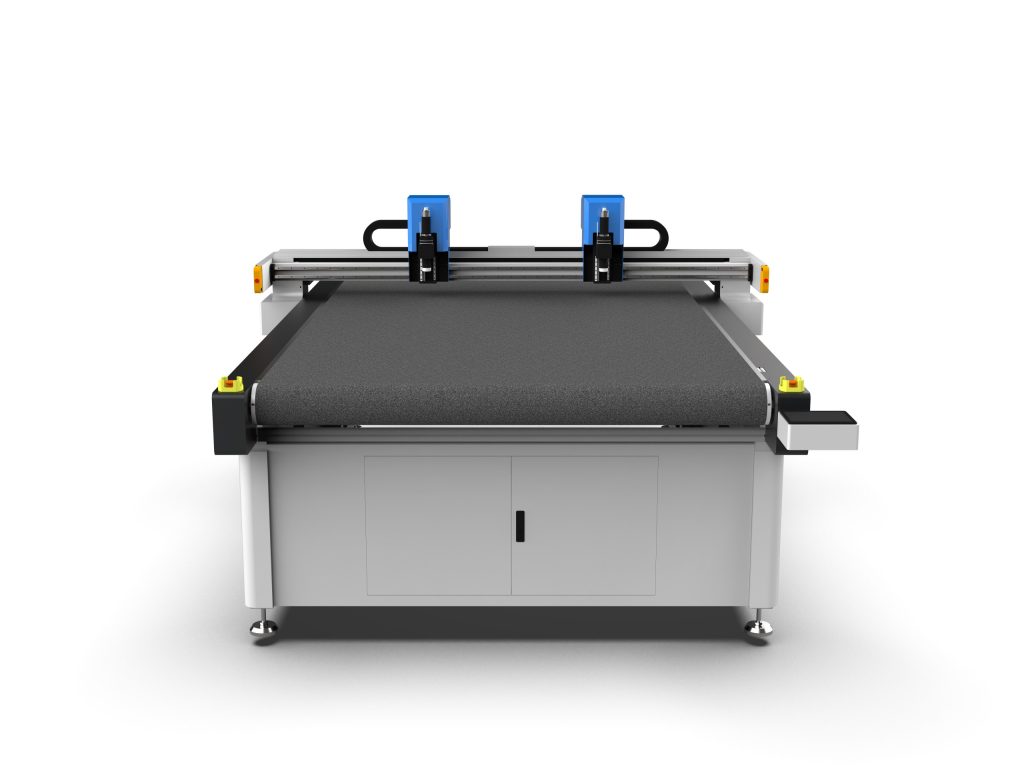
The oscillating knife cutting machine is currently the mainstream equipment for sofa fabric cutting. Its core component is the oscillating knife head. The blade vibrates up and down at a frequency of thousands to tens of thousands of times per minute, and with the computer control system, it cuts according to preset graphics. Oscillating knife cutting is cold cutting, does not change material properties, has flat cuts, and no burned edges, and is especially suitable for simultaneous cutting of multiple layers of fabric.
2. Laser Cutting Machine
Laser cutting machines perform non-contact cutting of materials through focused laser beams. The cutting speed is fast, the precision is high, and complex patterns can be cut. However, laser cutting generates high temperatures at the cut, causing chemical fiber fabrics to melt and seal at the edges. For natural fibers, it may produce scorched edges, and smoke and dust are generated during cutting, requiring an exhaust system. Therefore, laser cutting is more suitable for chemical fiber fabrics or thin fabrics that require edge sealing.
II. Key Selection Parameters and Considerations
When purchasing a sofa fabric cutting machine, factors such as production needs, material characteristics, and equipment performance must be comprehensively considered. The following are key parameters:
1. Cutting Working Area
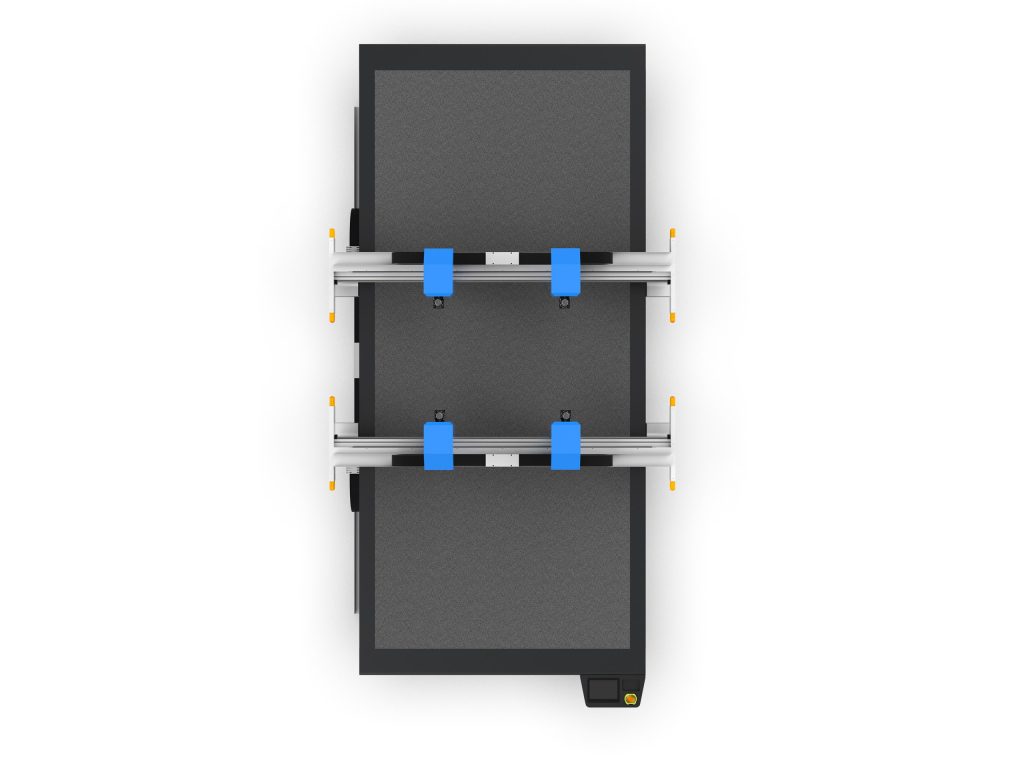
The cutting working area determines the size of fabric that can be cut in a single pass. Common working areas include 1600mm×2500mm, 2100mm×3000mm, etc. The choice should be determined according to the common sizes and layout methods of sofa fabrics. For example, for enterprises producing standard sofa covers in batches, it is recommended to choose a working area at least 200mm larger than the largest cut piece size to leave room for clamping and tool travel.
2. Cutting Thickness and Layers
The cutting capability of an oscillating knife cutting machine is usually expressed by single-layer thickness and maximum cutting layers. For sofa fabrics, common thicknesses are 1-5mm, and the equipment should be able to cut at least 10 layers of fabric (depending on the material). When purchasing, actual fabric samples need to be provided for trial cutting to verify equipment capability.
3. Cutting Precision
Cutting precision directly affects the dimensional accuracy of cut pieces. High-precision equipment can achieve repeat positioning accuracy of ±0.1mm and cutting precision within ±0.5mm. For sofa fabrics with pattern matching requirements, attention should also be paid to the equipment’s visual recognition system to ensure accurate pattern splicing.
4. Control System and Software
Modern sofa fabric cutting machines are usually equipped with CNC systems and support functions such as CAD file import, automatic nesting, and path optimization. The software should be easy to operate, support common file formats (such as DXF, PLT, AI, etc.), and have automatic marker-making functions to improve material utilization. Some high-end equipment also supports automatic identification of fabric defects and optimized nesting.
5. Production Efficiency
Production efficiency is related to factors such as cutting speed, acceleration, and tool change time. The cutting speed of oscillating knife machines is usually adjustable from 0-2000mm/s, and the actual production efficiency needs to be evaluated in combination with fabric characteristics and graphic complexity. For example, cutting a standard sofa cover cut piece (about 2m×1.5m) takes about 30-60 seconds, depending on the complexity of the graphics.
6. Other Functions
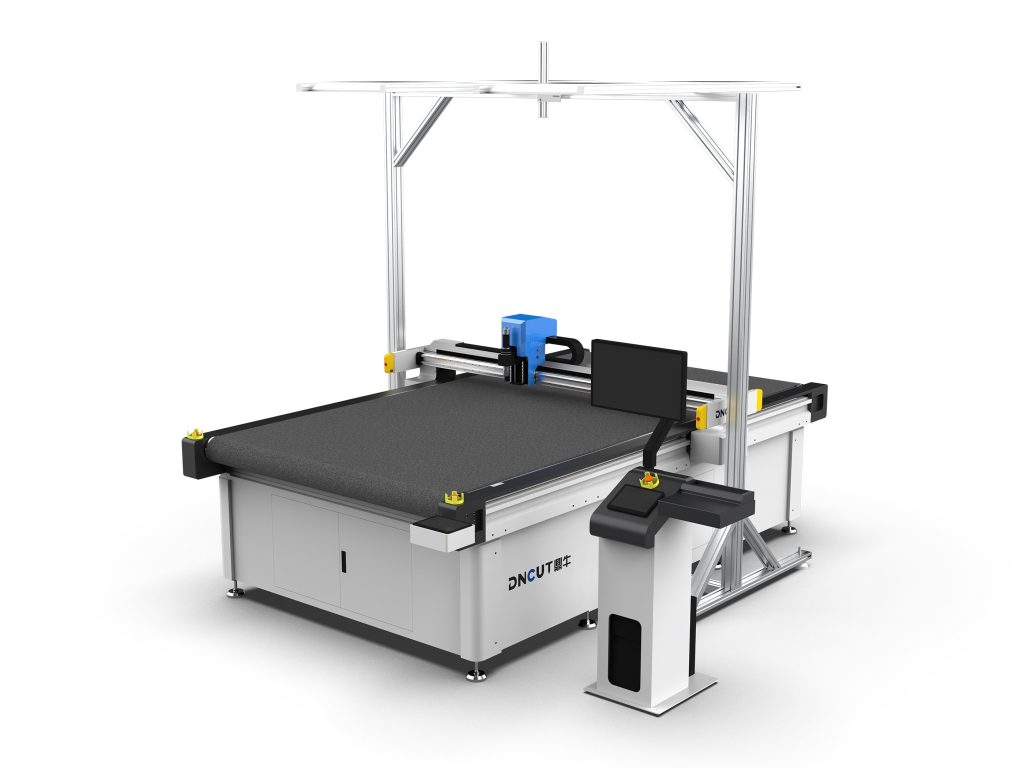
According to needs, the following functions can also be considered: automatic feeding system (reducing manual loading time), adsorption fixing device (ensuring fabric flatness), multi-tool configuration (simultaneous cutting and marking), dust removal device (keeping the working environment clean), etc.
III. Operating Techniques and Best Practices
Correct operation of the sofa fabric cutting machine can extend equipment life and ensure cutting quality. The following are practical techniques:
1. Fabric Pretreatment
Before cutting, ensure the fabric is flat and wrinkle-free. For fabrics that easily curl at the edges, pre-shrinking treatment or interlining can be used first. When cutting multiple layers, fixtures or a vacuum adsorption platform should be used to fix the fabric and prevent sliding between layers.
2. Parameter Settings
Adjust vibration frequency, cutting speed, and blade pressure according to the fabric type. For example, for thick velvet, it is recommended to reduce the vibration frequency (such as 8000 times/min) and increase blade pressure; for thin cotton-linen, the frequency can be increased (such as 12000 times/min) and the pressure reduced. When cutting a new material for the first time, it is recommended to perform a small sample trial cut first and record the optimal parameters.
3. Blade Selection and Replacement
Different fabrics require different blades: standard oscillating blades for ordinary fabrics; sharp blades for leather; wear-resistant blades for fabrics containing hard materials such as glass fiber. Blades should be replaced promptly after wear, usually once every 500-1000 meters of fabric cut, depending on the material.
4. Nesting Optimization
Using the automatic nesting function of the cutting software can significantly improve material utilization. It is recommended to mix large and small cut pieces in nesting and consider the fabric grain direction. For directional fabrics (such as velvet), ensure that all cut pieces are oriented in the same direction.
IV. Maintenance and Care
Regular maintenance can ensure long-term stable operation of the equipment:
- Daily cleaning: Clean dust and fabric fibers from the table and guide rails, and check whether the blade is loose.
- Weekly inspection: Check the tension of the transmission belt and the lubrication of the guide rails, and clean the filter screen of the adsorption platform.
- Monthly maintenance: Add lubricating oil to the guide rails and lead screws, and check whether electrical connections are secure.
- Annual overhaul: Comprehensively inspect the motor, driver, and control system, and replace worn parts.
V. Common Problems and Solutions
1. Uneven Cutting Edges
Possible causes: blade wear, improper vibration frequency, insecure fabric fixation. Solutions: replace the blade, adjust frequency parameters, and strengthen fabric fixation.
2. Cutting Precision Deviation
Possible causes: guide rail wear, loose transmission belt, incorrect software parameters. Solutions: calibrate the guide rails, adjust belt tension, and check CAD file dimensions.
3. Fabric Scorching (Laser Cutting)
Possible causes: excessive power, too slow cutting speed. Solutions: reduce laser power, increase cutting speed, and ensure the exhaust system works properly.
VI. Conclusion
The sofa fabric cutting machine is an important tool for furniture manufacturers to improve competitiveness. Through reasonable selection, correct operation, and regular maintenance, enterprises can significantly improve cutting efficiency, reduce material waste, and ensure product quality. It is recommended to fully evaluate their own needs before procurement and choose suppliers with good after-sales service. With the advancement of intelligent manufacturing, sofa fabric cutting machines will become more intelligent and automated in the future, bringing more value to the furniture industry.