
Sofa Cutting Machine: The Key Equipment for Improving Sofa Manufacturing Efficiency
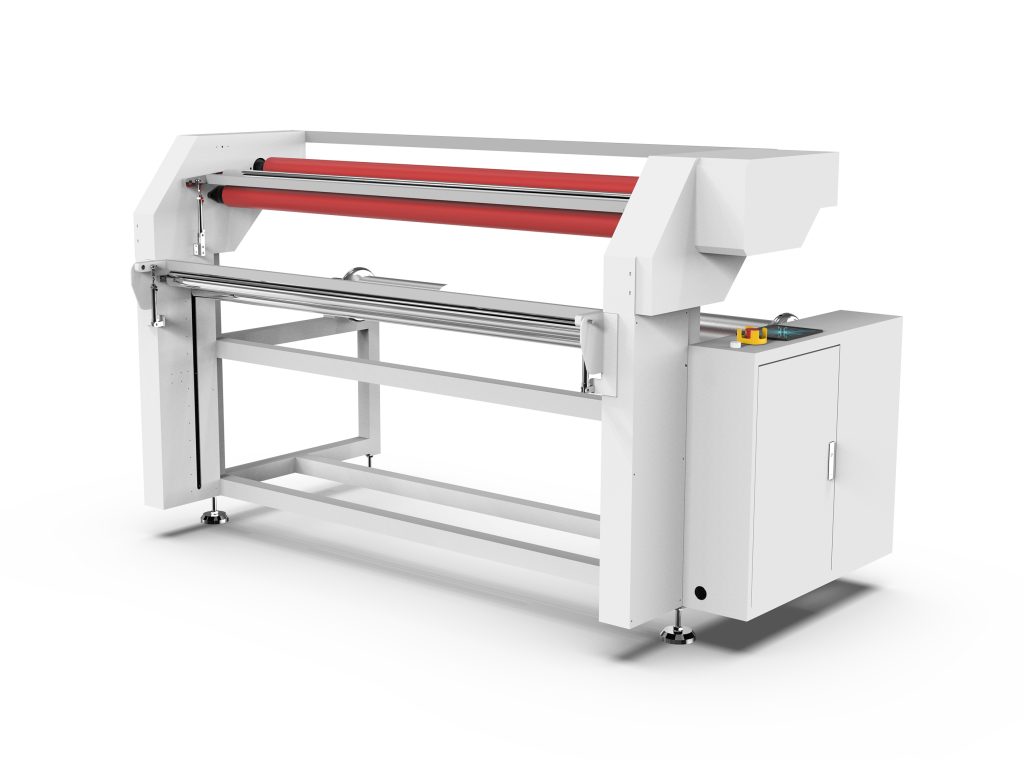
In the sofa manufacturing process, cutting is the core step that determines product quality and production efficiency. Traditional manual cutting relies on operator experience, which is not only inefficient but also makes precision difficult to guarantee, resulting in serious material waste. With the development of CNC technology, the sofa cutting machine (oscillating knife cutting machine) has become standard equipment for sofa enterprises. This article will take an in-depth look at the selection points, technical parameters, operating techniques, and maintenance of sofa cutting machines, providing practical reference for your investment decisions.
1. Selection Points for Sofa Cutting Machines
When purchasing a sofa cutting machine, factors such as production needs, material characteristics, and site conditions must be comprehensively considered to avoid blindly pursuing high configurations or low-priced equipment.
1. Effective Cutting Working Area
The cutting working area determines the size of material that can be cut in a single pass. Sofa fabric typically has a width of 1.4m-2.2m, so the effective cutting width of the cutting machine should be greater than the fabric width. Common specifications include 1600mm×2500mm, 2100mm×3000mm, etc. If mainly producing large sofas, it is recommended to choose equipment with a working area of no less than 2100mm×3000mm to reduce splicing and improve efficiency.
2. Cutting head configuration
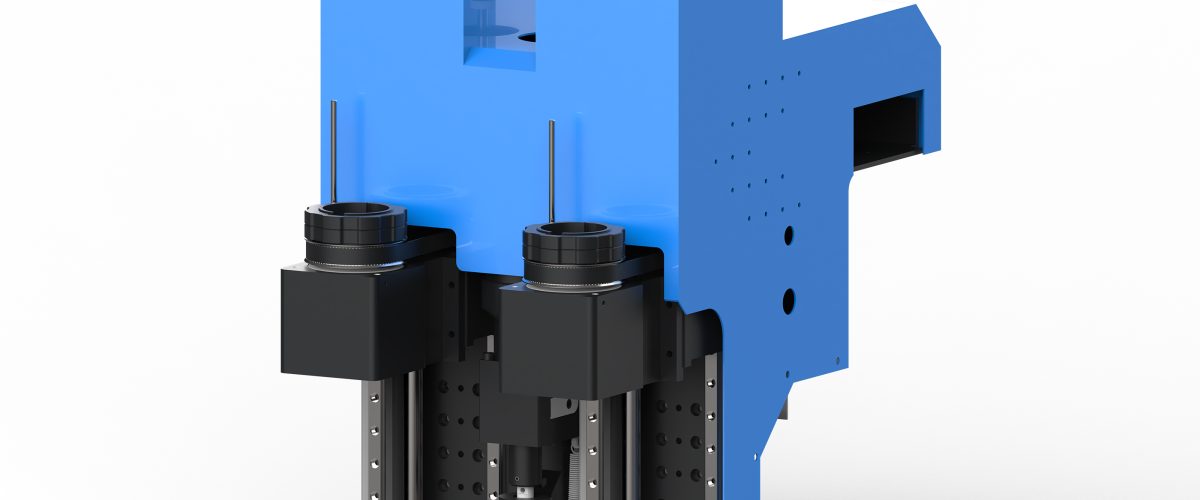
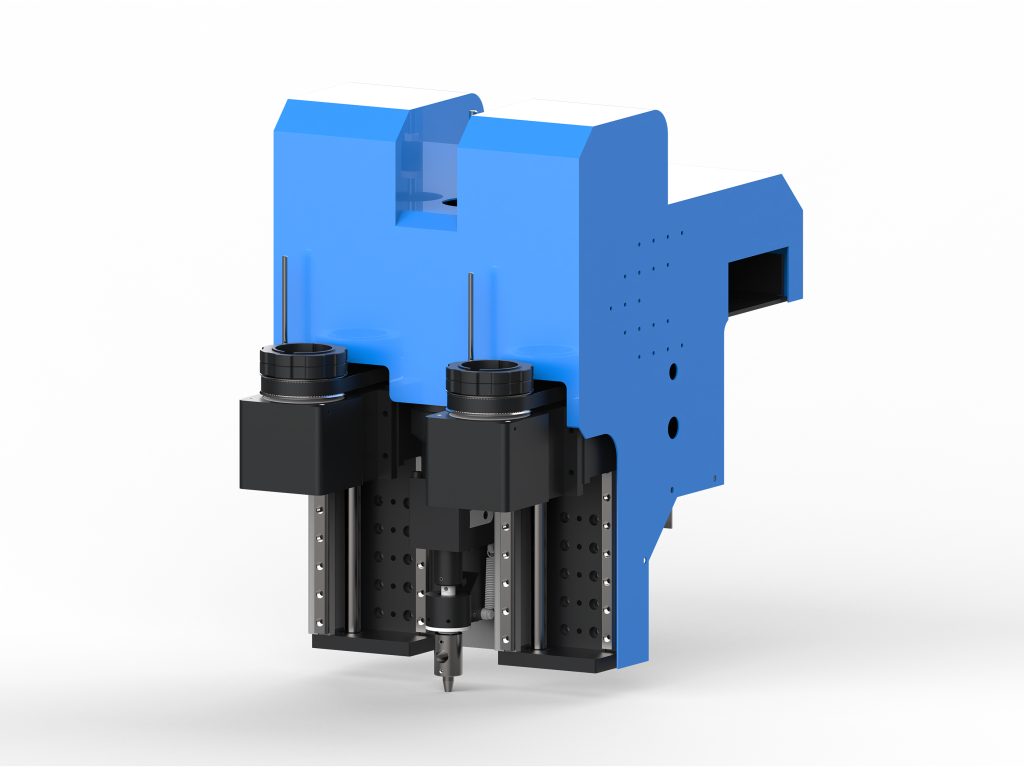
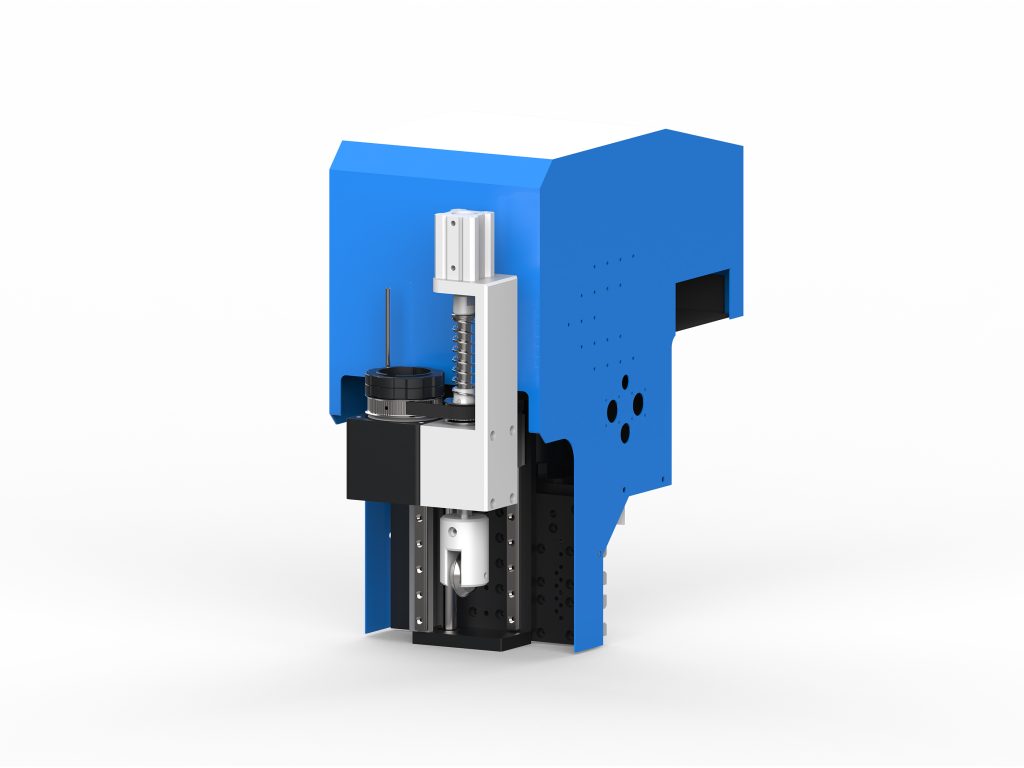
Sofa cutting machines are usually equipped with various tools such as oscillating knives, circular knives, punching knives, and V-shaped knives. The oscillating knife is suitable for cutting soft materials such as foam, leather, and fabric; the circular knife is suitable for cutting thicker foam; the punching knife is used for punching holes; the V-shaped knife is used for grooving. According to product process requirements, choosing a model with automatic tool change function can greatly improve flexibility.
3. Vacuum adsorption system
Vacuum adsorption is an important function to ensure cutting precision. The material is firmly fixed by the adsorption platform to prevent displacement during cutting. The adsorption force is usually expressed as a negative pressure value; it is recommended to choose equipment with a negative pressure of no less than -0.6 bar. For high-density foam, a higher-power vacuum pump needs to be configured.
4. Control system and software
Mainstream sofa cutting machines use a PC control system, are compatible with formats such as DXF, PLT, and HPGL, and can directly read CAD files. The software should have functions such as automatic nesting, path optimization, and cutting simulation to maximize material utilization. The operation interface needs to be simple and intuitive to reduce the skill requirements for operators.
5. Production efficiency and capacity matching
Cutting speed directly affects production capacity. The oscillating knife cutting speed is generally adjustable from 0-3000mm/s, and the actual speed depends on material thickness and complexity. For mass production, it is recommended to choose equipment with simultaneous multi-knife cutting capability, or configure an automatic loading and unloading system to reduce auxiliary time.
II. Analysis of Key Technical Parameters
Understanding equipment parameters helps evaluate performance. The following are the indicators that require key attention during purchase:
- Cutting accuracy: Typically required to be within ±0.5mm; high-precision models can achieve ±0.2mm.
- Repeat positioning accuracy: Affects the consistency of multi-layer cutting and should be ≤0.1mm.
- Maximum cutting thickness: An oscillating knife can generally cut foam 50-100mm thick, depending on material density.
- Knife speed: The oscillation frequency is usually 1000-3000 strokes/minute; high frequency suits thin materials, low frequency suits thick materials.
- Vacuum adsorption zones: Zoned control saves energy and adapts to materials of different sizes.
- Power requirements: Typically 380V/50Hz three-phase power, with power ranging from 5-15kW depending on configuration.
III. Operating Tips and Efficiency Improvement
Proper operating habits can extend equipment lifespan and increase output.
1. Material Preparation and Layout
Ensure the material is flat and wrinkle-free before cutting. When using layout software, set the spacing reasonably (usually 2-5mm) and use common-edge cutting to reduce waste. For leather, pay attention to directional grain to avoid color differences.
2. Tool Selection and Replacement
Select the blade angle according to material hardness: use a sharp thin blade for cutting foam, and a wear-resistant coated blade for cutting leather. Check blade wear regularly; generally, the blade needs to be replaced or sharpened every 200-300 hours of cutting.
3. Adjustment of adsorption parameters
Excessive adsorption force may cause material deformation, while insufficient adsorption may cause displacement during cutting. It is recommended to adjust the vacuum degree according to material thickness and air permeability: use lower adsorption force for thin fabrics and high adsorption force for thick foam. You can first test-cut a small sample to determine the optimal parameters.
4. Multi-layer cutting strategy
Multi-layer cutting can significantly improve efficiency, but attention must be paid to interlayer alignment. Each layer of material should be laid flat, and the total thickness should not exceed the machine’s maximum cutting thickness. For materials that are prone to slipping, double-sided tape can be used between layers for fixation.
5. Troubleshooting Common Issues
If the cutting edges appear rough, check whether the blade is sharp and whether the knife speed is appropriate; if there is dimensional deviation, check whether the vacuum hold-down is secure and whether the guide rails are clean. Regularly clean the guide rails and sensors with alcohol to prevent dust accumulation from affecting accuracy.
IV. Maintenance and Safety Guidelines
Proper maintenance can reduce downtime caused by faults and ensure production safety.
1. Daily Maintenance
- After work each day, clean debris from the table surface and use a vacuum cleaner to clean the vacuum hold-down holes.
- Check the blade fastening screws to prevent loosening.
- Clean the guide rails and apply special lubricating grease, at least once a week.
- Check whether the vacuum pipeline leaks air and whether the sealing strip is aged.
2. Regular maintenance
- Check the electrical wiring every month and tighten the terminals.
- Replace the vacuum pump filter every quarter and clean the cooling fan.
- Calibrate the precision of the equipment every year, including the straightness and perpendicularity of the guide rails.
3. Safe operation specifications
- It is strictly forbidden to put hands into the cutting area while the equipment is running; safety light curtains or protective covers must be equipped.
- Wear cut-resistant gloves when replacing the blade and use special tools.
- Train operators to ensure they are familiar with the location of the emergency stop button and emergency response plans.
V. Conclusion
The selection of a sofa cutting machine should start from actual production needs, balancing accuracy, efficiency, and investment cost. Correct operation and maintenance can not only extend equipment life but also continuously improve cutting quality. As intelligent manufacturing advances, cutting machines equipped with automatic nesting and IoT monitoring functions will become the trend, and enterprises are advised to reserve upgrade space when making purchases. If you need further information on specific model parameters or trial cutting services, please feel free to contact our technical team.