
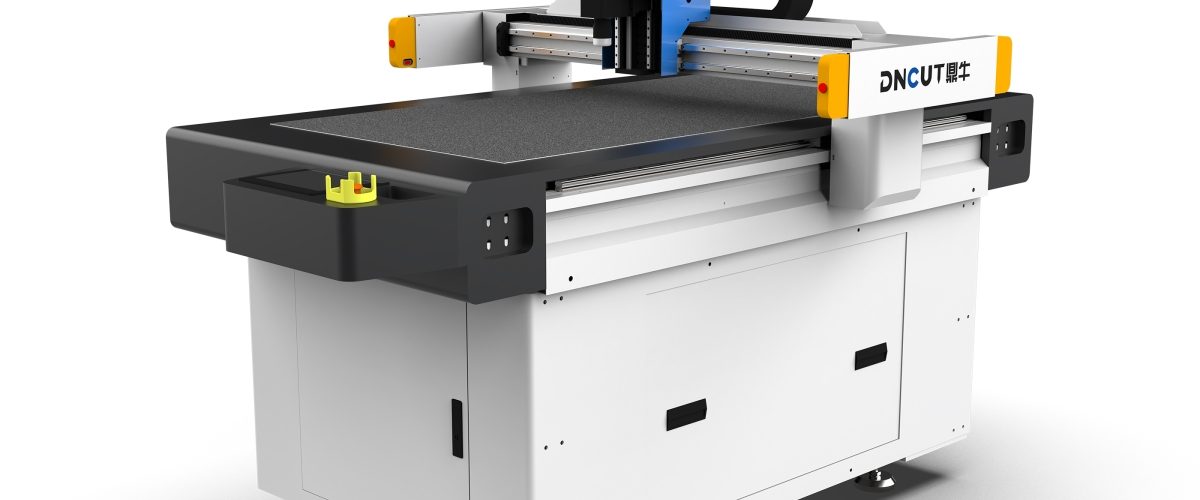
Garment Fabric Cutting Machines: Key Equipment for Improving Production Efficiency
In the garment manufacturing industry, fabric cutting is a critical process that determines product quality and production efficiency. Traditional manual cutting relies on skilled workers but suffers from low efficiency, unstable precision, and significant material waste. Garment fabric cutting machines solve these pain points through automation technology and have become standard equipment in modern garment factories. This article will delve into the types, selection points, usage techniques, and maintenance methods of garment fabric cutting machines, providing practical references for your equipment procurement and production management.
Main Types and Characteristics of Garment Fabric Cutting Machines
Based on different cutting principles, garment fabric cutting machines are mainly divided into oscillating knife cutting machines, laser cutting machines, circular knife cutting machines, and ultrasonic cutting machines. Each type has its applicable fabric range, advantages, and disadvantages.
1. Oscillating Knife Cutting Machines
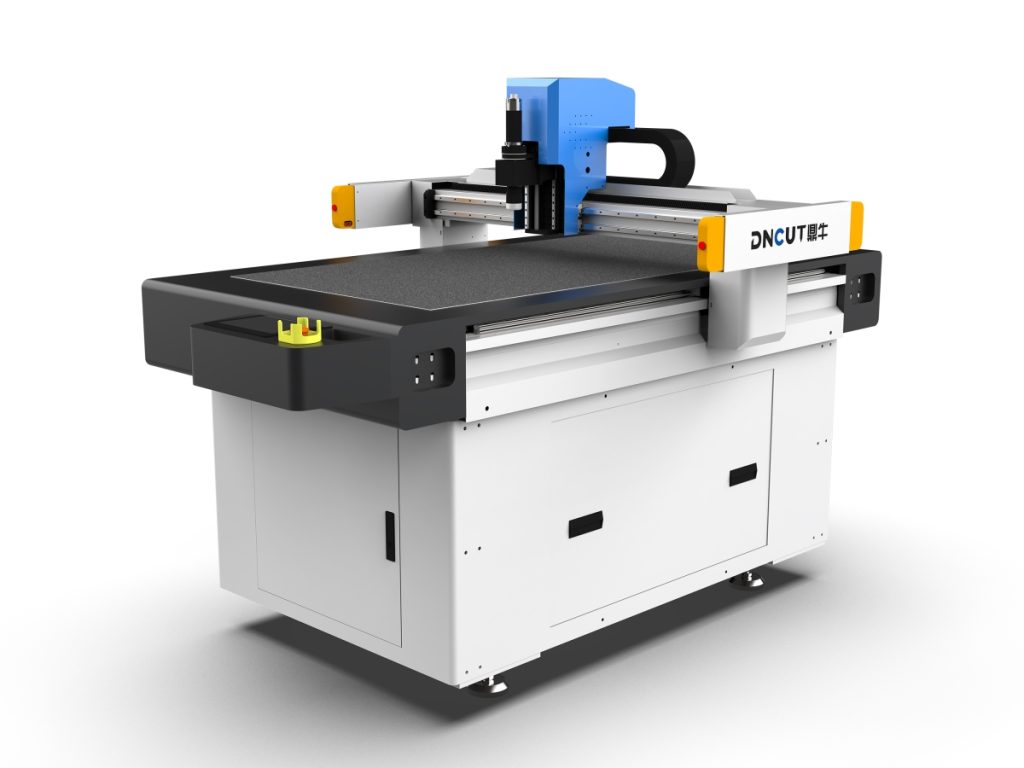
Oscillating knife cutting machines cut fabric through high-frequency up-and-down vibration of the blade (frequency typically 3000-8000 times/minute), suitable for most garment fabrics such as cotton, linen, chemical fiber, knitwear, and denim. Their advantages include neat cutting edges, no burning, adaptability to multi-layer cutting (can cut up to 50mm thick), and relatively low equipment cost. The disadvantage is that cutting speed is limited by blade vibration frequency, and ultra-thin or high-elastic fabrics may be stretched.
2. Laser Cutting Machines
Laser cutting machines use high-energy laser beams to melt or vaporize fabric, suitable for chemical fiber, leather, non-woven fabrics, etc. Advantages include high cutting precision (up to ±0.1mm), fast speed, and automatic edge sealing. Disadvantages include easy burning and yellow edges on natural fibers such as cotton and linen, as well as higher equipment prices and complex maintenance. Laser power is typically 60-150W, selected according to fabric thickness.
3. Circular Knife Cutting Machines
Circular knife cutting machines cut through rotating circular blades, suitable for heavy fabrics such as denim, canvas, and woolen. Advantages include strong cutting force and high efficiency, with cutting thickness up to 80mm. Disadvantages include poor flexibility when cutting curves, and edges may produce fraying.
4. Ultrasonic Cutting Machines
Ultrasonic cutting machines use high-frequency vibration (20-40kHz) to locally melt and cut fabric, suitable for chemical fiber, coated fabric, and thermoplastic materials. Advantages include automatic edge sealing, no fraying, and fast speed. Disadvantages include poor effectiveness on natural fibers and high equipment cost.
How to Choose the Right Garment Fabric Cutting Machine
Selection requires comprehensive consideration of fabric type, production scale, cutting precision requirements, and budget. The following are key decision factors:
1. Fabric Adaptability
First, clarify the main fabric types you process. If mainly cotton, linen, and knitwear, oscillating knife cutting machines are the best choice; if mainly chemical fiber and leather, laser or ultrasonic is more suitable; if processing heavy denim, circular knife cutting machines are more efficient. For multi-variety small-batch production, it is recommended to choose oscillating knife cutting machines due to their broadest adaptability.
2. Cutting Precision and Speed
Garment cutting precision typically requires within ±0.5mm. Oscillating knife cutting machines can achieve ±0.3mm precision, and laser cutting machines can achieve ±0.1mm. In terms of speed, laser cutting machines are the fastest (up to 1000mm/s), followed by oscillating knife (500-800mm/s), and circular knife is the slowest (200-400mm/s). Choose according to order delivery deadlines and capacity requirements.
3. Degree of Automation
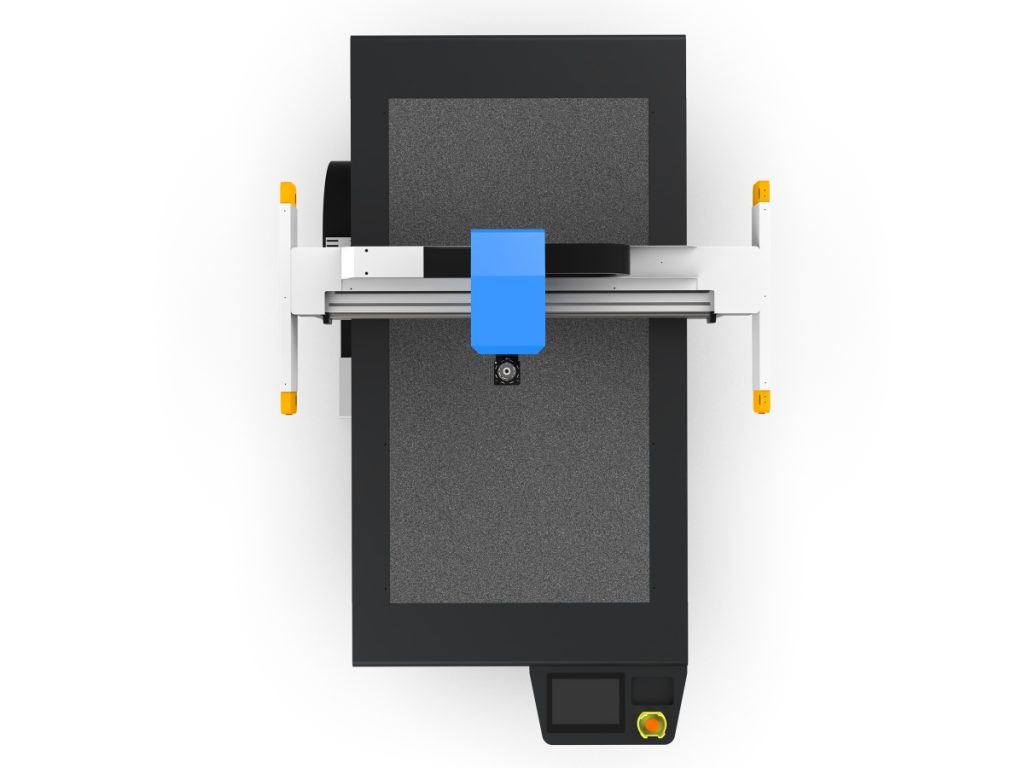
Modern cutting machines are typically equipped with automatic feeding, automatic nesting, and automatic cutting functions. High-end models also support CCD visual recognition, automatic deviation correction, and remote monitoring. For large-batch production, it is recommended to choose models with automatic feeding and nesting systems, which can improve material utilization by 5%-10%.
4. Software and Compatibility
Cutting machines need to be used with CAD software. Ensure the equipment supports common formats (DXF, PLT, AI, etc.) and has intelligent nesting functions. Some brands provide proprietary software, whose ease of use and update services need to be evaluated.
5. Budget and Return on Investment
Oscillating knife cutting machines typically cost 100,000-300,000 RMB, laser cutting machines 200,000-500,000 RMB, and circular knife cutting machines 50,000-150,000 RMB. When considering return on investment, calculate the benefits from labor savings, improved material utilization, and increased capacity. Typically, equipment investment can be recovered within 1-2 years.
Usage Techniques for Garment Fabric Cutting Machines
Correct use of cutting machines can extend equipment life and ensure cutting quality. Here are some practical tips:
1. Fabric Pre-treatment
Before cutting, ensure the fabric is flat and wrinkle-free. For fabrics prone to curling, pre-setting treatment can be applied. For multi-layer cutting, use clamping devices to secure the fabric and prevent interlayer sliding. It is recommended that each layer thickness not exceed 5mm, with total thickness adjusted according to blade length.
2. Parameter Settings
Adjust cutting parameters according to fabric type:
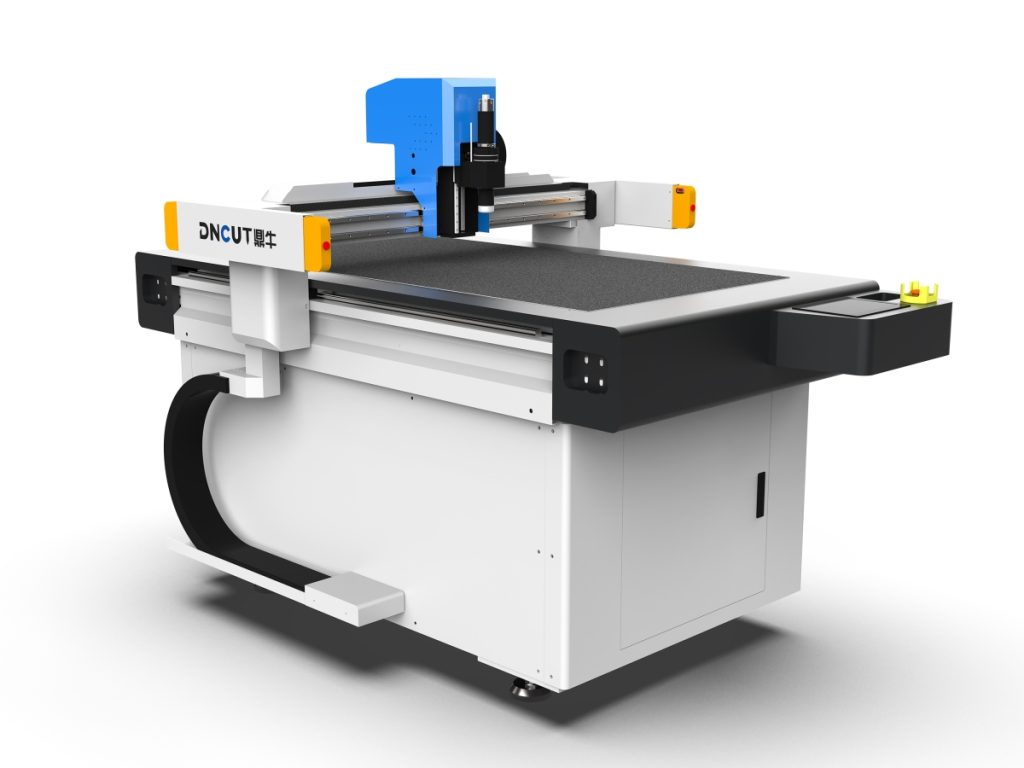
- Oscillating knife: Vibration frequency 3000-5000 times/minute (thin materials) or 5000-8000 times/minute (thick materials); cutting speed 300-600mm/s; blade angle selected according to fabric (typically 15°-30°).
- Laser: Power 60-100W (thin materials) or 100-150W (thick materials); cutting speed 200-800mm/s; auxiliary gas (compressed air) pressure 0.2-0.5MPa.
- Circular knife: Rotational speed 1000-3000rpm; feed speed adjusted according to thickness, typically 200-400mm/s.
3. Nesting Optimization
When using nesting software, try to maximize fabric utilization. Strategies such as mixed nesting, rotated nesting, and nested nesting can be adopted. For directional fabrics (such as stripes and plaids), ensure consistent nesting direction. Regularly updating nesting algorithms can improve utilization by 3%-5%.
4. Tool Maintenance
Regularly check blade wear. Oscillating knife blades typically need replacement after cutting 500-1000 meters; laser lenses need weekly cleaning; circular knife blades need sharpening every 2-3 months. Keeping tools sharp ensures cutting quality and reduces equipment load.
Common Problems and Solutions
The following problems may be encountered during use:
- Rough cutting edges: Check whether the blade is sharp, adjust cutting speed or vibration frequency. For chemical fiber fabrics, switch to laser or ultrasonic cutting.
- Fabric stretching and deformation: Reduce cutting speed, increase clamping force, or use a cutting table with vacuum adsorption.
- Decreased cutting precision: Check whether guide rails and transmission components are worn, calibrate the origin position, and ensure fabric flatness.
- Laser cutting yellow edges: Reduce power, increase speed, or use auxiliary gas blowing.
Maintenance Points
Regular maintenance can extend equipment life and maintain precision:
- Daily cleaning of equipment surfaces and guide rails to remove fabric fibers and dust.
- Weekly inspection of blades, lenses, nozzles, and other consumable parts, replacing them promptly.
- Monthly lubrication of guide rails and lead screws, checking belt tension.
- Quarterly calibration of equipment precision, checking electrical connections.
- Annual comprehensive maintenance, including replacement of worn parts and software upgrades.
Summary
The selection of garment fabric cutting machines requires comprehensive decision-making based on fabric type, production needs, and budget. Oscillating knife cutting machines have become the first choice for most garment enterprises due to their broad adaptability, while laser and ultrasonic cutting machines have advantages in specific fields. Correct use and maintenance of equipment can significantly improve cutting efficiency and quality while reducing production costs. With the development of automation technology, garment fabric cutting machines are evolving toward intelligence and flexibility, bringing more possibilities to the garment manufacturing industry.