
The Core Value of Garment Fabric Cutting Machines
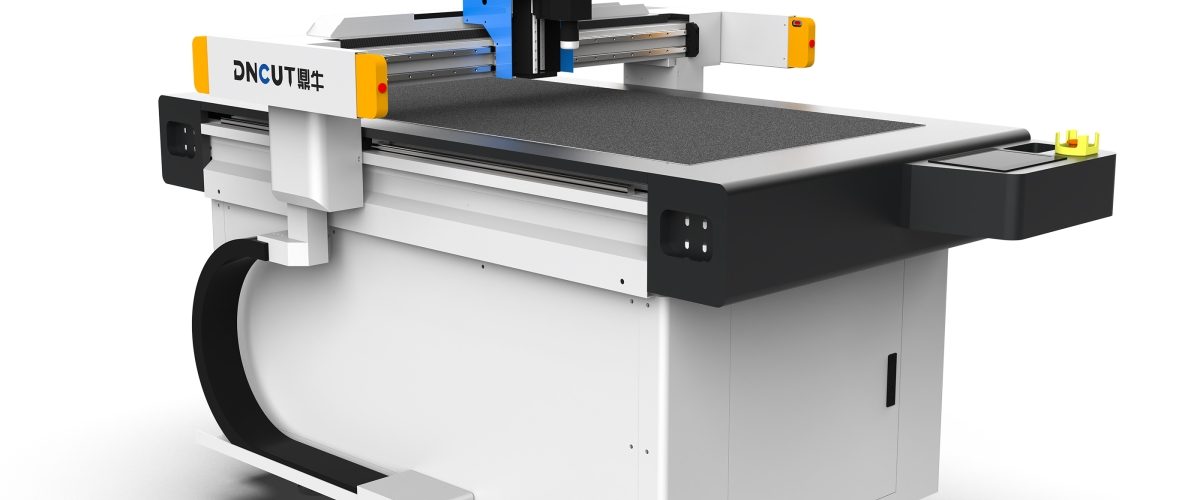
In the garment production process, cutting is a key step that determines finished product quality and cost. Traditional manual cutting relies on skilled workers, but faces problems such as low efficiency, unstable precision, and low fabric utilization. Garment fabric cutting machines (also known as automatic cutting machines) use digital control and high-frequency oscillating knife technology to achieve fast and precise cutting of multi-layer fabrics, becoming standard equipment for modern garment enterprises.
Taking the dncut oscillating knife cutting machine as an example, it uses a high-frequency vibrating blade of 3000-8000 times per minute, combined with a vacuum adsorption system to secure the fabric, and can cut fabric layers of 2-10 cm thickness in one pass (depending on the material), with cutting accuracy up to ±0.5 mm and repeat positioning accuracy of ±0.1 mm. This means that even for complex curved cut pieces, consistency between batches can be guaranteed.
Comparison of Mainstream Cutting Technologies
1. Oscillating Knife Cutting
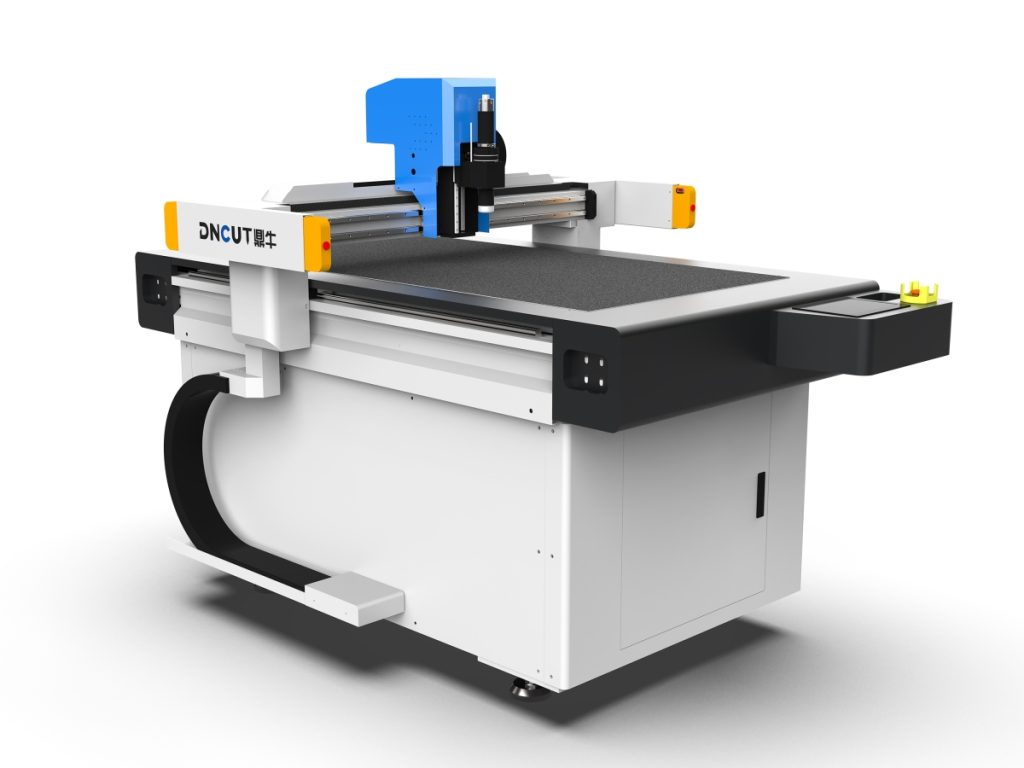
The oscillating knife is the most commonly used method for garment fabric cutting machines, suitable for the vast majority of flexible materials such as cotton, linen, chemical fiber, and knitwear. The blade vibrates up and down at high frequency, like electric scissors, producing clean cuts without burnt edges. For adhesive-coated or easily melted fabrics, models equipped with cooling devices should be selected to prevent the blade from overheating and sticking.
2. Laser cutting
Laser cutting offers high precision and speed, but the heat-affected zone can cause melting and yellowing at the edges of synthetic fabrics, and it generates smoke, requiring an exhaust system. It is typically used for sampling or small-batch production and is not suitable for high-volume multi-layer cutting.
3. Rotary knife cutting
The rotary knife is suitable for thinner fabric layers (usually no more than 3 cm) and offers fast cutting speed, but its curve precision is inferior to that of the oscillating knife. It is mostly used for simple straight-line cut pieces.
Overall, the oscillating knife cutting machine has the strongest adaptability in garment fabric cutting, especially for multi-layer, high-precision requirements. dncut’s oscillating knife series offers a variety of knife heads (such as pointed knife, rotary knife, serrated knife), which users can quickly change according to fabric characteristics.
Key Selection Parameters
When purchasing a cutting machine for garment fabric, the following parameters should be carefully evaluated:
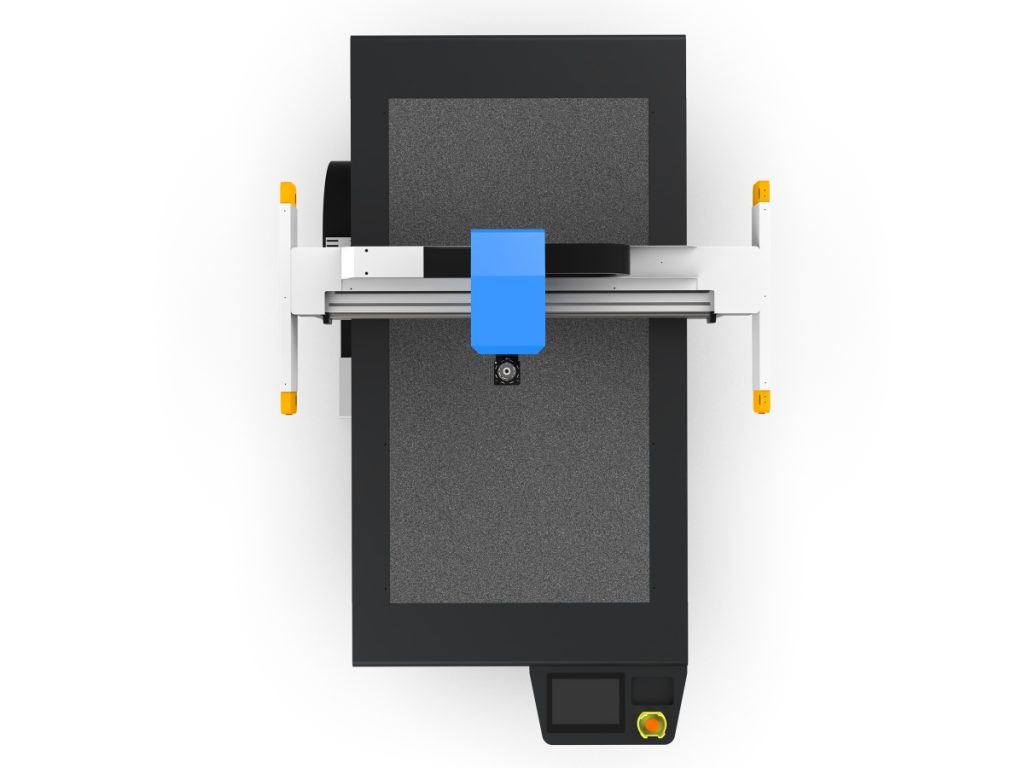
- Effective cutting area: Common specifications include 1.6m×2.5m, 1.8m×3.0m, 2.0m×3.5m, etc., which should be determined based on fabric width and cutting layout. For example, for fabric with a width of 1.5m, it is recommended to choose a model with a width of ≥1.7m to leave a suction margin.
- Cutting thickness: After vacuum suction, the maximum cutting thickness of the oscillating knife is usually 5-10cm (after compression). If cutting down jacket fabric, the loftiness must be considered, and a model with stronger suction should be selected (vacuum pump power ≥7.5kW).
- Cutting speed: The idle travel speed can reach 60-120m/min, while the actual cutting speed is affected by the number of fabric layers and pattern complexity, usually 10-30m/min. High-speed models need to be equipped with high-precision servo motors and guide rails.
- Control system: It should support mainstream CAD formats (such as DXF, PLT, HPGL) and have automatic nesting and intelligent knife compensation functions. dncut cutting machines are equipped with self-developed cutting software, which can simulate the cutting path in real time and optimize the knife sequence to reduce idle travel.
- Suction system: Vacuum zoned suction can independently control the vacuum degree of each zone to prevent fabric displacement. For highly breathable fabrics (such as mesh fabric), it is necessary to increase suction or use a cover film.
Operation Process and Techniques
1. Fabric Preparation and Spreading
During fabric spreading, ensure the fabric is flat and tension-free, with interlayer misalignment not exceeding 2mm. For striped or plaid fabrics, use a stripe and plaid matching device to ensure pattern alignment of cut pieces. The spreading height is recommended not to exceed 80% of the cutting machine’s maximum cutting thickness to leave room for vacuum adsorption and compression.
2. Vacuum Adsorption and Cutting
After starting the vacuum pump, wait 30-60 seconds for the fabric to be compacted. Before cutting, cover the fabric surface with a layer of PE film to enhance suction and prevent the blade from lifting the fabric. Cutting parameters (such as knife frequency and feed speed) should be adjusted according to fabric thickness and material: for example, when cutting 10 layers of denim, set the knife frequency to 6000 times/min and the feed speed to 15 m/min; when cutting 2 layers of silk, reduce the knife frequency to 3000 times/min and set the feed speed to 25 m/min.
3. Blade selection and replacement
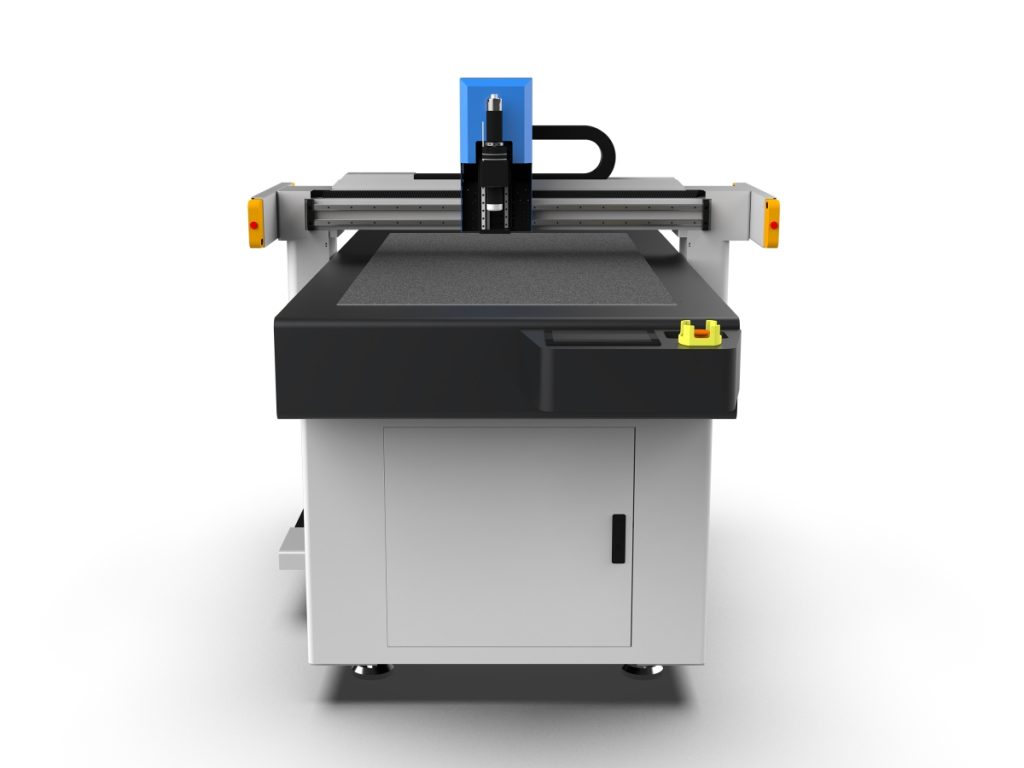
Oscillating knife blades come in multiple angles (such as 30°, 45°, 60°); the smaller the angle, the more suitable for fine curves. When cutting thick materials, choose large-angle blades to increase strength. After the blade wears, burrs will appear on the cut edge, and it needs to be replaced in time. dncut recommends checking the blade every 800-1000 meters of cutting, or adjusting according to the abrasiveness of the fabric.
4. Common Problem Handling
- Uneven cut: Check whether the blade is loose or worn, and whether the suction is insufficient.
- Fabric displacement: Increase the vacuum degree or use a thicker cover film, and check whether the fabric spreading is flat.
- Blade overheating: Reduce the knife frequency, or use a knife head with an air cooling device.
Maintenance and Care
Regular maintenance extends the service life of the cutting machine and maintains accuracy:
- Daily: Clean the table felt and remove debris around the blade; check the vacuum lines for air leaks.
- Weekly: Lubricate the guide rails and lead screws (use lithium-based grease) and check the tension of the timing belt.
- Monthly: Calibrate the cutting origin and check the servo motor encoder; clean the vacuum pump filter.
- Annually: Replace worn felt and sealing strips, and perform a comprehensive inspection of the electrical system.
dncut provides remote diagnostic capabilities, enabling real-time monitoring of equipment status over the network and early fault warnings.
Cost-Benefit Analysis
Take a medium-sized garment factory as an example: with a daily output of about 5,000 pieces, traditional manual cutting requires 8 workers, while a single automatic cutting machine needs only 1 operator, improving efficiency by more than 3 times. In terms of fabric utilization, intelligent nesting software can save 2%-5% of fabric. Based on an annual fabric usage of 1 million meters at a unit price of 30 yuan/meter, the annual fabric cost savings amount to 600,000-1.5 million yuan. The equipment investment payback period is usually 1-2 years.
Summary
The selection of a cutting machine for garment fabric requires comprehensive consideration of fabric characteristics, production scale, and precision requirements. Oscillating knife technology has become the first choice for most garment enterprises due to its strong adaptability and good cut quality. Correct operation and regular maintenance are key to ensuring the long-term stable operation of the cutting machine. As a manufacturer of flexible material cutting equipment, dncut offers oscillating knife cutting machines in various specifications from 1.6 meters to 3.5 meters, and can customize the knife head and adsorption system according to customer needs, helping enterprises achieve efficient and precise cutting.