
What Is a Paper Carton Sample Making Machine?
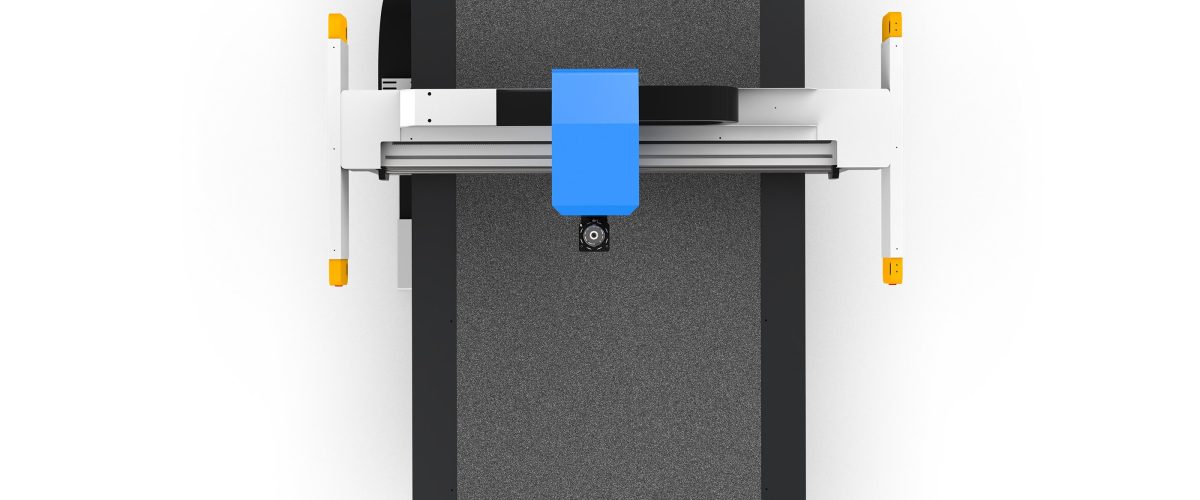
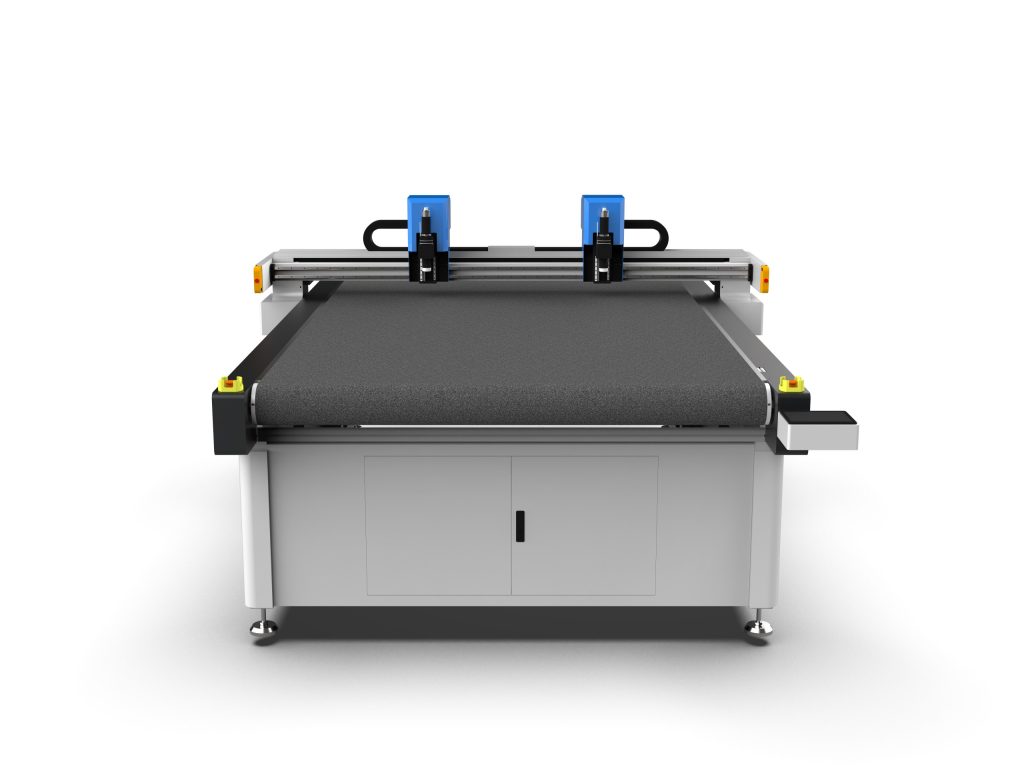
A paper carton sample making machine, also known as a carton proofing machine or computerized sample making machine, is a CNC device used to produce packaging samples such as cartons and color boxes. It controls the cutting head through a computer and automatically cuts materials such as corrugated cardboard and card paper according to design files, quickly producing high-precision packaging samples. Compared with traditional manual proofing, the sample making machine can greatly shorten the proofing cycle and improve sample consistency, and has become an indispensable tool for packaging companies.
Core Components of a Paper Carton Sample Making Machine
1. Cutting System
The cutting system of a sample making machine usually includes tools such as an oscillating knife, drag knife, creasing wheel, and drawing pen. The oscillating knife is used to cut corrugated cardboard; through high-frequency vibration, it reduces cutting resistance and ensures a flat cut. The drag knife is suitable for thin materials such as card paper. The creasing wheel is used to create crease lines for subsequent folding and forming. Some high-end models are equipped with an automatic tool changing system that can automatically switch tools according to different processes, improving efficiency.
2. Transmission and Control System
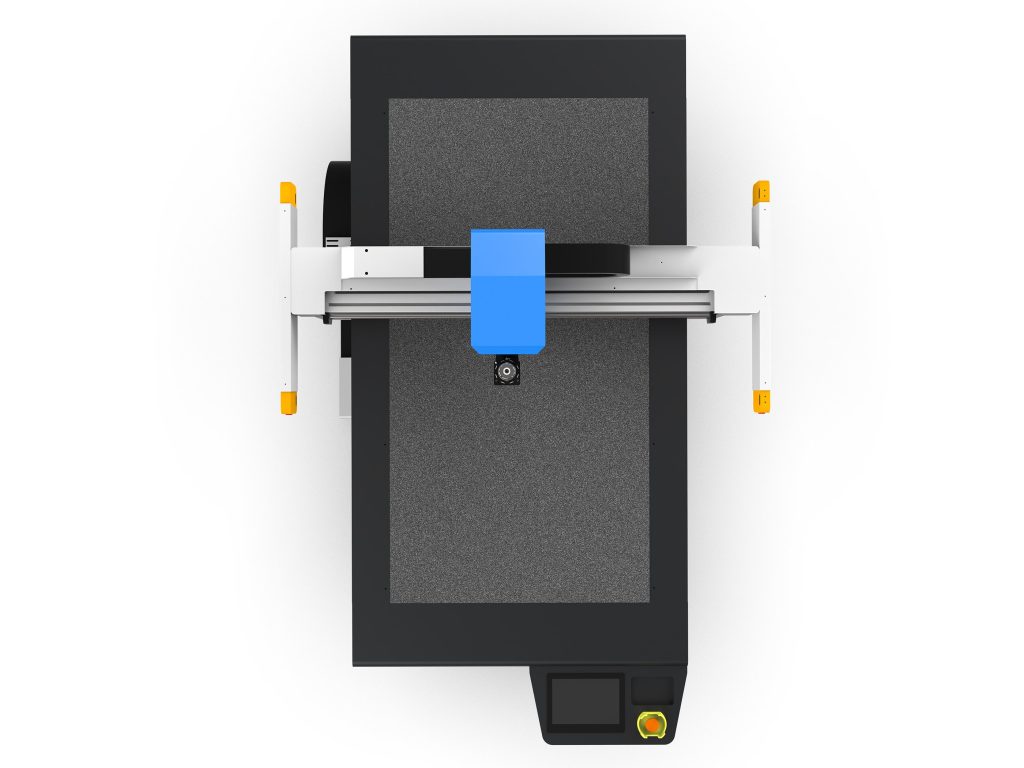
Servo motors drive timing belts or gear racks to achieve precise X and Y axis positioning. The control system is mostly based on a PC platform and is compatible with mainstream CAD software (such as AutoCAD and ArtiosCAD), and can directly read files in formats such as DXF, AI, and PDF. The operating software usually has functions such as path optimization, simulation preview, and parameter settings, reducing the technical requirements for operators.
3. Vacuum Adsorption Platform
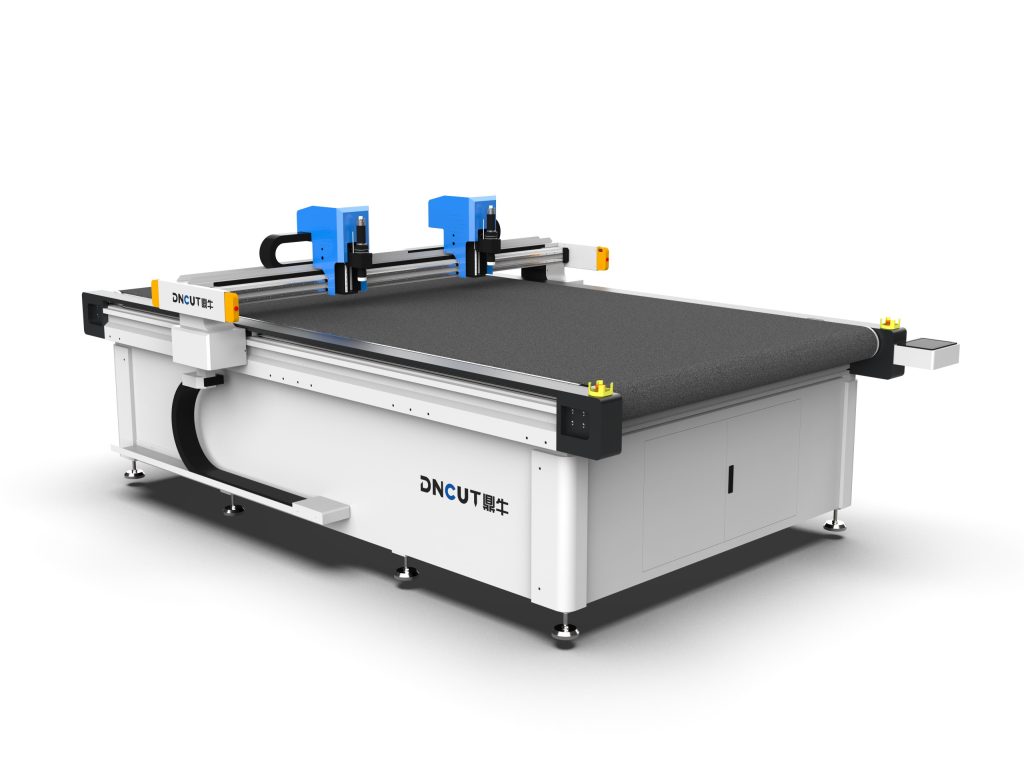
The adsorption platform generates negative pressure through a vacuum pump to firmly fix the material on the table and prevent displacement during cutting. The platform is usually divided into multiple zones that can independently control adsorption force to adapt to materials of different sizes. For corrugated cardboard, it is recommended that the adsorption force be no less than -0.6 bar to ensure cutting accuracy.
How to Choose a Suitable Paper Carton Sample Making Machine
1. Clarify Processing Requirements
- Material Type: If mainly processing corrugated cardboard (such as three-layer, five-layer, or seven-layer), choose a model with higher oscillating knife power (recommended power ≥1.5 kW); if mainly card paper, a drag knife configuration is sufficient.
- Maximum Processing Size: Choose the table specifications according to common order sizes. For example, when processing large home appliance packaging boxes, it is recommended to choose a model with an effective cutting area of no less than 1600 mm × 2500 mm.
- Precision Requirements: Ordinary carton proofing generally requires precision of ±0.5 mm; fine color boxes or display stands may require ±0.2 mm, so models with high-precision ball screw transmission or ground rack transmission should be selected.
2. Examine Key Performance Parameters
- Cutting Speed: Usually 200-1200 mm/s. The higher the speed, the higher the efficiency, but cutting quality must also be considered. It is recommended to choose a model with adjustable speed and set appropriate parameters for different materials.
- Repeat Positioning Accuracy: Should be ≤0.05 mm to ensure consistency of multiple cuts.
- Tool Life: The life of oscillating knife blades is usually 8-12 hours (continuous cutting of corrugated cardboard). Attention should be paid to blade replacement cost and convenience.
- Software Compatibility: Ensure support for the design software formats commonly used by the company and path optimization functions to reduce idle travel.
3. Evaluate Brand and Service
Choose a brand with technical strength and pay attention to after-sales response time and spare parts supply capability. It is recommended to ask the supplier to provide on-site machine testing and verify the cutting effect with actual materials. In addition, understand whether the equipment supports subsequent upgrades (such as adding an automatic feeding system) to adapt to future development.
Operating Process and Techniques of Paper Carton Sample Making Machines
1. File Preparation and Import
Use CAD software to draw the die-cut drawing, distinguish cutting lines, crease lines, and drawing lines, and set them on different layers. After importing into the sample making machine software, check the graphic scale and dimensions to ensure consistency with the design. It is recommended to simulate the running path in the software to avoid collisions.
2. Material Fixing and Tool Setting
Place the cardboard flat on the adsorption platform and turn on vacuum adsorption to ensure the material is not warped. Use a tool setting block or automatic tool setting function to calibrate the distance between the tool tip and the material surface. Generally, for the oscillating knife, it is recommended that the tool tip just touch the material surface, while the drag knife needs slight pressure.
3. Parameter Setting and Trial Cutting
Adjust parameters such as cutting speed, vibration frequency, and knife pressure according to material thickness and type. For example, when cutting five-layer corrugated cardboard, it is recommended to set the vibration frequency to 12000-15000 times/min, the speed to 800 mm/s, and the knife pressure to 0.3-0.5 MPa. Before formal processing, be sure to trial cut on scrap material and check cut quality and crease depth.
4. Process Monitoring and Part Removal
During cutting, pay attention to chip removal to avoid paper debris accumulation affecting precision. After completion, turn off adsorption, carefully remove the sample, and check dimensions and cuts. If there are burrs, adjust the blade or reduce speed.
Common Problems and Solutions
- Burrs on the Cut: Check whether the blade is worn, appropriately increase vibration frequency, or reduce cutting speed.
- Unclear Creases: Adjust the pressure of the creasing wheel or replace the worn creasing wheel.
- Material Displacement: Check whether the adsorption force is sufficient, ensure the platform sealing strip is intact, and use tape for auxiliary fixing if necessary.
- Cutting Size Deviation: Calibrate the transmission system (such as belt tension and gear clearance) and check whether the file dimensions are correct.
Maintenance Points
- Daily Cleaning: Clean paper debris from the table, wipe the guide rails and racks, and keep the equipment clean.
- Regular Lubrication: Apply special lubricating oil to the guide rails and lead screws every week to reduce wear.
- Tool Management: Regularly check blade wear and replace in time; avoid collisions during storage.
- Vacuum System Maintenance: Clean the vacuum pump filter every month and check pipeline sealing.
- Software Updates: Pay attention to control system upgrades to obtain new functions and optimizations.
Conclusion
The paper carton sample making machine is key equipment for improving the proofing capability of packaging companies. When purchasing, it is necessary to combine your own material, size, and precision requirements, focusing on the cutting system, transmission precision, and software compatibility. Correct operation and regular maintenance can extend equipment life and ensure proofing quality. With the growth of personalized packaging demand, sample making machines will develop toward higher efficiency and greater intelligence. Companies should choose models with upgrade potential to adapt to market changes.