
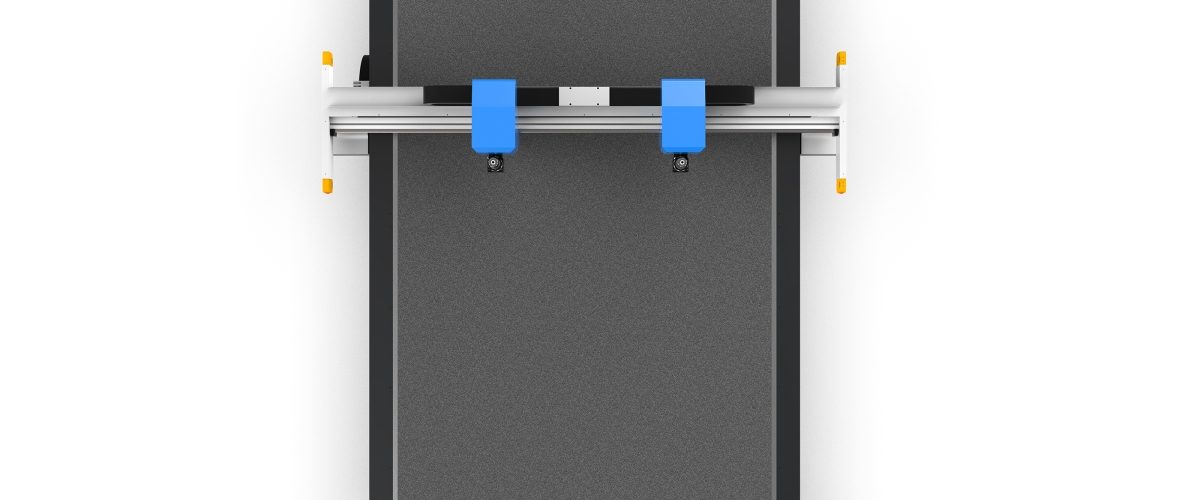
- Cutting speed up to 1200mm/s, continuous operation without fatigue, one machine’s capacity equals several skilled workers.
- Positioning accuracy ±0.1mm, combined with vision edge-following, high consistency for irregular parts, greatly reducing rework rate.
- Intelligent nesting improves material utilization; equipment investment is typically covered within 1 to 1.5 years by saved material and labor costs.
- By changing tool holders and blades, oscillating knife, drag knife, milling cutter, drawing pen, and creasing pen can be combined for multi-process machining.
- Suitable for soft materials with thickness of 0.2-60mm; one machine completes cutting, drilling, creasing, and line drawing.
- Before deciding, it is recommended to send samples for proofing, using real cutting videos and cross-section results to verify process adaptability.
Three Big Mountains
When talking with factory owners, “difficulty in recruiting workers, unstable quality, and large waste” are the three most mentioned phrases. Skilled cutting workers have a long training cycle and high turnover; manual cutting produces inconsistent pieces with high rework losses; pattern layout and nesting rely on experience, with astonishing waste of leftover material.
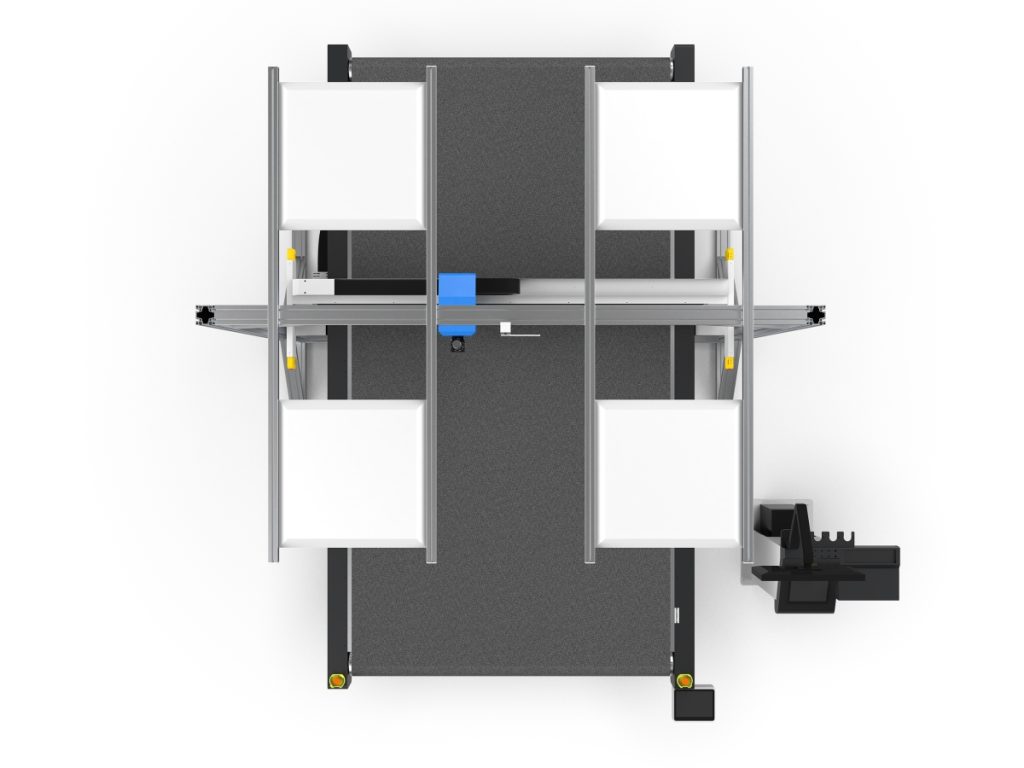
The Oscillating Knife Solution
- Efficiency: cutting speed up to 1200mm/s, continuous operation unaffected by fatigue, one machine equals several skilled workers;
- Quality: positioning accuracy ±0.1mm, vision edge-following makes every irregular part consistent, rework rate drops significantly;
- Cost reduction: intelligent nesting improves material utilization; equipment investment is typically covered within one to one and a half years by saved material and labor.
A Common Misconception
Many factories assume an oscillating knife can only cut a single material. In fact, by changing the tool holders and blades, the oscillating knife, drag knife, milling cutter, drawing pen, and creasing pen can be flexibly combined, so a single machine can complete multiple processes such as cutting, punching, creasing, and drawing lines, covering flexible materials with a thickness of 0.2-60mm.
Final thoughts
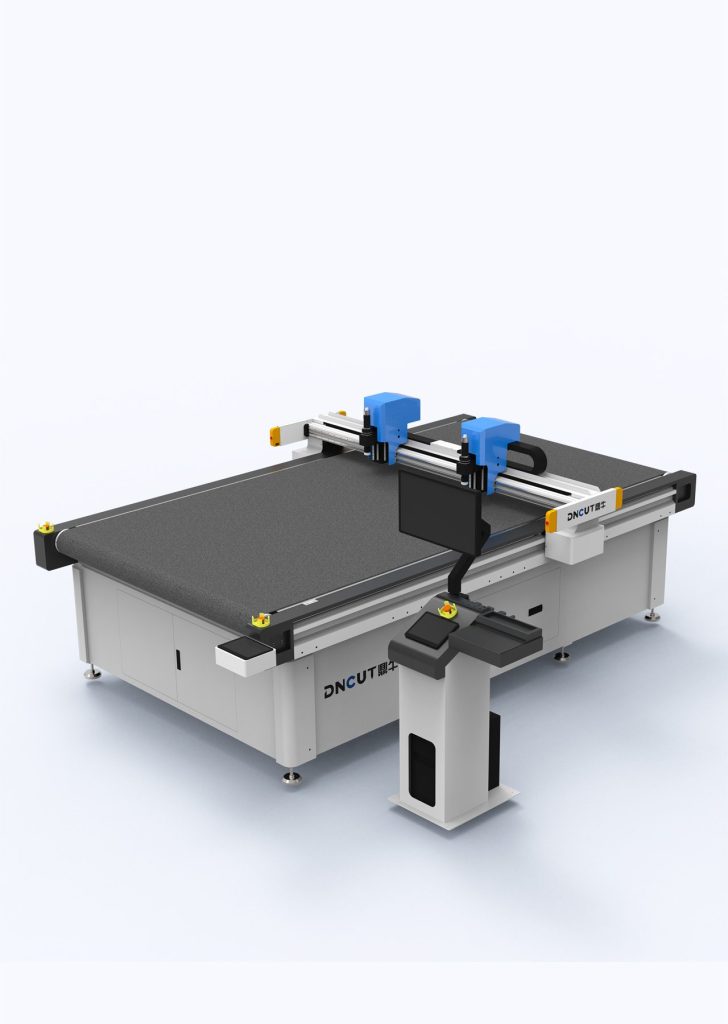
Equipment is not omnipotent; process validation is the key. Before making a decision, it is recommended to send samples for trial cutting first: hand your materials to engineers for actual testing, and use real cutting videos and cross-section results as the basis for decision-making. Dingniu supports free sample testing, and you are welcome to send materials for verification.
FAQ
What materials is the oscillating knife cutting machine suitable for cutting?
The oscillating knife cutting machine is suitable for flexible materials with a thickness of 0.2-60mm. By changing the tool holders and blades, it can handle a variety of materials; specific cases require sample verification.
What are the accuracy and speed of the oscillating knife cutting machine?
The oscillating knife cutting machine has a positioning accuracy of ±0.1mm and a maximum cutting speed of 1200mm/s, ensuring consistency for irregularly shaped parts.
What benefits can an oscillating knife cutting machine bring compared with manual cutting?
An oscillating knife cutting machine can improve efficiency, stabilize quality, and reduce material waste. The equipment investment is usually covered by cost savings within 1 to 1.5 years.
Can an oscillating knife cut only a single material?
No. By changing the tool holder and blade, the oscillating knife can be combined with a drag knife, milling cutter, drawing pen, and creasing pen to achieve multi-process machining.
How can I verify whether an oscillating knife cutting machine is suitable for my material?
Before making a decision, it is recommended to send samples for proofing. Engineers will conduct actual tests and provide cutting videos and cross-section results as the basis for process verification.