
- The oscillating knife is suitable for 0.2-60mm soft materials, with clean cut edges and no heat-affected zone; it can cut genuine leather, foam, PP corrugated board, etc.
- Laser is suitable for hard materials such as acrylic, but soft materials are prone to burning and hardening, and materials such as PVC will produce harmful gases.
- Die cutting is the most cost-effective for large-volume single-pattern production, but the mold cost is high, the lead time is long, and changing styles is inflexible.
- Three dimensions for selection: material heat sensitivity, batch size, and quality requirements and profile accuracy.
- Mature factories often use both oscillating knife and die cutting: sampling and repeat orders go through the oscillating knife, while large-volume bestseller orders go through die cutting.
- When unsure, send samples for trial cutting; comparing the oscillating knife with laser or die cutting using actual materials is the most reliable approach.
The essential differences among the three processes
The oscillating knife is physical cutting, laser is thermal cutting, and die cutting is mold forming. The nature of the process determines the applicable boundaries:
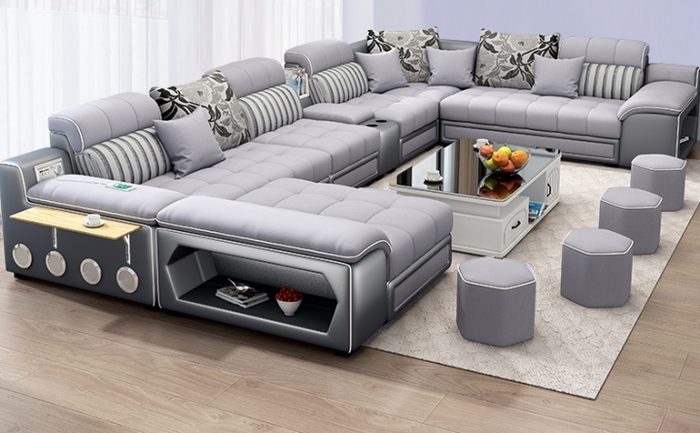
- Oscillating knife: strong versatility for soft materials, clean cut edges with no heat-affected zone, suitable for genuine leather, microfiber, fabric, composite cotton, foam, PP corrugated board and other 0.2-60mm materials;
- Laser: suitable for hard materials such as acrylic and thin sheets that require thermal cutting; soft materials are prone to burning and hardening with a smoky odor, and some materials (such as PVC) will also produce harmful gases;
- Die cutting: the most cost-effective for large-volume single-pattern production, but the mold cost is high, the lead time is long, changing styles is inflexible, and it is uneconomical for multi-layer small-batch scenarios.
Three-dimension selection framework
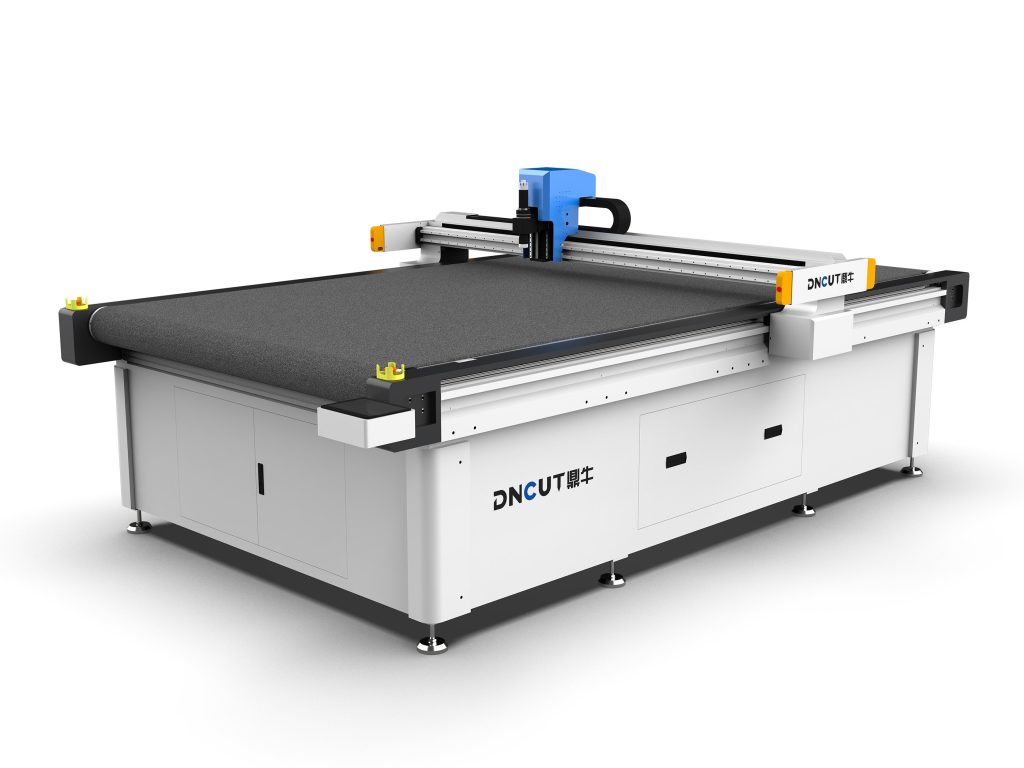
First, look at the material: avoid laser for materials containing PVC or heat-sensitive materials; second, look at the batch size: prioritize oscillating knife for prototyping and small-to-medium batches, and evaluate die cutting for very large single-style batches; third, look at quality: prioritize oscillating knife + vision positioning for appearance parts and precision irregular-shaped parts.
Combined use is the norm
Mature factories often use oscillating knife and die cutting together: prototyping, repeat orders, and multi-style small batches go through the oscillating knife, while stable large orders for best-selling styles go through die cutting; the two are complementary rather than substitutes. When unsure, the simplest approach is to send samples and let engineers perform comparative trial cutting with the actual material.
FAQ
What is the difference between oscillating knife and laser cutting for flexible materials?
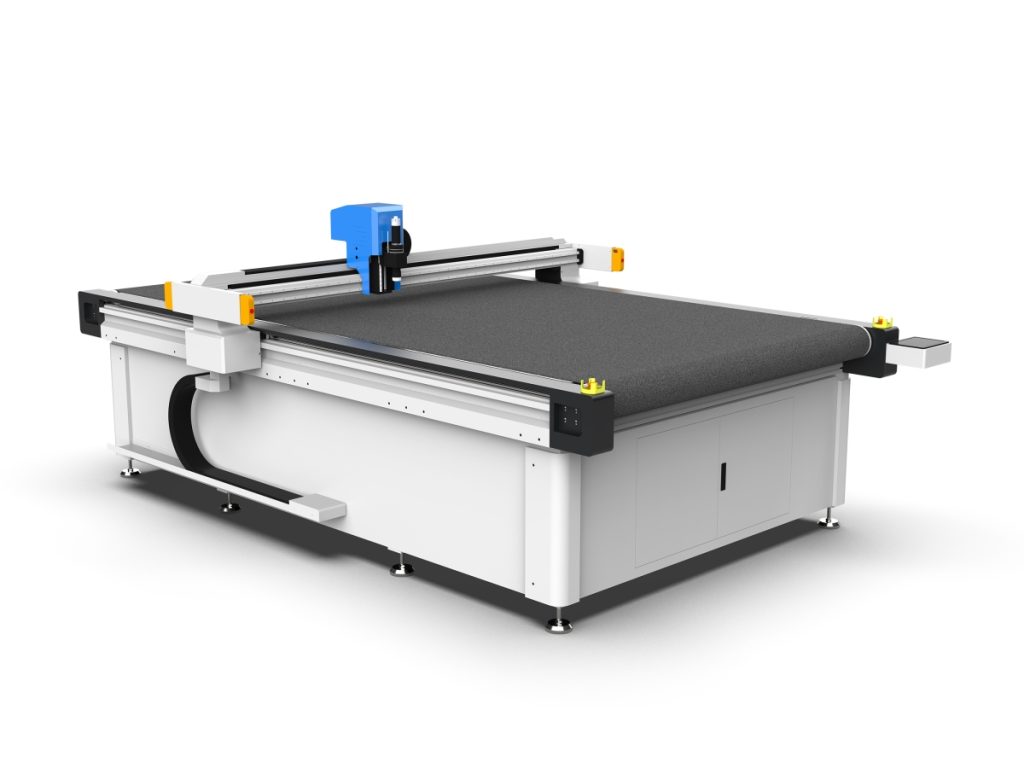
The oscillating knife is physical cutting, with no thermal effect and a clean cut edge; laser is thermal cutting, and flexible materials are prone to burning, hardening, and producing a smoky odor, with some materials releasing harmful gases.
Under what circumstances should the die cutting process be chosen?
Die cutting is suitable for large-volume production of a single pattern, with the optimal cost; however, the mold cost is high, the lead time is long, changing styles is inflexible, and it is uneconomical for multi-layer small-batch scenarios.
Why can’t PVC-containing materials be cut with laser?
Laser cutting of PVC-containing materials produces harmful gases, and the heat-affected zone causes the edges to burn and harden. Therefore, laser should be avoided, and oscillating knife physical cutting should be preferred.
Which cutting process should be preferred for sampling and small-batch production?
For sampling and small-to-medium batches, the oscillating knife should be preferred: no mold is required, style changes are flexible, and cut-section quality can be ensured, making it suitable for rapid response to multiple small-batch styles.
Can the oscillating knife and die cutting be used in combination?
Yes. Mature factories often use both together: sampling, repeat orders, and multiple small-batch styles go through the oscillating knife, while stable large orders for best-selling items go through die cutting. They are complementary rather than replacements.
Further Reading
- Causes of Accuracy Decline in Oscillating Knife Cutting Machines and Calibration Methods
- How Much Does an Oscillating Knife Cutting Machine Cost? Tiered Pricing and Configuration List
- Dingniu Successfully Exhibits at the 25th China International Leather Exhibition, Signing Contracts On-Site
Key Technical Parameters
- Oscillating knife cutting thickness range: 0.2-60 mm
- Typical thickness for laser cutting acrylic: 0.5-30 mm
- Die-cutting mold tooling cost range: 5000-50000 %
- Oscillating knife cutting accuracy: ±0.1 mm
- Laser cutting scorch rate for soft materials: 30 %