
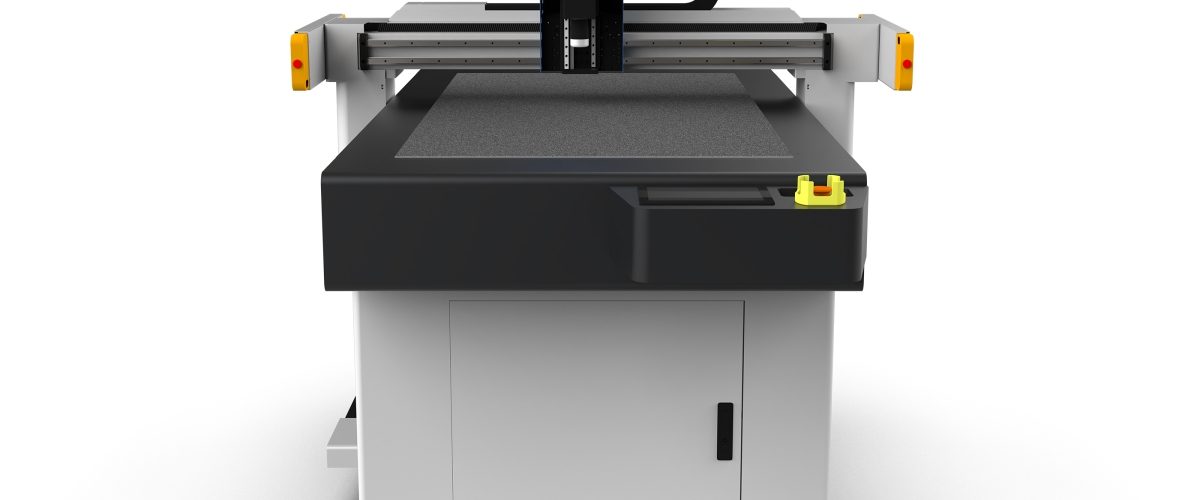
Carbon Fiber Prepreg Cutting Machine: A Practical Guide from Selection to Maintenance
Carbon fiber prepreg is made by combining carbon fiber with uncured resin (such as epoxy resin). It features high strength and lightweight properties and is widely used in aerospace, automotive, sports equipment, and other fields. Prepreg cutting is a key process in composite material forming, and its quality directly affects layup accuracy and final product performance. Traditional manual cutting has low efficiency and poor consistency, while a CNC cutting machine can significantly improve precision and efficiency. This article focuses on the technical parameters, selection, operation, and maintenance of carbon fiber prepreg cutting machines, providing practical reference.
1. Special Requirements for Prepreg Cutting
Prepreg has characteristics such as tackiness, resin easily sticking to the knife, fibers easily wearing the tool, and sensitivity to temperature. The cutting machine needs to meet the following requirements:
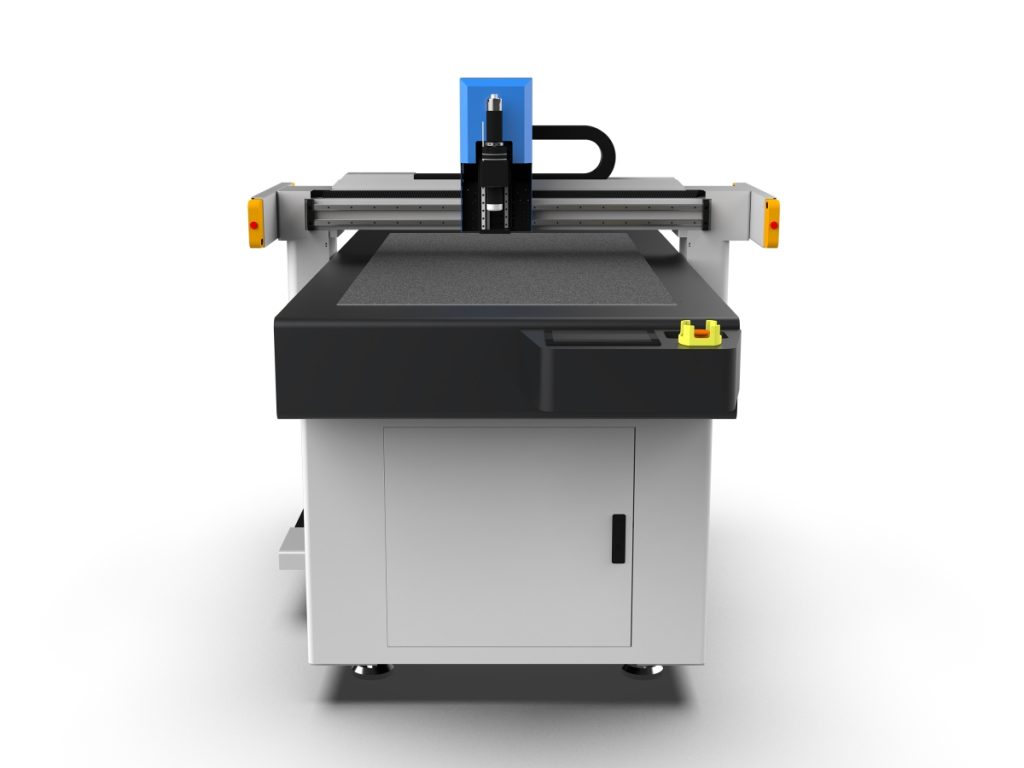
- Anti-stick tooling: The tool surface requires a special coating (such as Teflon) or heating to prevent resin adhesion.
- High precision: Cutting accuracy must reach within ±0.1mm to ensure the ply gaps meet the design.
- Low-temperature control: The temperature in the cutting area should preferably be controlled at 18-22°C to prevent premature resin curing.
- Dust removal and cleaning: Carbon fiber dust generated during cutting must be removed promptly to prevent contamination and health hazards.
II. Comparison of Mainstream Cutting Technologies
Based on the cutting principle, prepreg cutting machines are mainly divided into mechanical knife cutting, ultrasonic cutting, laser cutting, and high-pressure waterjet cutting. Their characteristics are compared as follows:
- Mechanical knife cutting: Uses carbide or ceramic blades, low cost, suitable for large-volume simple shapes; but the tool wears quickly and requires frequent replacement.
- Ultrasonic cutting: The blade vibrates at high frequency, reducing friction and resin adhesion, good cutting edge quality, suitable for complex contours; equipment cost is relatively high.
- Laser cutting: Non-contact, high precision, fast speed; but the laser may ablate the resin, creating a heat-affected zone, and the equipment is expensive, suitable for thin-layer prepreg.
- High-pressure waterjet: Cold cutting, no heat-affected zone, suitable for thick prepreg layers; however, wastewater treatment is required, and it may cause fiber edge burrs.
For most aerospace and automotive applications, ultrasonic cutting and mechanical knife cutting are the mainstream choices. Ultrasonic cutting is particularly suitable for multilayer prepreg and complex shapes, while mechanical knife cutting offers more advantages in cost-sensitive projects.
III. Interpretation of Key Performance Parameters
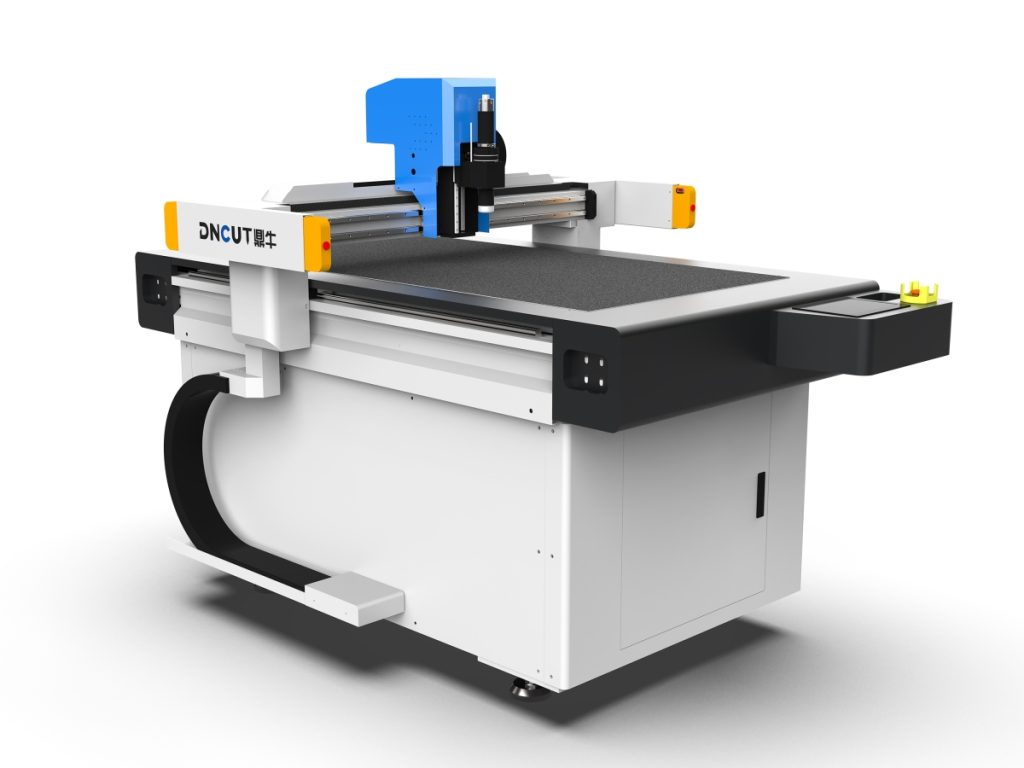
When selecting a cutting machine, pay close attention to the following parameters:
- Cutting accuracy: typically required to be ±0.1mm, high-precision equipment can reach ±0.05mm.
- Maximum cutting speed: mechanical knife can reach 60m/min, ultrasonic about 30m/min, laser can reach over 100m/min.
- Effective cutting area: common specifications are 1.6m×2.5m, 2m×3m, and can be customized according to the prepreg roll width.
- Tool life: Mechanical blades last approximately 500-1000 meters (depending on the material), while ultrasonic blades last longer.
- Control system: Must support CAD file import (DXF, DWG) and provide automatic nesting and path optimization functions.
- Vacuum suction platform: Ensures the prepreg is secured and prevents displacement during cutting; suction force typically needs to reach -0.08MPa or higher.
IV. Selection Key Points and Recommendations
Select the model reasonably according to production needs. You may refer to the following steps:
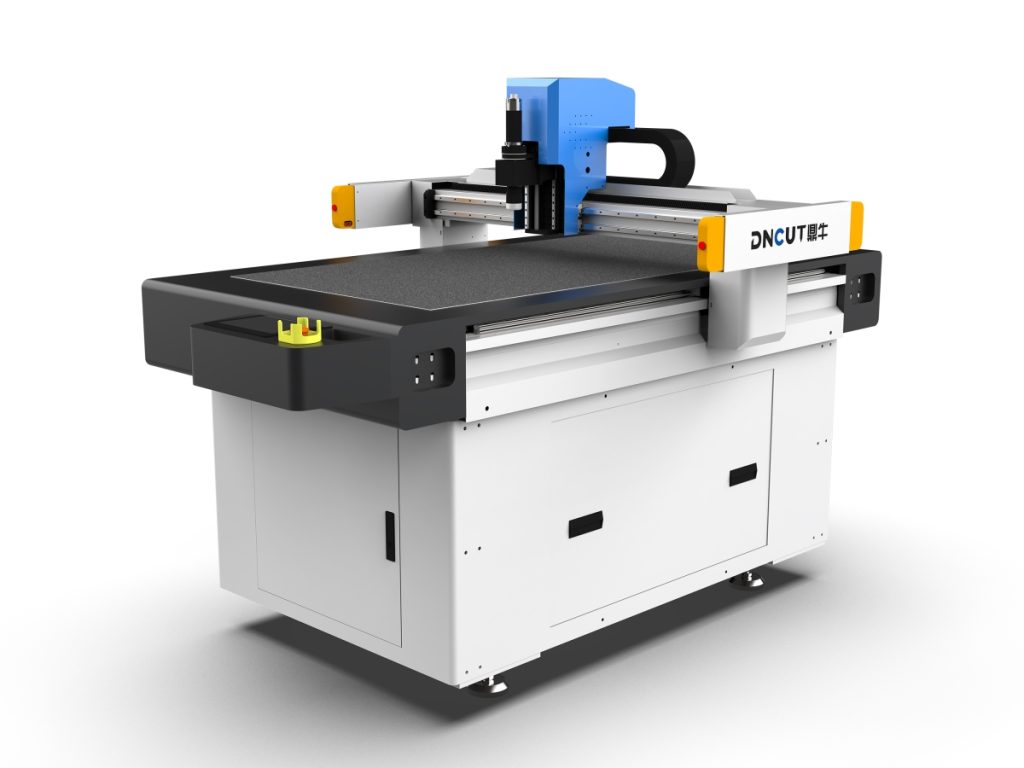
- Clarify material type and thickness: Single-layer prepreg thickness is typically 0.1-0.3mm; multi-layer stacked cutting requires consideration of cutting depth. Ultrasonic cutting is suitable for total thickness ≤10mm, while laser is suitable for ≤3mm.
- Evaluate production batch size: Small batches with multiple varieties are better suited to ultrasonic cutting due to its high flexibility; large batches with few varieties can consider mechanical knife cutting combined with an automatic tool change system.
- Consider environmental control: The equipment should have temperature and humidity monitoring interfaces, or be placed in a constant-temperature workshop (temperature 22±2℃, humidity 50±5%RH).
- Software compatibility: Ensure the cutting machine software can interface with common composite material design software (such as Fibersim, CATIA) to reduce conversion errors.
- After-sales service: Choose suppliers with local technical support capabilities to ensure blade supply and repair response times.
V. Operating Techniques and Quality Control
Proper operation and maintenance can extend equipment life and ensure cutting quality:
- Blade cleaning: Every 2-4 hours of cutting, wipe the blade with acetone or a dedicated cleaning agent to remove resin buildup.
- Parameter optimization: Adjust cutting speed and feed rate according to the tackiness of the prepreg; reduce speed when tackiness is high to avoid pulling fibers.
- Vacuum adsorption check: Check the sealing strips of the adsorption platform daily to ensure stable vacuum level and prevent material from sliding.
- Environmental control: Maintain workshop temperature at 18-22°C and humidity at 45-55%RH to prevent the prepreg from absorbing moisture or the resin from softening.
- First article inspection: After cutting each batch, measure key dimensions with a projector or caliper to ensure compliance with tolerances.
VI. Common Problems and Solutions
The following problems are commonly encountered in prepreg cutting:
- Burrs or fiber pulling at the cutting edge: Check blade sharpness and replace the blade; reduce the cutting speed; increase the ultrasonic amplitude (if applicable).
- Resin sticking to the blade: Use a Teflon-coated blade; raise the blade temperature to 40-50°C (equipment support required); reduce the number of layers cut at one time.
- Cutting dimension deviation: Calibrate the machine origin; check the drive belt tension; ensure the CAD file scale is correct.
- Material displacement: Increase the vacuum suction force; add hold-down rollers or tape to secure the edges.
VII. Maintenance Plan
Establishing a regular maintenance system can reduce downtime:
- Daily: Clean the blades and guide rails; check the vacuum adsorption performance; clear the waste collection bin.
- Weekly: Check the tension of the drive belts; lubricate the linear guide rails; calibrate the cutting head height.
- Monthly: Replace the filters (dust removal system); check the electrical connections; test the emergency stop function.
- Annually: Perform a full calibration of the equipment accuracy; replace worn guide rail sliders; evaluate the tooling inventory.
VIII. Safety and Environmental Protection Precautions
Carbon fiber dust may irritate the skin and respiratory tract. During cutting, a dust removal system (such as a HEPA filter) must be equipped, and operators should wear dust masks and gloves. When laser cutting, ensure the fume extraction system is effective to avoid accumulation of resin decomposition gases. Equipment should be well grounded to prevent static electricity buildup.
Summary: The selection of a carbon fiber prepreg cutting machine requires comprehensive consideration of material characteristics, production batch size, precision requirements, and environmental control. Proper operation and maintenance not only improve cutting quality but also extend equipment life. It is recommended to conduct material trial cuts before purchase to verify the actual performance of the equipment.