
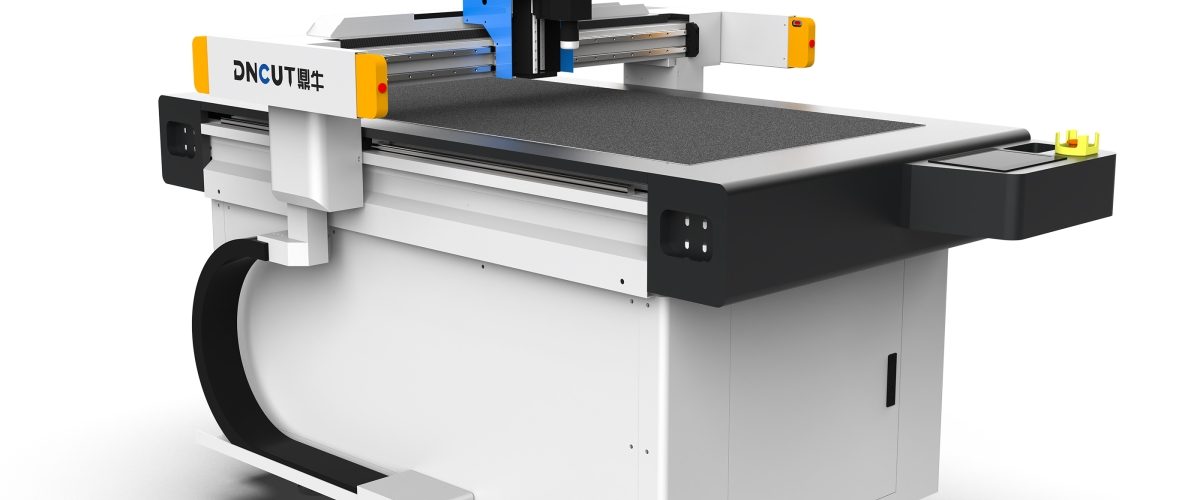
Fabric cutting machine: a complete guide from selection to efficient use
In industries such as textiles, apparel, home furnishings, and automotive interiors, fabric cutting is a key part of the production process. Traditional manual cutting relies on operator experience, resulting in low efficiency and poor consistency; modern fabric cutting machines, by contrast, use CNC technology, oscillating knives, or lasers to achieve high-precision, high-speed automated cutting. This article covers the types, core parameters, selection methods, operating techniques, and maintenance points of fabric cutting machines, providing practical reference for your equipment selection and production optimization.
1. Main types of fabric cutting machines and their application scenarios
Based on different cutting principles, fabric cutting machines are mainly divided into three types: oscillating knife cutting machines, laser cutting machines, and circular knife cutting machines. Each type has its advantages and disadvantages and is suited to different materials and production needs.
1. Oscillating knife cutting machine
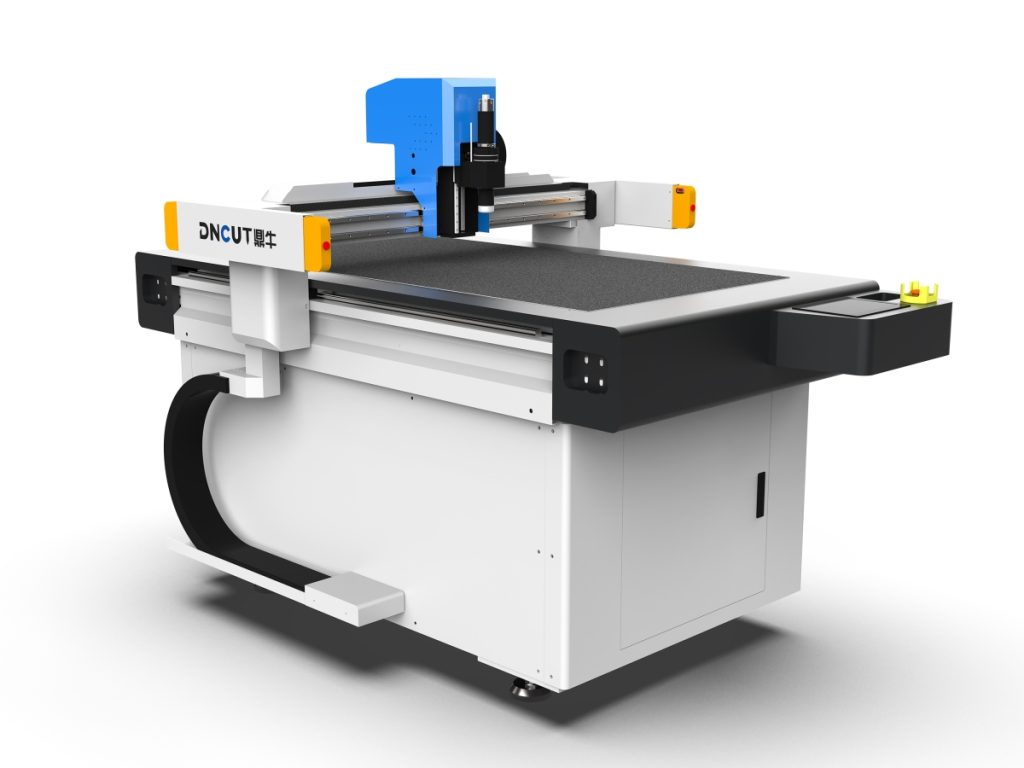
The oscillating knife cutting machine cuts with a high-frequency vibrating blade; the blade moves up and down, with an amplitude typically of 1-3mm and a frequency of up to several thousand times per minute. This cutting method produces almost no thermal effect on fabric, and the edges are neat, making it especially suitable for multi-layer fabric, composite materials, leather, plush, etc. The oscillating knife cutting machine is usually equipped with an automatic feeding system, a vacuum adsorption table, and CCD vision positioning, enabling high-precision marker cutting. Typical cutting thickness: up to 10mm for a single layer of fabric; for multi-layer cutting, 10-50 layers can be cut depending on the material. Cutting accuracy can reach ±0.1mm.
2. Laser cutting machine
Laser cutting machines use a high-energy laser beam to melt or vaporize materials, offering fast cutting speed and high precision, and are suitable for single-layer or thin-layer fabrics. However, because laser cutting produces a heat-affected zone that causes yellowed edges and melted edges, it is mostly used for chemical fiber fabrics or scenarios requiring edge sealing. Laser cutting machines are typically used for sampling, small-batch production, or fine pattern cutting. Cutting speed can reach tens of meters per minute, with positioning accuracy of ±0.05mm. It should be noted that laser cutting machines have poor cutting results on natural fibers such as cotton and linen, and generate smoke and dust, requiring an exhaust system.
3. Circular knife cutting machine
The circular knife cutting machine cuts with a high-speed rotating circular blade, suitable for cutting thicker flexible materials such as carpets, leather, and foam. The circular knife cutting machine has a simple structure and is easy to maintain, but its cutting accuracy is relatively low, and it is mostly used for rough cutting processes that do not require high precision. Common circular knife diameters are 100-200mm, and the cutting thickness can reach more than 20mm.
II. Interpretation of the Core Parameters of Fabric Cutting Machines
When purchasing a fabric cutting machine, you need to focus on the following parameters, as they directly determine the applicability and production efficiency of the equipment.
1. Cutting Accuracy
Cutting accuracy is usually expressed as ±mm and is a key indicator for evaluating cutting machine performance. High-precision cutting machines (such as oscillating knife models) can reach ±0.1mm, suitable for garments, automotive interiors, and other applications with strict dimensional requirements. Laser cutting machines can achieve accuracy up to ±0.05mm, but thermal effects need to be considered. The accuracy of circular knife cutting machines is generally around ±0.5mm.
2. Maximum cutting thickness
Maximum cutting thickness determines the number of material layers or thickness that can be cut in a single pass. For oscillating knife cutting machines, depending on the material, single-layer cutting thickness can reach 10mm; for multi-layer cutting, it depends on the material, and typically 10-50 layers of fabric can be cut. Laser cutting machines are suitable for single-layer thin materials, with thickness generally not exceeding 5mm. Round knife cutting machines can cut thick materials of 20mm or more.
3. Working table size
The working table size determines the maximum working area that can be processed. Common table widths are 1.6m, 2.0m, and 2.5m, and the length can be customized according to requirements, such as 3m, 6m, or even longer. When selecting, the width of raw materials and layout requirements should be considered to avoid waste.
4. Cutting speed
Cutting speed affects production efficiency. The cutting speed of oscillating knife cutting machines is typically 10-30m/min, while laser cutting machines can reach over 60m/min. However, the actual speed is affected by materials, pattern complexity, and acceleration. High-speed models require high-performance servo motors and a stable mechanical structure.
5. Control System and Software
Modern fabric cutting machines usually adopt CNC systems and support importing DXF, PLT, and other format files via CAD/CAM software. High-end models are equipped with functions such as automatic layout, intelligent nesting, and CCD vision recognition, which can greatly improve material utilization. The operation interface should be user-friendly and support multiple languages, making it easy for workers to get started quickly.
6. Vacuum Adsorption System
The vacuum adsorption system is used to secure the fabric and ensure the material does not shift during the cutting process. The adsorption force is usually expressed as a negative pressure value, such as -0.06MPa to -0.08MPa. For highly breathable fabrics, it is necessary to choose a model with stronger adsorption force or adopt zoned adsorption.
III. How to Choose a Suitable Fabric Cutting Machine
Model selection requires comprehensive consideration of factors such as material characteristics, production scale, precision requirements, and budget. The following steps can help you make a decision.
1. Clarify the Material Type and Thickness
Different materials are suitable for different cutting methods. For example, chemical fiber fabrics can use laser cutting machines to achieve sealed edges; natural fibers such as cotton, linen, and wool are recommended to use oscillating knife cutting machines; for multi-layer cutting, oscillating knife models are preferred; thick materials such as carpets and leather can be considered for circular knife cutting machines.
2. Determine production batch and efficiency requirements
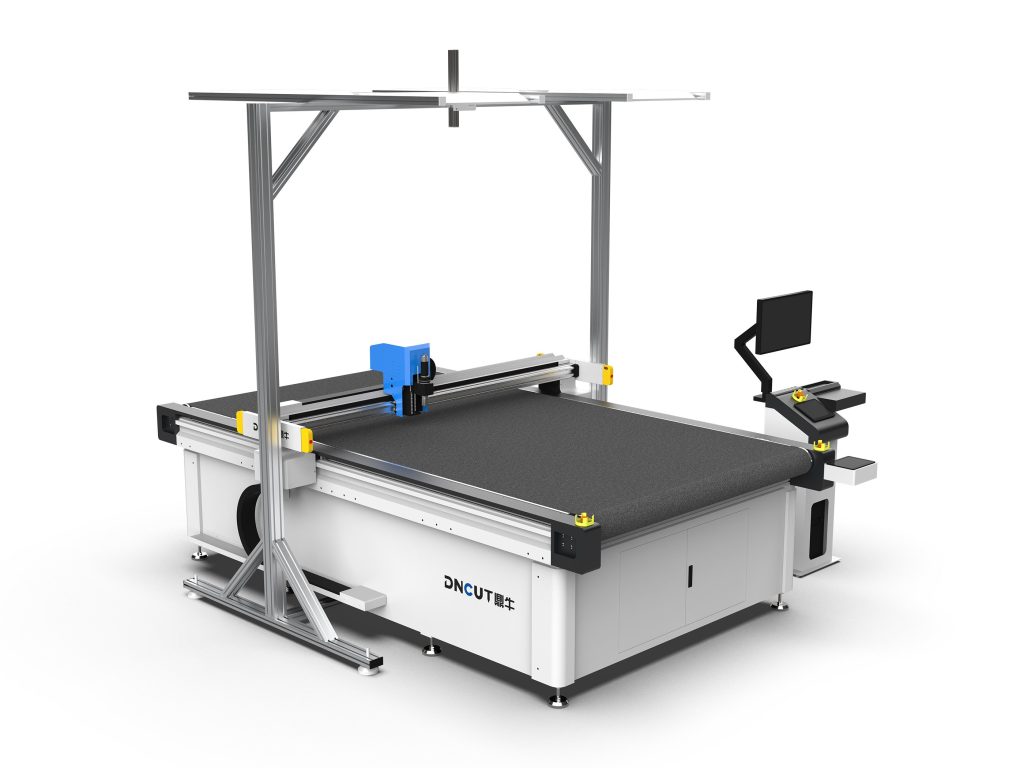
For mass production, choose models with a high degree of automation and fast cutting speed, such as oscillating knife cutting machines equipped with automatic feeding and nesting software. For small-batch, multi-variety production, laser cutting machines can be considered due to their flexibility in switching layouts.
3. Evaluate precision requirements
For industries with high dimensional precision requirements such as apparel and automotive interiors, choose models with precision within ±0.1mm. Industries such as advertising and home decoration have relatively looser precision requirements and can choose more cost-effective models.
4. Consider software and after-sales service
The software ease of use and feature richness of the cutting machine directly affect production efficiency. Choose suppliers that provide continuous software upgrades and training. At the same time, after-sales service response speed and spare parts supply capability are also important considerations.
5. Budget and return on investment
The price of fabric cutting machines ranges from tens of thousands to hundreds of thousands of yuan. In addition to the equipment itself, installation, training, consumables, and maintenance costs must also be considered. By improving material utilization and reducing labor, the investment can usually be recovered within 1-2 years.
IV. Operating Techniques and Best Practices for Fabric Cutting Machines
Proper operation and maintenance can extend equipment lifespan and ensure cutting quality. Here are some practical tips.
1. Material Preprocessing
Before cutting, ensure the fabric is flat and wrinkle-free. For materials prone to curling, pre-shrinking or setting treatment can be performed first. When cutting multiple layers, the fabric must be stacked neatly and the edges secured with clips.
2. Parameter Setting Optimization
Adjust the cutting speed, blade frequency, and suction force according to material thickness and characteristics. For example, when cutting thick materials, reduce the speed and increase the blade frequency; when cutting thin materials, increase the speed and reduce the suction force to avoid deformation. It is recommended to perform a small sample test first.
3. Blade Selection and Replacement
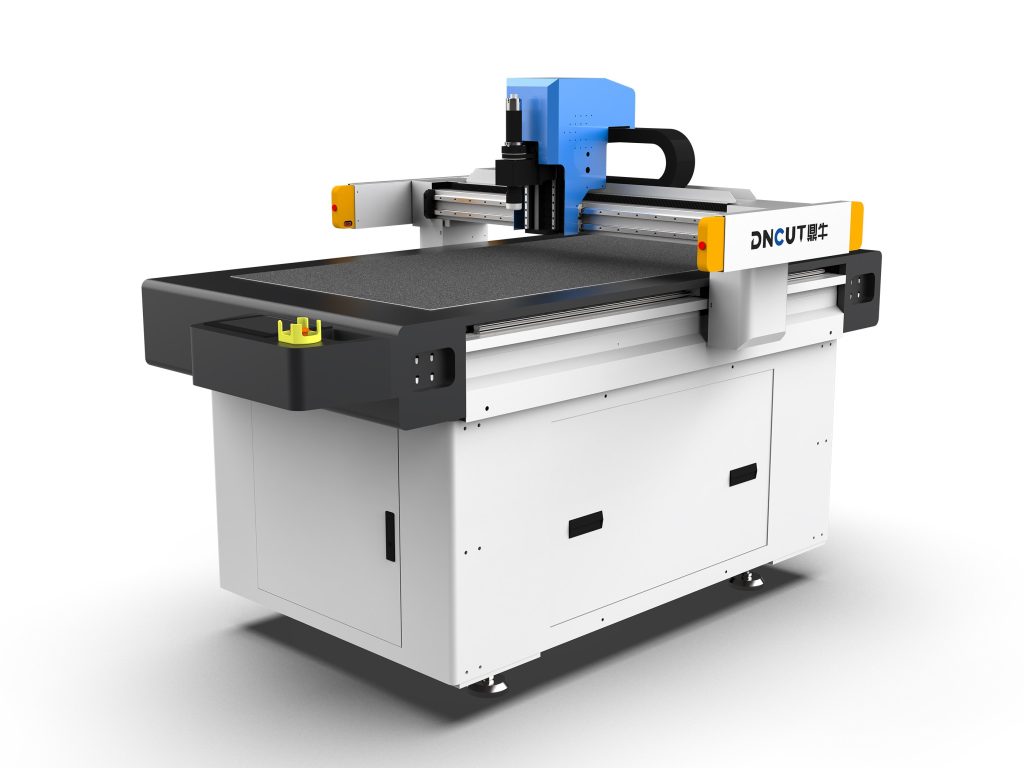
Oscillating knife blades come in various shapes (such as pointed blades, round blades, and serrated blades) and should be selected according to the material. Blades should be replaced promptly once worn, typically every 80-100 hours of cutting or when rough cut edges are noticed. Laser cutting machines require regular lens cleaning and inspection of the optical path.
4. Layout and Marker Making
Using the built-in layout function of the cutting software, or importing an optimized plan generated by professional layout software, can significantly improve material utilization. For patterned fabrics, pattern matching and alignment must be considered; a CCD vision positioning system can automatically identify pattern positions.
5. Safe Operation
Operators must be trained and familiar with the location of the emergency stop button. Hands must not be placed into the cutting area while the equipment is running. Protective goggles must be worn when operating laser cutting machines, and the fume extraction system must be ensured to be working properly.
V. Daily Maintenance and Troubleshooting
Regular maintenance is key to ensuring the stable operation of the cutting machine. The following maintenance plan can be used as a reference.
1. Daily inspection
Clean the table and guide rails, check whether the blade is loose or damaged, confirm the sealing of the vacuum system, and clean the dust collection box.
2. Weekly maintenance
Lubricate the guide rails and lead screws, check belt tension, clean the laser lenses (laser models), and test the emergency stop function.
3. Monthly maintenance
Check electrical connections, clean dust from the control cabinet, calibrate sensors, and replace worn blades and carbon brushes (if any).
4. Common troubleshooting
Uneven cutting edges: check blade sharpness and vacuum force; cutting dimension deviation: check guide rail accuracy and software compensation settings; equipment alarms: refer to the manual for the corresponding codes and contact technical support.
VI. Conclusion
The fabric cutting machine is an important tool for improving production efficiency and product quality. By understanding the characteristics, core parameters, and selection methods of different types of equipment, combined with proper operation and maintenance, you can fully leverage equipment performance and reduce production costs. When purchasing, it is recommended to compare different brands and models, and if necessary, bring material samples for trial cutting, using the actual results as the basis for your final decision.