
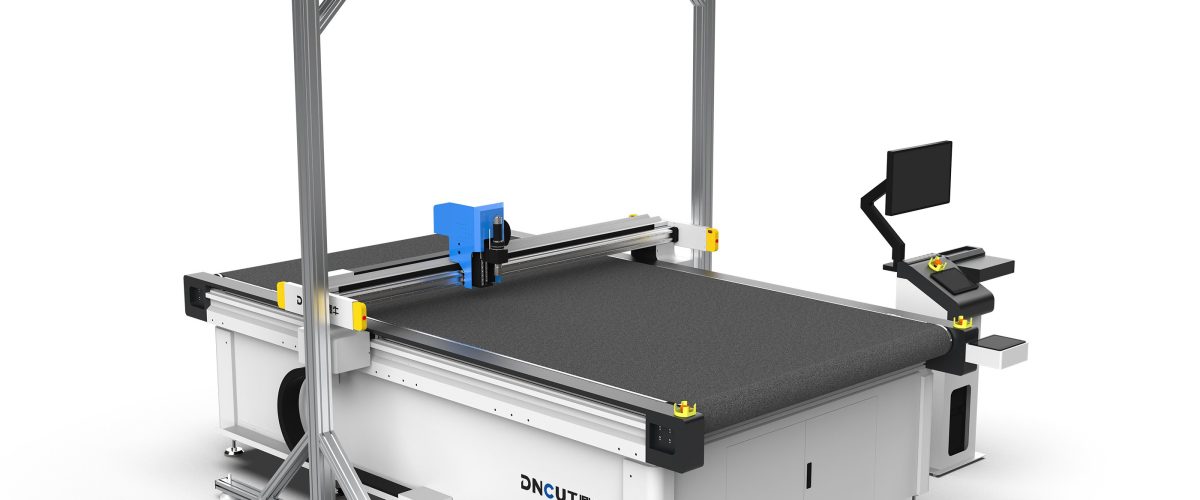
[Maintenance of the vacuum adsorption and air circuit system of the oscillating knife cutting machine] is key work to ensure the cutting accuracy of flexible materials and the stable operation of the equipment,covering the periodic inspection and maintenance of vacuum pumps,filters,sealing strips,
pipelines and vacuum generators.
Key points for maintenance of the vacuum adsorption and air circuit system of the oscillating knife cutting machine
When the oscillating knife cutting machine cuts flexible materials, the vacuum adsorption system is responsible for firmly fixing the material on the cutting platform to ensure cutting accuracy.The air circuit system provides power for cylinders, vacuum generators, etc.
Improper maintenance will lead to problems such as reduced adsorption force, cutting deviation, and equipment downtime.
Based on actual maintenance experience, this article summarizes the key maintenance points of the vacuum adsorption and air circuit system for the reference of equipment operators and maintenance personnel.
Daily inspection and maintenance of vacuum pumps
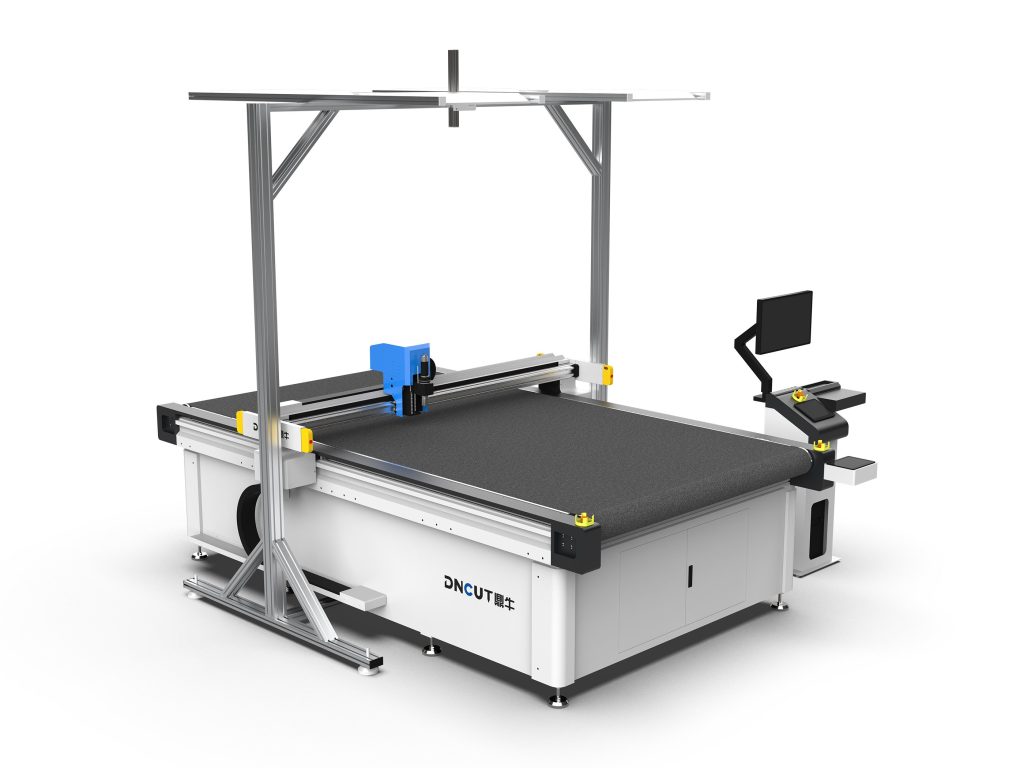
The vacuum pump is the core of the adsorption system, and common types are rotary vane or dry claw pumps. The maintenance quality of the vacuum pump directly determines the stability of the adsorption system, and operators need to carry out various inspections on a periodic basis.
- Oil level and oil quality inspection (oil-lubricated pumps): Check the oil level weekly, which should be near the center line of the oil sight glass.If the oil turns black or emulsifies, it must be replaced immediately.
- Usually, the vacuum pump oil is replaced every 500 hours of operation, using the specified grade (such as ISO VG100).
- Exhaust filter cleaning: Check the exhaust filter monthly. If dust accumulation is serious, blow it off from the inside out with compressed air (pressure ≤0.3MPa), or replace the filter element. Poor exhaust will cause the pump temperature to rise and the pumping speed to decrease.
- Cooling system inspection: For air-cooled pumps, ensure the heat sink is clean and clean the dust with compressed air every quarter; for water-cooled pumps, check the cooling water flow rate (recommended ≥2L/min) and water temperature (≤30℃).
- Operating sound and vibration: Listen to the operating sound of the pump daily. Abnormal noise may indicate bearing wear or blade damage, and the machine should be stopped for maintenance in time.
Maintenance of vacuum filters
Vacuum filters are used to intercept dust and debris generated by cutting and prevent dust and debris from entering the vacuum pump. The maintenance of vacuum filters focuses on differential pressure monitoring and filter element cleaning.
- Differential pressure monitoring: Install a differential pressure gauge at the inlet and outlet of the filter.When the differential pressure exceeds 0.05MPa, the filter element needs to be cleaned or replaced.
- If there is no differential pressure gauge, check the filter element once a week and observe its light transmittance with a flashlight.
- Cleaning method: Remove the filter element, blow it off from the inside out with compressed air (pressure ≤0.2MPa), or rinse it with clean water (only for washable filter elements), and put it back after thorough drying. Paper filter elements cannot be washed with water.
- Replacement cycle: Depending on the frequency of use, generally replace the filter element every 3 months; if the cutting material generates a lot of dust, shorten it to 1 month.
Inspection of sealing strips and adsorption platform
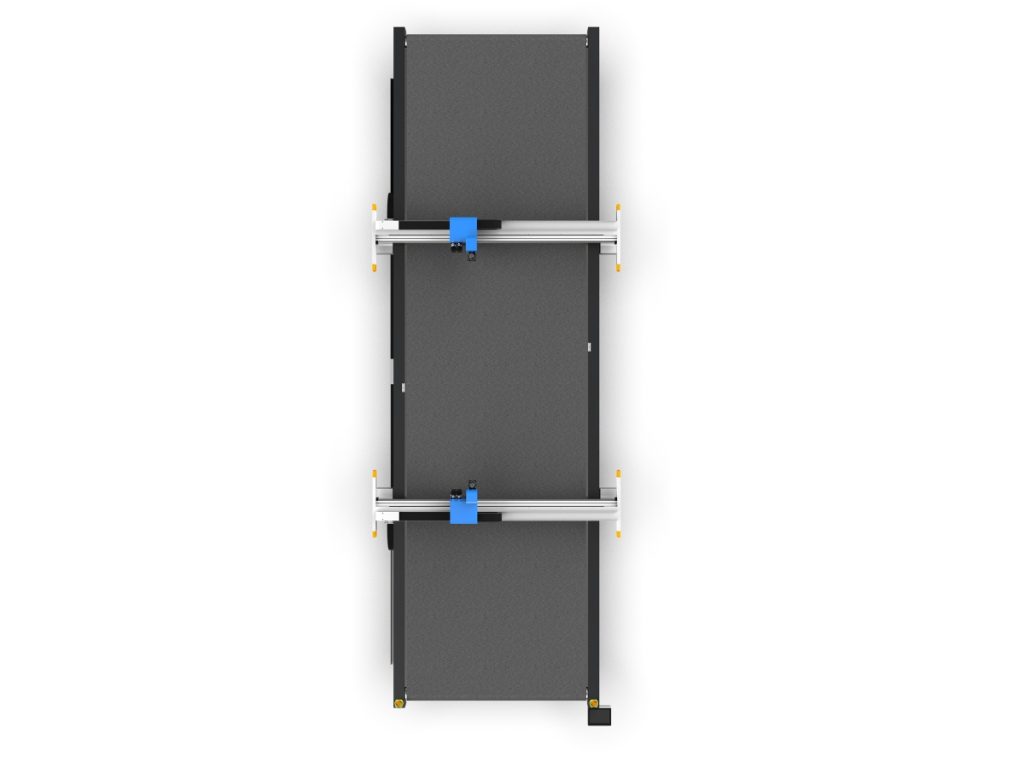
The sealing strips around the suction platform and the breathable plate on the platform surface directly affect the suction effect. The condition of the sealing strips and breathable plate should be checked at graded intervals from weekly to quarterly.
- Sealing strip integrity: Check weekly whether the sealing strips are aged, cracked, or detached. Minor wear can be repaired with silicone sealant; replace if severe. The compression of the sealing strip should be maintained at 20%-30% to ensure a proper fit.
- Platform surface cleaning: After work each day, use a vacuum cleaner to remove debris from the platform surface to avoid clogging the breathable holes. The breathable plate (usually felt or sintered plate) should be removed and cleaned quarterly, soaked in neutral detergent, and then air-dried.
- Suction force test: Measure the vacuum degree of each area of the platform monthly with a vacuum gauge; it should normally be between -60kPa and -80kPa. If the vacuum degree in a certain area is noticeably low, check whether the sealing strip or breathable plate in that area is damaged.
Maintenance of the air circuit piping
The air circuit piping includes vacuum piping and compressed air piping; common problems are leakage and blockage. Maintenance of the air circuit piping should cover leak inspection, piping cleaning, hose replacement, and filter-regulator maintenance.
- Leak inspection: Apply soapy water monthly to all joints, valves, and hose connections and observe whether bubbles appear. Tighten or replace seals immediately if a leak is found. Vacuum piping leaks will reduce suction force, and compressed air leaks will increase energy consumption.
- Piping cleaning: Every six months, disassemble the piping and blow out the interior with compressed air to remove accumulated dust. If there is oil contamination inside the piping, clean it with neutral detergent and dry it thoroughly.
- Hose replacement: Check the hoses for cracks, hardening, or flattening; generally replace them every 2 years, or earlier depending on actual condition.
- Filter and pressure reducing valve: For the filter-regulator in the compressed air piping, clean the filter cup quarterly and check the pressure reducing valve setting (usually 0.5-0.6MPa) to ensure stability.
Maintenance of the vacuum generator and maintenance plan
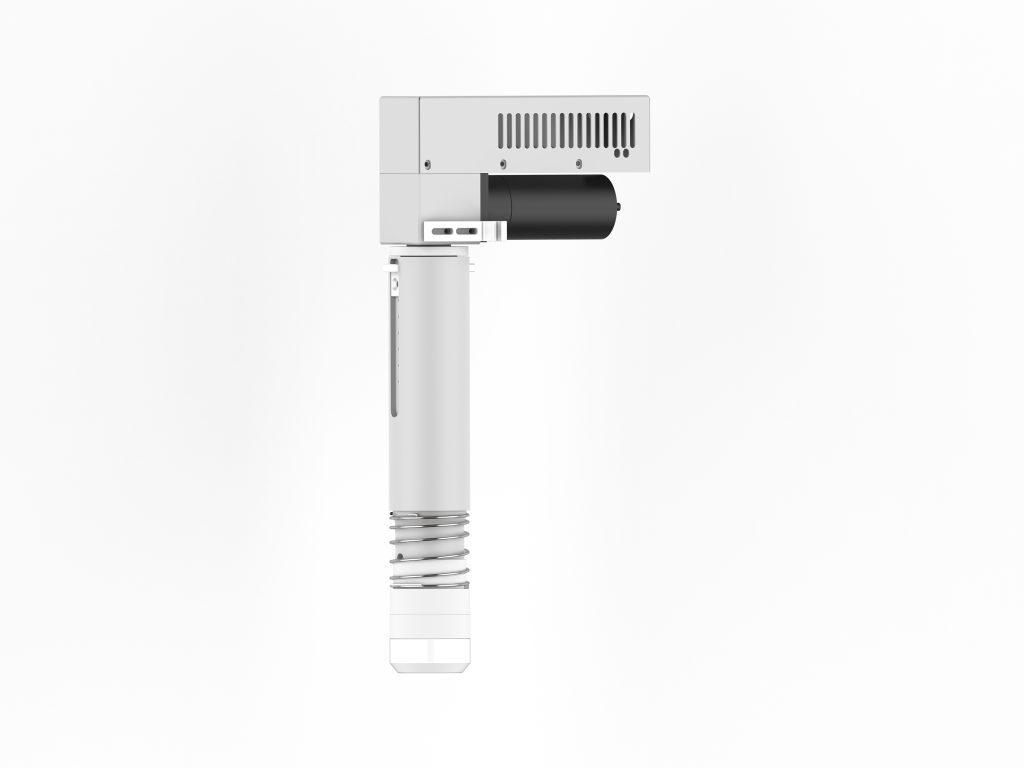
Some equipment uses a vacuum generator to produce negative pressure. Maintenance of the vacuum generator should focus on inlet pressure, silencer, and nozzle. At the same time, operators should establish daily and periodic maintenance plans to prevent failures.
Maintenance of the vacuum generator (if used)
- Air inlet pressure check: Ensure the compressed air pressure is within the range of 0.4-0.6MPa; too low a pressure will result in insufficient suction capacity.
- Silencer cleaning: Remove the silencer every month and blow it clean with compressed air to prevent clogging that affects exhaust.
- Nozzle check: Check the nozzle every six months for wear or clogging; it can be cleared with a fine needle, and replaced if severely worn.
Daily and Periodic Maintenance Plan
- Daily: Check the vacuum pump oil level (oil-lubricated pumps), clean the platform surface, and listen to the pump’s operating sound.
- Weekly: Check the sealing strips, clean the filter (as needed), and test the suction force.
- Monthly: Check for pipeline leaks, clean the exhaust filter, and inspect the vacuum generator.
- Quarterly: Replace the vacuum pump oil (or every 500 hours), clean the breather plate, and check the pressure reducing valve.
- Every six months: Perform a comprehensive inspection of the air lines, replace worn hoses, and service the vacuum pump.
Record the content of each maintenance session and any problems found, to facilitate tracking of equipment status.
Common Troubleshooting and Safety Precautions
Operators need to master the troubleshooting directions for common faults such as insufficient suction force, vacuum fluctuations, vacuum pump overheating, and abnormal noise. Maintenance work must also comply with safety requirements for electricity, gas, and environmental protection.
| Fault Symptom | Possible Cause | Corrective Measure |
|---|---|---|
| Insufficient suction force | Abnormal vacuum pump oil level, clogged filter, pipeline leak, damaged sealing strip | Check the vacuum pump oil level, whether the filter is clogged, whether the pipeline leaks, and whether the sealing strip is intact; eliminate them one by one |
| Vacuum fluctuation | Worn vacuum pump vanes or foreign matter in the pipeline | Service the pump or clean the pipeline |
| Vacuum pump overheating | Abnormal cooling system, clogged exhaust filter, deteriorated oil | Check the cooling system, whether the exhaust filter is clogged, and whether the oil has deteriorated |
| Abnormal noise | Foreign matter inside the pump, damaged bearings | Check whether there is foreign matter inside the pump and whether the bearings are damaged; stop the machine for repair promptly |
Safety Precautions
- Before maintenance, be sure to cut off the power supply and air source, and release the residual pressure in the pipeline.
- When blowing with compressed air, wear goggles, and the pressure must not exceed 0.3MPa.
- When replacing the vacuum pump oil, wait until the pump has cooled to room temperature to avoid burns.
- Dispose of waste oil and filter elements in accordance with environmental protection requirements.
Through systematic maintenance, the vacuum adsorption and air path system can maintain stable operation, reduce downtime, and extend equipment life. It is recommended to formulate suitable maintenance procedures based on the equipment manual and actual working conditions.
Key Points
- Replace the vacuum pump oil every 500 operating hours; the oil level should be near the center line of the sight glass, using ISO VG100 grade.
- When the vacuum filter pressure difference exceeds 0.05MPa, the filter element needs to be cleaned or replaced, generally every 3 months.
- The vacuum degree of the adsorption platform should normally be between -60kPa and -80kPa, and the compression of the sealing strip should be maintained at 20%-30%.
- Check the air circuit for leaks every month with soapy water; the set value of the compressed air pressure reducing valve is usually 0.5-0.6MPa.
- The inlet pressure of the vacuum generator needs to be 0.4-0.6MPa; clean the muffler every month and check the nozzle every six months.
- Before maintenance, the power supply and air source must be cut off and residual pressure released; the compressed air blowdown pressure must not exceed 0.3MPa.
Frequently Asked Questions
How often should the vacuum pump oil be changed?
The vacuum pump oil is usually changed every 500 operating hours; when the oil turns black or emulsifies, it must be changed immediately, and the specified ISO VG100 grade should be used.
What is considered a normal vacuum degree for the adsorption platform?
The vacuum degree in each area of the adsorption platform should normally be between -60kPa and -80kPa. If it is noticeably low, check the sealing strip or the breathable plate.
When does the vacuum filter element need to be cleaned or replaced?
When the vacuum filter pressure difference exceeds 0.05MPa, the filter element needs to be cleaned or replaced, generally every 3 months, shortened to 1 month when there is a lot of dust.
How should air circuit pipeline leaks be checked?
Check the air circuit pipeline for leaks every month by applying soapy water to joints, valves, and hose connections and observing for bubbles; if a leak is found, tighten or replace the seal immediately.
What safety precautions apply to maintenance work?
Before maintenance, be sure to cut off the power supply and air source and release residual pressure; the compressed air blowdown pressure must not exceed 0.3MPa, and safety goggles must be worn.