
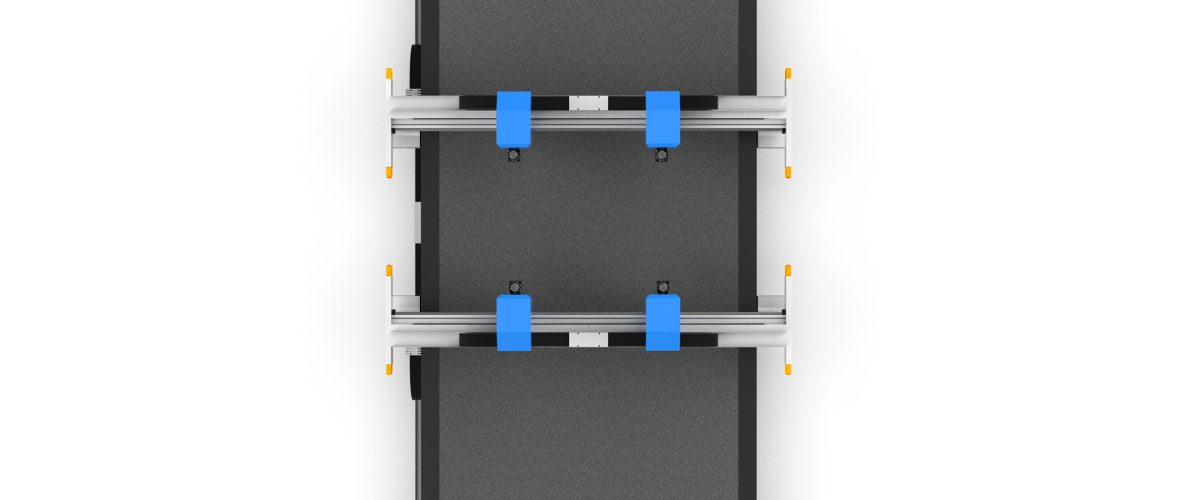
What is a coil car mat cutting machine?
The coil car mat cutting machine is a CNC device specially used for cutting coil materials (such as PVC coil, nylon coil, etc.), and is widely used in the production of car mats, household floor mats, and commercial floor mats. Through a high-frequency oscillating knife or rotary blade, combined with a precise CAD/CAM system, it achieves rapid cutting of complex patterns, with neat cuts and no burrs, and does not damage the backing material.
Analysis of core technical parameters
When purchasing a coil car mat cutting machine, you need to focus on the following parameters:
- Cutting accuracy: Typically required to be within ±0.1mm to ensure the edges of the foot mats match the vehicle models.
- Maximum cutting speed: Depending on material thickness and pattern complexity, generally between 800-1200mm/s.
- Cutting thickness: Common thickness of wire loop foot mats is 10-30mm, and the equipment must support a cutting capacity of at least 30mm.
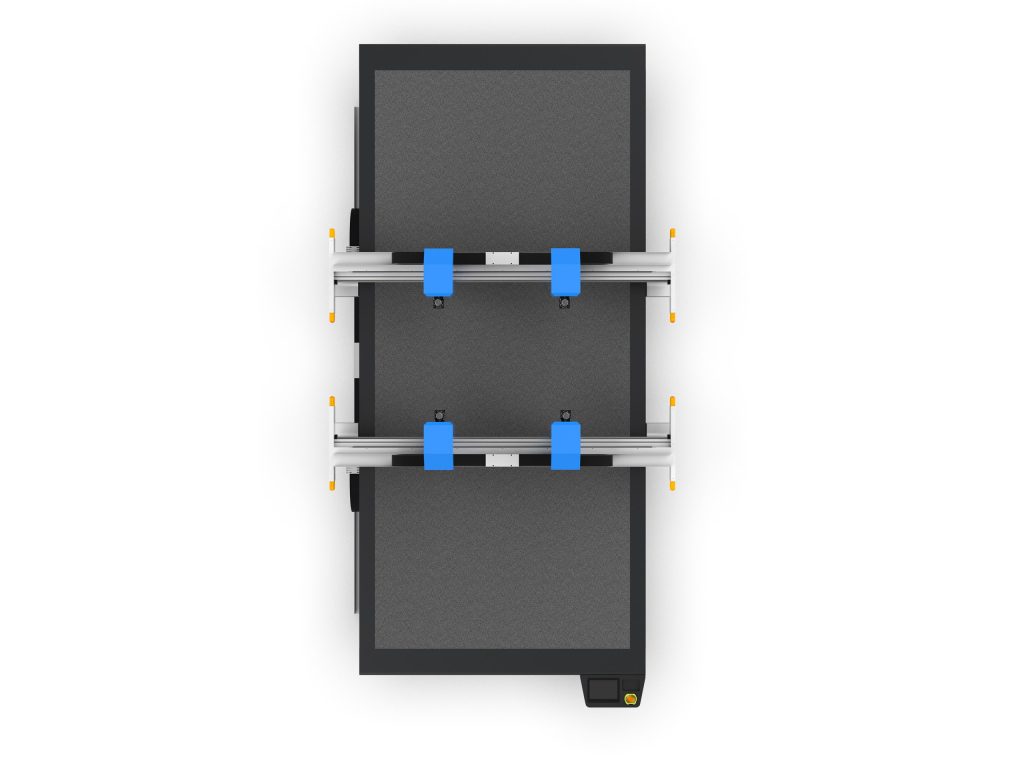
- Working table size: Standard models are 1600mm×2500mm, with larger sizes customizable to accommodate mass production.
- Vibration frequency: High-frequency oscillating knife (10,000-20,000 times per minute) can effectively reduce cutting resistance and improve cut quality.
- Control system: Servo motors + linear guides are recommended, combined with professional cutting software that supports automatic nesting and path optimization.
How to Choose the Right Cutting Machine for Coil Car Mats
1. Determine the Machine Model Based on Production Requirements
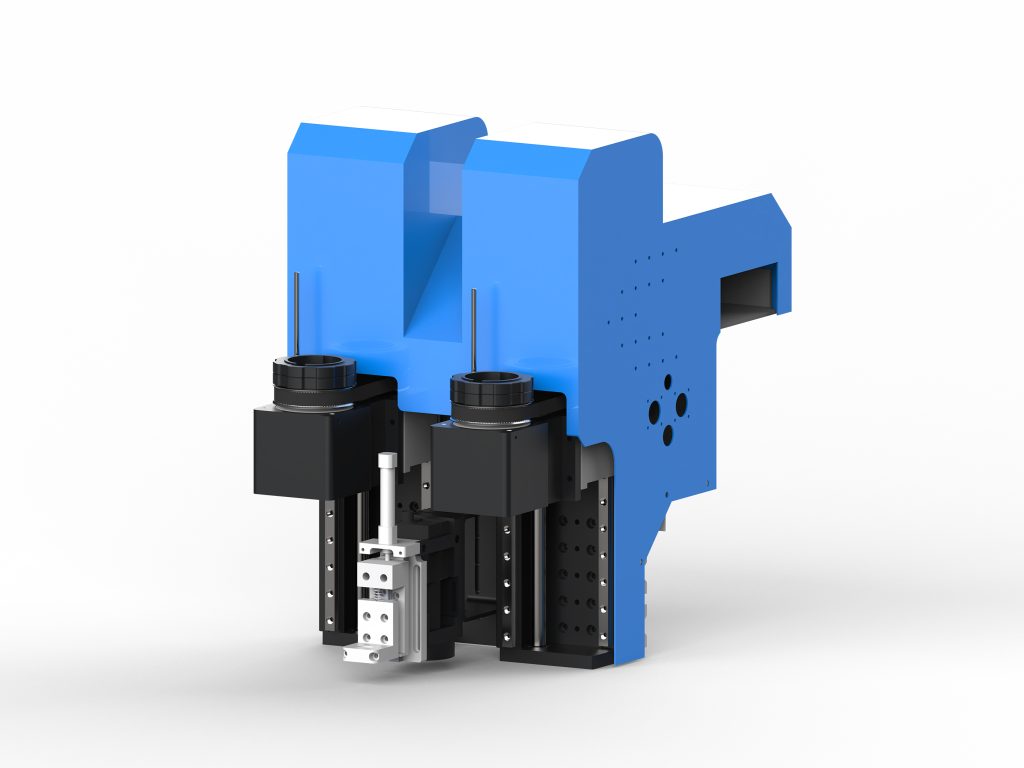
For small-batch, multi-variety production, a flatbed cutting machine can be selected for convenient tool changes; for large-batch continuous production, it is recommended to choose a model with an automatic feeding system to reduce loading and unloading time. If coil car mats with a backing need to be cut, equipment equipped with dual tool heads (oscillating knife + circular knife) should be selected to process the top layer and bottom layer separately.
2. Pay Attention to the Tool System
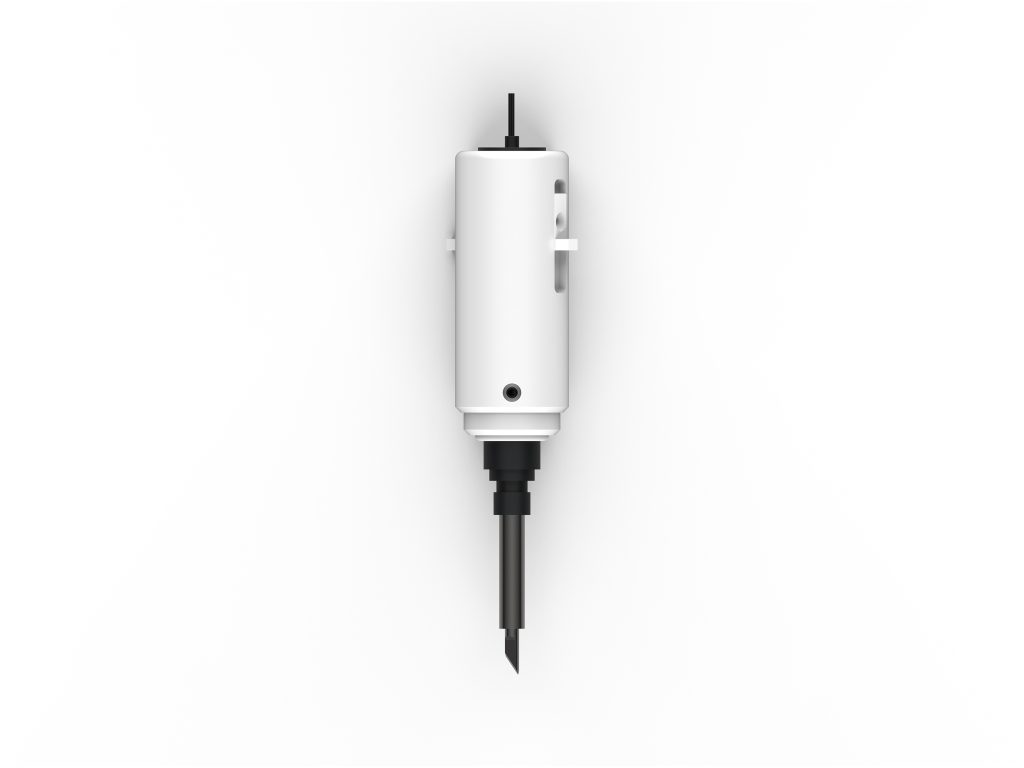
Coil material has the characteristics of high elasticity and easy deformation, so a high-frequency oscillating knife is recommended, as the material is not prone to shifting during cutting. For coil mats with adhesive backing, pneumatic knives or ultrasonic knives can be selected to avoid adhesive layer sticking. Attention should also be paid to the tool cooling method; an air-cooling system can extend tool life.
3. Software and automation features
Excellent cutting software should support common formats such as DXF and PLT, and offer functions including automatic contour recognition, intelligent nesting, and path optimization. Automatic nesting can save 5%-10% of material. In addition, the CCD vision positioning system enables precise alignment, making it suitable for cutting printed loop-pile foot mats.
Operating Tips and Parameter Settings
1. Material Fixation
Loop-pile material has a rough surface and tends to slide. It is recommended to use a vacuum adsorption table and ensure uniform suction force. For highly breathable loop-pile material, a layer of film can be placed underneath the material to enhance the adsorption effect.
2. Cutting parameter adjustment
Initial parameters for reference: oscillation frequency 15000 times/min, cutting speed 800mm/s, knife pressure 0.3-0.5MPa. Actual settings need fine-tuning based on material density and thickness. When cutting thicker loop pile, reduce speed to 500mm/s and increase knife pressure to avoid incomplete cuts.
3. Blade Maintenance
Check blade wear every 8 hours of cutting. If burrs appear at the cut edge or pulling force increases noticeably, replace the blade promptly. Oscillating blades can generally be sharpened 2-3 times, but the edge angle must remain consistent.
Common Issues and Solutions
- Uneven cuts: Check whether the blade is sharp, whether the oscillation frequency is sufficient, and whether the vacuum hold-down is secure.
- Material displacement: Increase the vacuum suction force, or use clamps to help secure the material.
- Slow cutting speed: Optimize the cutting path to reduce idle travel; check whether the servo motor parameters match.
- Short blade life: Reduce the cutting speed, use a cooling system, and avoid cutting impurities of excessive hardness.
Maintenance key points
Clean the table and guide rails daily, check the tension of the drive belt weekly, and lubricate the linear guide rails and lead screw monthly. Calibrate cutting accuracy regularly and use standard test patterns to check dimensional deviations. When not in use for a long time, release the tool clamping device to prevent deformation.
Summary
The selection of a cutting machine for coil car mats requires comprehensive consideration of material characteristics, production scale, and accuracy requirements. Correct operation and maintenance can not only extend equipment life but also significantly improve cutting quality and efficiency. It is recommended to conduct material test cuts before purchase to verify the actual performance of the equipment.