
What is an electronic cutting machine?
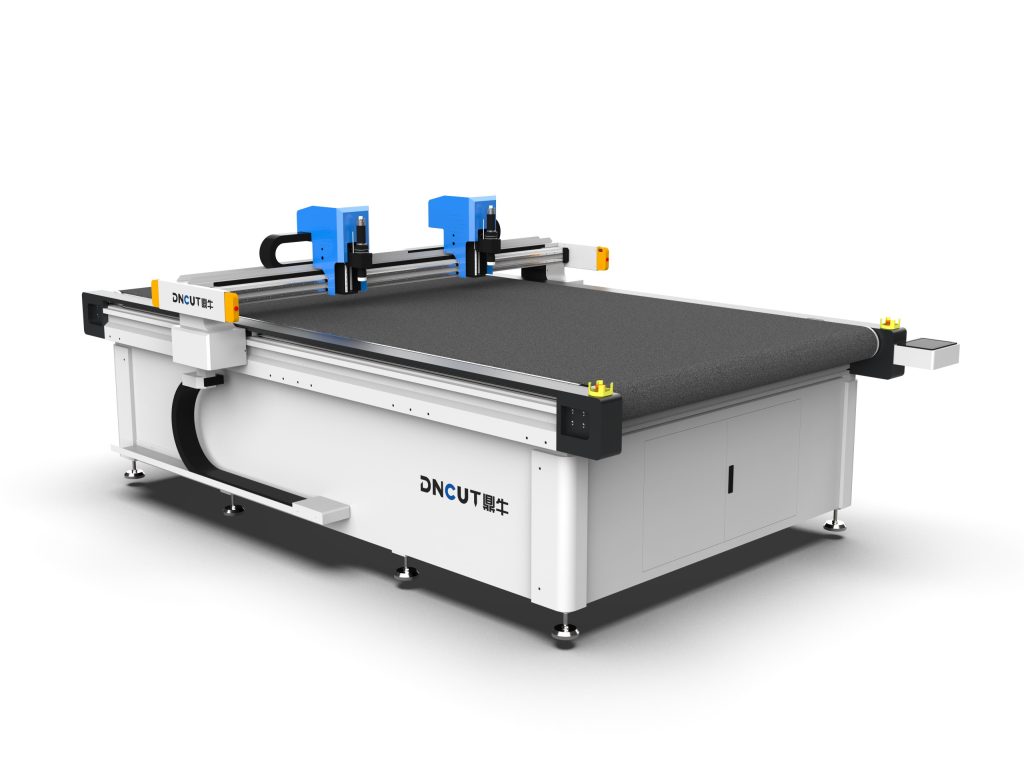
An electronic cutting machine (also known as a CNC oscillating knife cutting machine) is a digital device that uses high-frequency oscillating blades to cut flexible materials under computer control. It is widely used in automotive interiors, advertising and packaging, garment and textile, and composite materials industries, and can precisely cut materials such as leather, fabric, foam, corrugated paper, and carbon fiber prepreg. Compared with laser cutting, the electronic cutting machine has no heat-affected zone and is more suitable for temperature-sensitive materials.
Core components and working principle
An electronic cutting machine mainly consists of the machine bed, beam, oscillating knife head, control system, vacuum adsorption table, and feeding system. During operation, CAD/CAM software converts the design drawing into cutting paths, and the control system drives servo motors to move the knife head in the X/Y directions, while the blade vibrates up and down at a high frequency of thousands of times per minute to achieve cold cutting of materials. The vacuum adsorption table secures the material through negative pressure to ensure cutting accuracy.
Key Selection Parameters
When selecting an electronic cutting machine, pay close attention to the following parameters:
- Cutting working area: Common specifications include 1600mm×2500mm, 2100mm×3100mm, etc. Choose according to material dimensions; a large working area can reduce splicing.
- Cutting accuracy: Typically ±0.1mm, high-precision models can reach ±0.05mm, which affects the fidelity of complex graphics.
- Knife head configuration: Oscillating knife, round knife, drag knife, punching knife, etc. Different knife heads suit different materials. For example, the oscillating knife is suitable for cutting leather and foam, while the round knife is suitable for cutting fabric.
- Maximum cutting speed: Can reach 1200mm/s, but the actual speed is affected by material thickness and graphic complexity.
- Vacuum adsorption power: The adsorption force must be strong enough to prevent material displacement during cutting. Typically, the vacuum pump power is above 5.5kW.
- Control system: Mainstream brands such as Beckhoff and Delta, support DXF, PLT and other formats, and feature automatic nesting and path optimization functions.
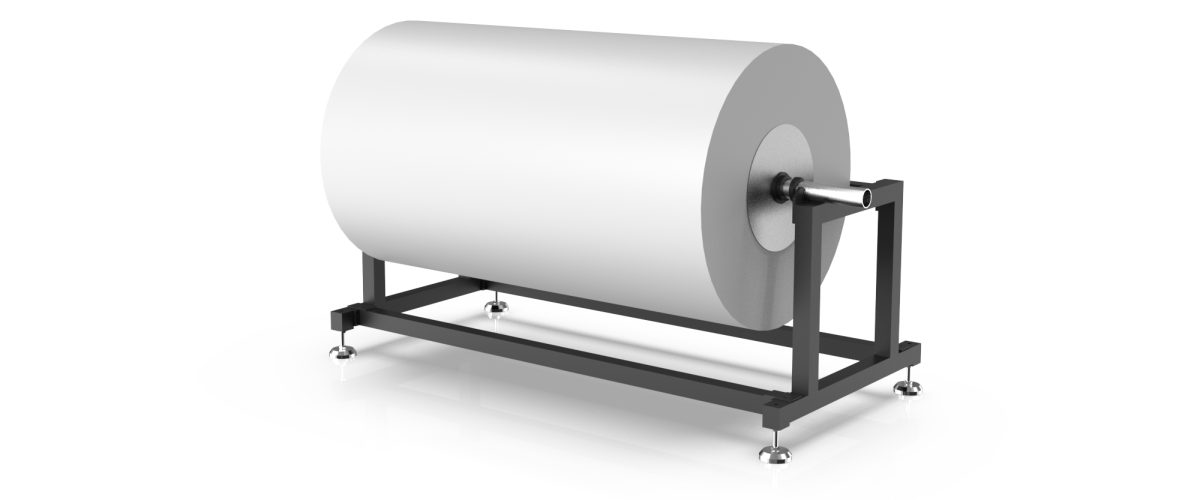
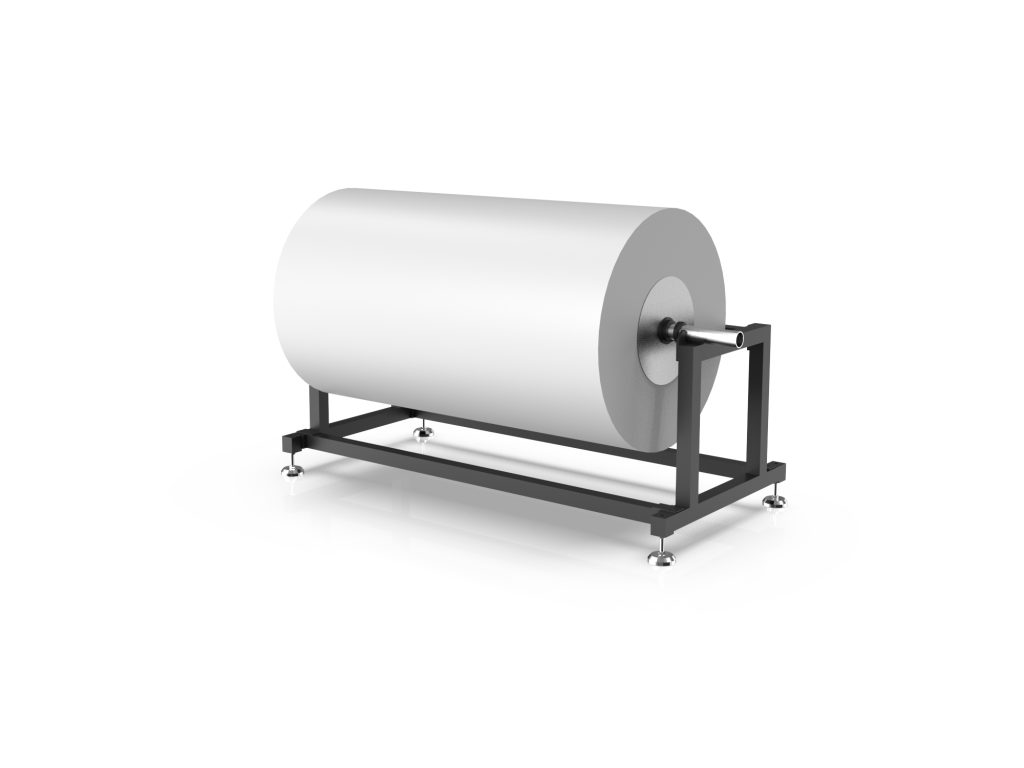
- Feeding system: For rolled materials, an automatic feeding device is required to improve continuous production efficiency.
Operating Tips and Parameter Settings
Correct operating parameters are key to ensuring cutting quality. Below are reference parameters for common materials:
- Leather (thickness 1-3mm): oscillating knife frequency 18,000 strokes/min, cutting speed 800mm/s, knife pressure 0.3MPa.
- Sponge (density 25D, thickness 10mm): use long oscillating knife, frequency 12,000 strokes/min, speed 500mm/s, knife pressure 0.2MPa.
- Corrugated paper (thickness 5mm): round knife or drag knife, speed 1000mm/s, knife pressure 0.1MPa.
- Carbon fiber prepreg: use a dedicated knife head, low-speed cutting (200mm/s) to reduce burrs, and enable ultrasonic assistance.
Precautions during operation: first perform a trial cut, adjust the knife depth and speed; ensure the material is flat and properly vacuum-held; regularly clean the knife head to prevent material from wrapping around it; for multi-layer cutting, control the interlayer adhesion.
Daily Maintenance and Care
The maintenance of the electronic cutting machine directly affects its service life and cutting accuracy. The following maintenance plan is recommended:
- Daily: Clean the table and guide rails, check blade wear, and clear the vacuum suction holes.
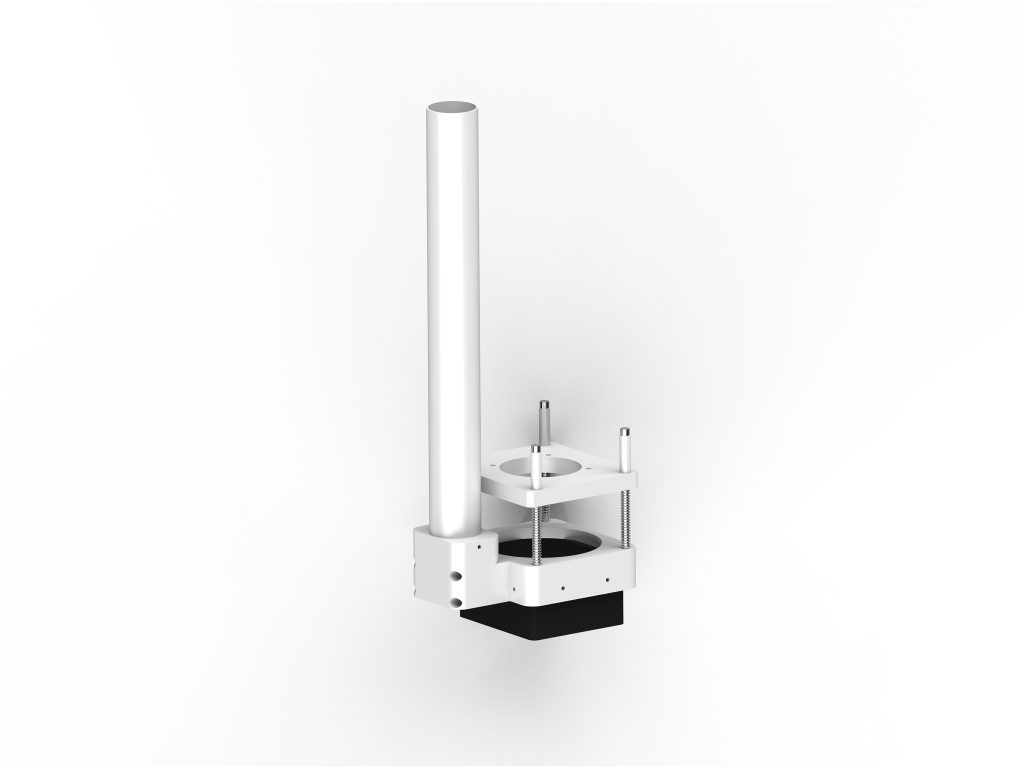
- Weekly: Lubricate the linear guide rails and lead screws, check belt tension, and clean dust from the electrical control cabinet.
- Monthly: Calibrate cutting accuracy (using standard test patterns), check servo motor connection cables, and replace worn blades and carbon brushes.
- Quarterly: Perform a comprehensive inspection of the air circuit and vacuum pump, replace filters, and back up system parameters.
Common troubleshooting: When the cutting edge is uneven, check whether the blade is loose or worn; when the material shifts, check whether the vacuum suction force is insufficient; when the system alarms, refer to the corresponding code in the manual, which is usually a limit or servo overload.
Application Scenarios and Efficiency Improvement
Electronic cutting machines are used in the automotive interior industry to cut seat leather and headliner fabric; in the advertising industry to cut KT boards and PVC foam boards; in the garment industry to cut fabrics. To improve efficiency, it is recommended to:
- Use automatic nesting software to maximize material utilization.
- Use a multi-tool head configuration to complete cutting, punching, and marking in one pass.
- Integrate an automatic feeding system to achieve continuous processing of rolled materials.
- Regularly train operators to become familiar with material characteristics and parameter adjustments.
Summary
The electronic cutting machine is an efficient tool for flexible material processing. Correct model selection, proper parameter settings, and regular maintenance are the foundation for ensuring production efficiency and cutting quality. Through the practical guide in this article, we hope you can use and maintain the equipment more scientifically and fully leverage its performance.