
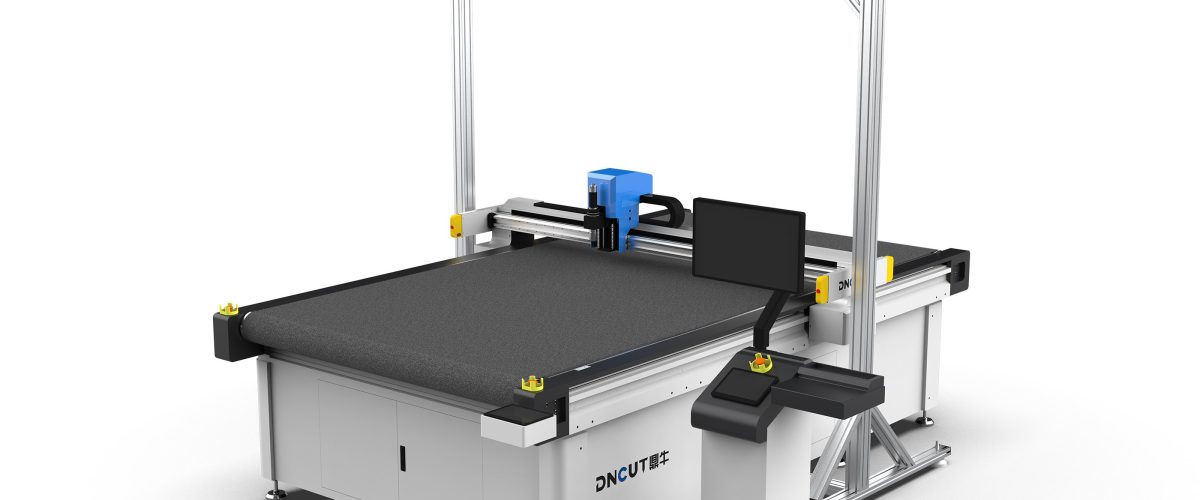
Silicone Cutting Machine: A Professional Solution for Flexible Material Cutting
Silicone materials are widely used in electronics, medical, automotive, and other industries due to their excellent temperature resistance, elasticity, and biocompatibility. However, the high elasticity and stickiness of silicone pose challenges for cutting. Traditional die cutting or manual cutting is inefficient and inaccurate, while dedicated silicone cutting machines achieve efficient and precise cutting through technologies such as oscillating knives, lasers, or ultrasonics. This article focuses on oscillating knife cutting machines and provides a practical guide from selection to operation.
I. Core Challenges and Countermeasures in Silicone Cutting
The hardness of silicone typically ranges from Shore A 20-80. Low-hardness materials are prone to deformation, while high-hardness materials cause greater tool wear. In addition, silicone has a high surface friction coefficient and tends to stick to the blade, resulting in rough cut edges. To address these characteristics, a silicone cutting machine needs the following capabilities:
- High-frequency oscillating cutting: The blade oscillates at high frequency with a small amplitude thousands of times per minute, reducing material stretching and producing clean cuts.
- Vacuum adsorption platform: Secures the material and prevents displacement, especially suitable for thin silicone sheets.
- Anti-stick coated blades: Such as Teflon coating, reducing the risk of material sticking to the blade.
- Adjustable cutting pressure: Adapts to silicone of different hardness and avoids excessive compression.
II. Analysis of Key Technical Parameters of Oscillating Knife Cutting Machines
When purchasing a silicone cutting machine, the following parameters directly affect cutting quality and efficiency:
1. Cutting Thickness and Accuracy
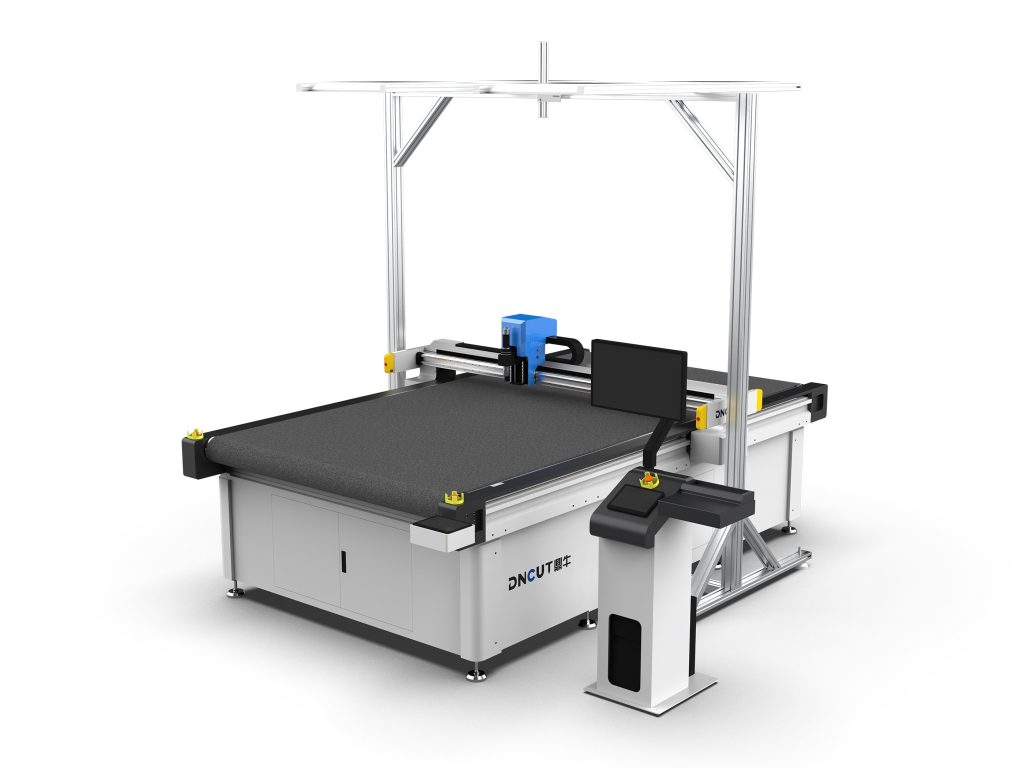
Oscillating knife cutting machines can typically cut silicone with a thickness of 0.5-50 mm, with accuracy up to ±0.1 mm. For silicone sheets thicker than 20 mm, high-power models (e.g., above 1.5 kW) and reinforced blades should be selected. Actual cutting accuracy is affected by material hardness: for low-hardness silicone, a lower feed speed (e.g., 200 mm/s) is recommended to ensure cut quality.
2. Blade Types and Oscillation Frequency
Common blades include straight blades, serrated blades, and round blades. Straight blades are suitable for straight cutting, serrated blades reduce material sticking, and round blades are used for curved cutting. The oscillation frequency range is typically 3000-10000 times/minute; high frequency is suitable for thin materials, and low frequency is suitable for thick materials. For example, when cutting a 3 mm thick silicone pad, a frequency of 6000 times/minute and a feed speed of 300 mm/s are recommended.
3. Adsorption Platform and Transmission System
The vacuum adsorption platform is zone-controlled, allowing corresponding zones to be activated according to material size to save energy. The transmission system uses servo motors and precision guide rails to ensure long-term stability. The platform flatness should be within ±0.05 mm.
4. Software and Automation Functions
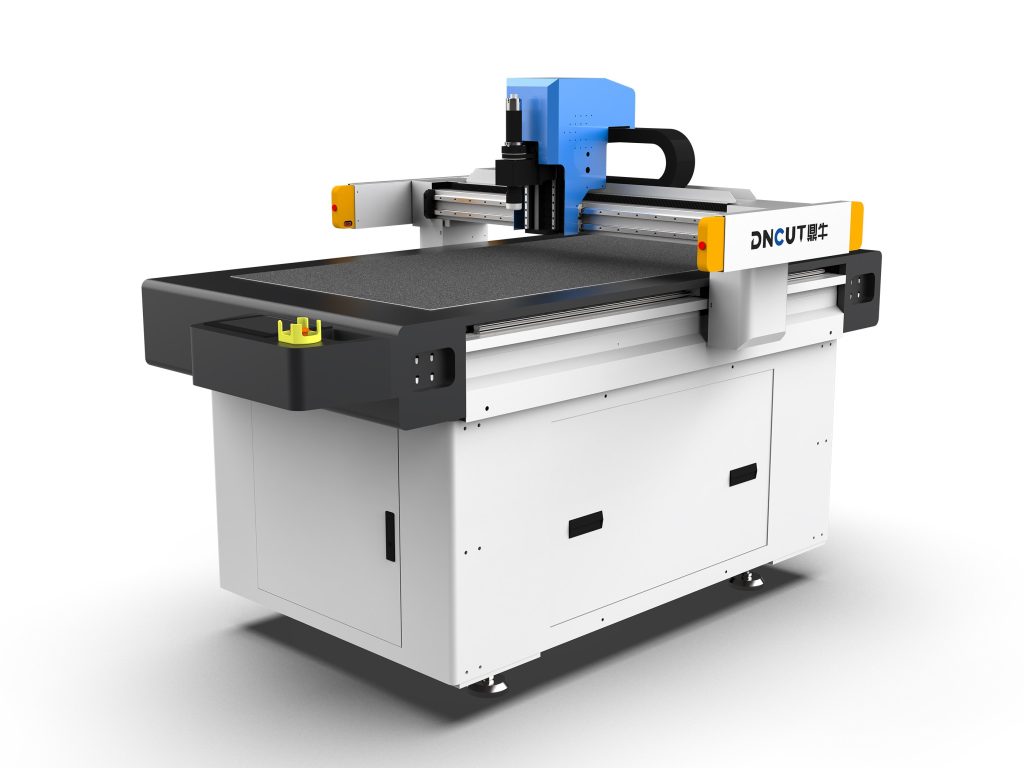
Modern cutting machines are equipped with CAD/CAM software and support direct import of formats such as DXF and PLT. Automatic nesting functions can optimize material utilization and reduce waste. For mass production, an automatic feeding system can be optionally configured to achieve continuous cutting.
III. Operating Process and Techniques of Silicone Cutting Machines
A correct operating process can extend equipment life and ensure cutting quality. The following are standard steps:
- Material preparation: Clean the silicone surface to remove oil and dust. For highly sticky silicone, a small amount of talcum powder can be sprinkled on it.
- Parameter setting: Adjust cutting speed, oscillation frequency, and blade pressure according to silicone hardness and thickness. It is recommended to perform a trial cut on a small sample first.
- Blade installation and calibration: Ensure the blade is sharp, and use a tool setter to calibrate the Z-axis zero point after installation.
- Fix the material: Turn on vacuum adsorption and check whether the material is flat without bubbles.
- Start cutting: Monitor the cutting process and pause for adjustment in case of deviation.
- Post-processing: After cutting is completed, clean the table with a soft cloth and check the cut quality.
Technique: For complex graphics, adopt a “layered cutting” strategy, that is, cut the contour first and then the interior, to avoid material movement. When cutting thin silicone (<1 mm), place a layer of sacrificial material (such as PET film) underneath to prevent damage to the platform.
IV. Maintenance and Troubleshooting
Regular maintenance is key to ensuring the accuracy of the cutting machine:
- Daily: Clean the table and guide rails, and check blade wear.
- Weekly: Lubricate the guide rails and check the vacuum adsorption force.
- Monthly: Calibrate the platform level and check the transmission belt tension.
Common problems and countermeasures:
- Rough cuts: May be caused by dull blades or too low frequency; replace the blade or increase the frequency.
- Material displacement: Check whether vacuum adsorption is turned on, or increase the adsorption area.
- Incomplete cutting: Increase blade pressure or reduce feed speed to ensure sufficient blade tip protrusion.
V. Selection Recommendations and Industry Applications
Choose the appropriate model according to production needs:
- Small-batch, multiple varieties: Choose a desktop model with a working area of 600×600 mm, power of 1.2 kW, and a price of approximately 50,000-80,000 RMB.
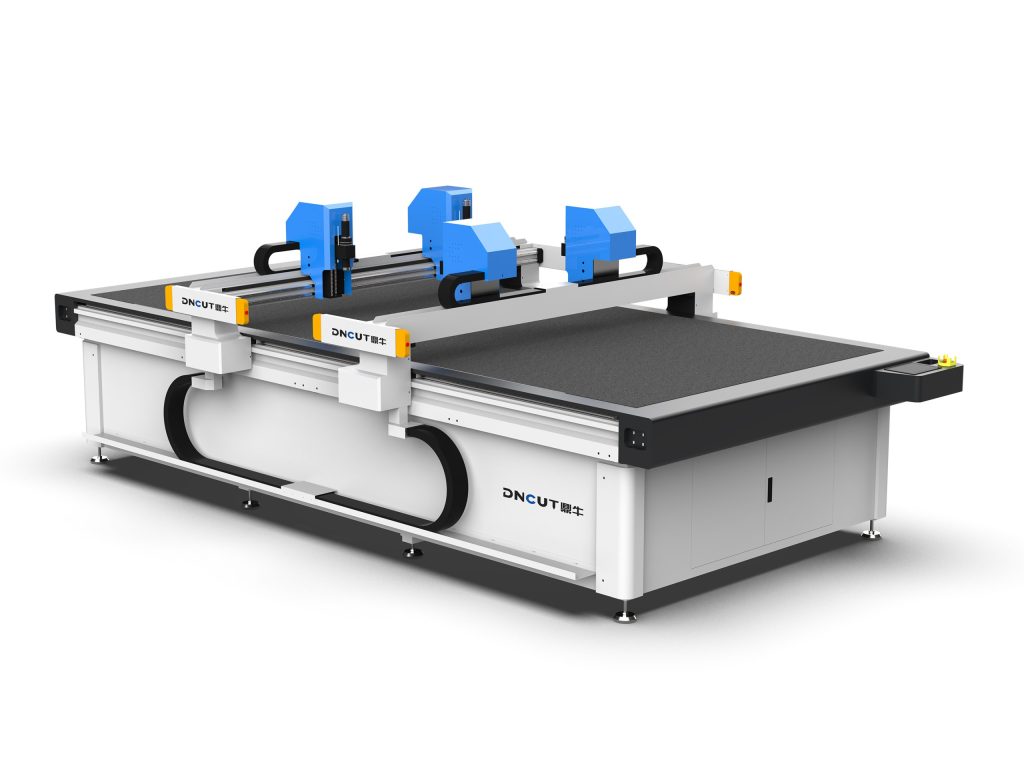
- Medium-batch production: Choose a gantry model with a working area of 1600×2500 mm, power of 2.5 kW, automatic feeding, and a price of approximately 150,000-250,000 RMB.
- High-precision medical silicone: Requires cleanroom-compatible design, stainless steel body, and accuracy of ±0.05 mm.
Silicone cutting machines have been successfully applied to the cutting of products such as silicone sealing rings, silicone gaskets, medical catheters, and wearable device watch bands. For example, an electronics factory used an oscillating knife cutting machine to cut silicone keys, increasing efficiency by 3 times and raising the yield rate from 85% to 98%.
VI. Summary
The selection of a silicone cutting machine requires comprehensive consideration of material characteristics, production scale, and accuracy requirements. Oscillating knife technology, with its advantages of cold cutting and no heat-affected zone, has become the preferred choice for silicone processing. Through reasonable parameter settings and regular maintenance, equipment performance can be fully utilized to achieve efficient and precise silicone cutting.