
What is a Color Box Sample Cutting Machine?
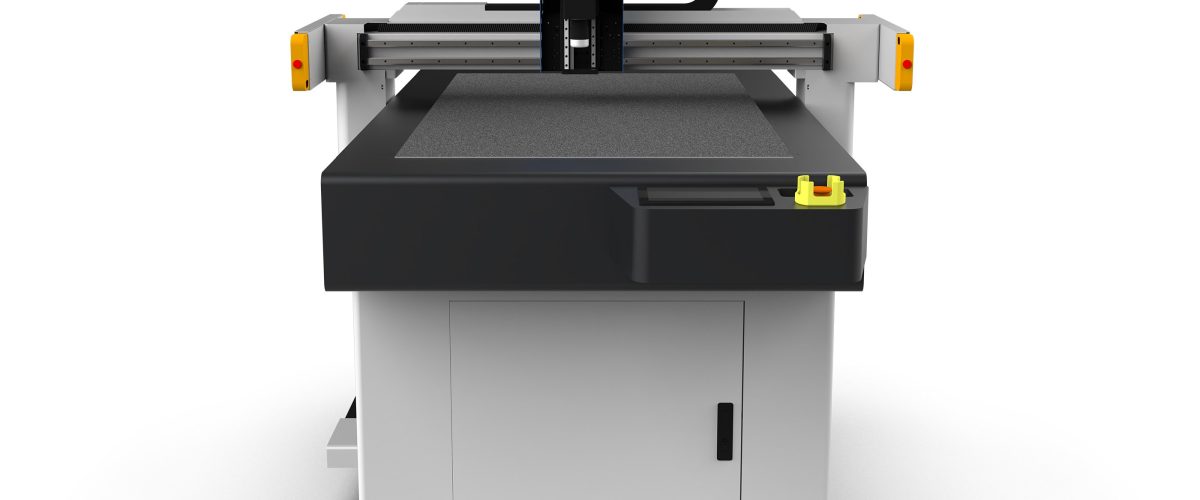
A color box sample cutting machine is a CNC cutting device specifically used for sampling colored packaging boxes (such as cosmetic boxes, food boxes, and electronic product boxes). It uses a high-frequency oscillating blade to cut, crease, and draw on materials such as cardstock, corrugated paper, and gray board, quickly producing samples consistent with mass production. Compared with laser cutting, the sample cutting machine has no burnt edges and no smoke or dust, making it more suitable for color box sampling with high cleanliness requirements.
Core Parameters and Selection Points
1. Working Area
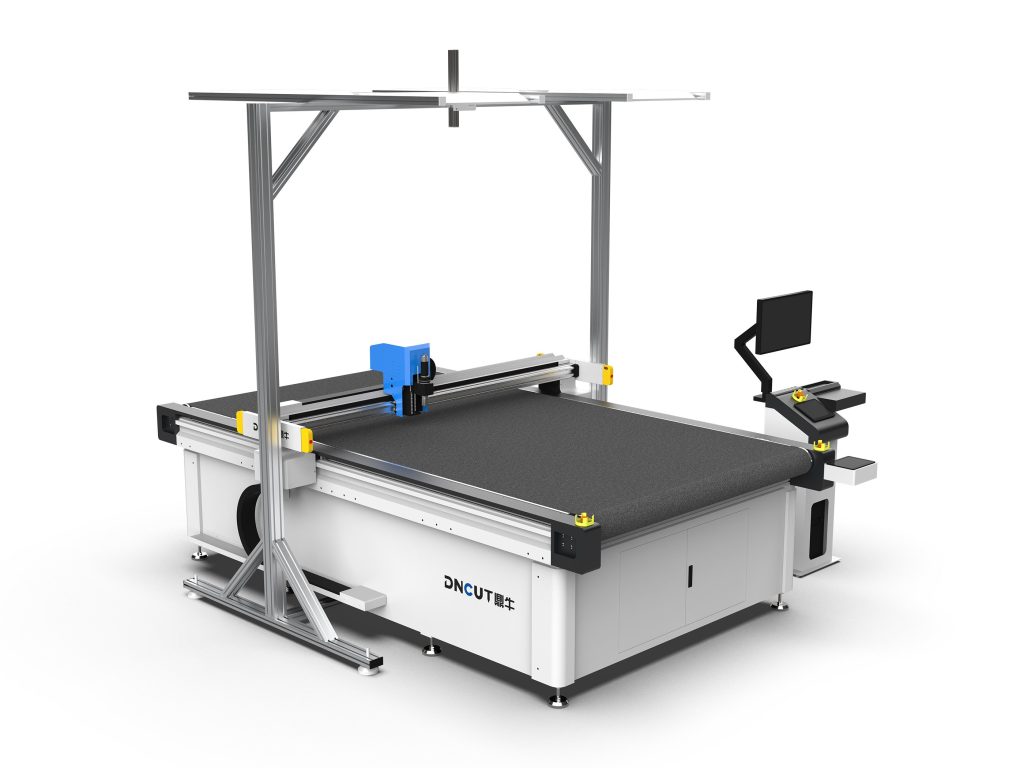
Common working areas include 600mm×500mm, 900mm×600mm, 1200mm×800mm, etc. When choosing, consider the maximum unfolded size of the color box and reserve space for fixtures. For example, if you often make color boxes with an unfolded size of 800mm×600mm, it is recommended to choose equipment with a working area of at least 1000mm×700mm.
2. Cutting Accuracy and Repeat Positioning Accuracy
The cutting accuracy of a color box sample cutting machine is usually ±0.1mm, and the repeat positioning accuracy should be ≤0.05mm. High-precision equipment can ensure consistency across multiple batches of samples and reduce assembly errors.
3. Tool System
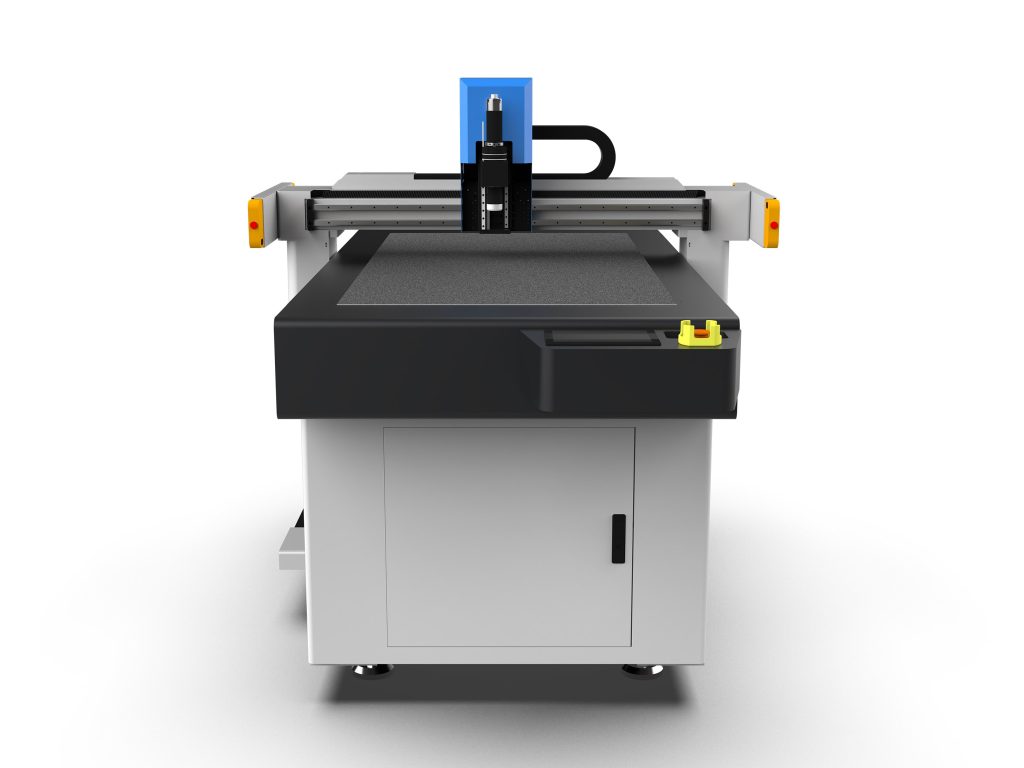
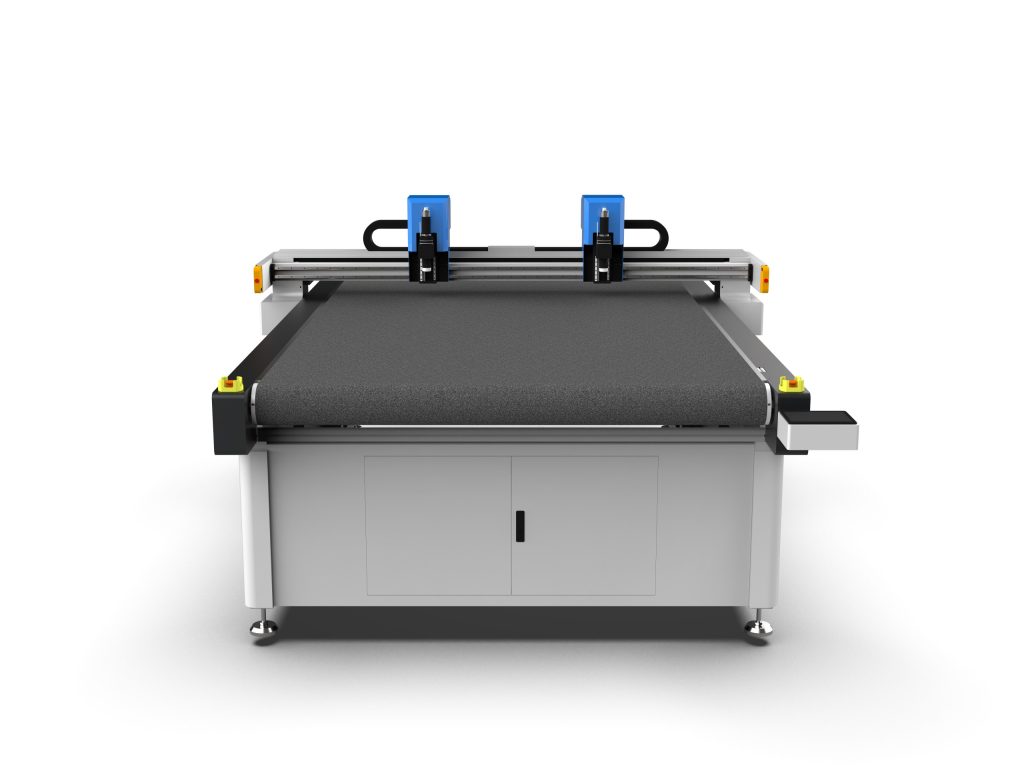
It should be equipped with multiple tools: an oscillating knife for cutting cardstock and corrugated paper, a creasing wheel for making creases, and a drawing pen for marking and drawing. Some high-end models are also equipped with a V-groove knife for 45-degree or 90-degree V-groove cutting of thick cardboard.
4. Vacuum System
The vacuum adsorption table can firmly secure materials and prevent displacement during cutting. The adsorption force should be adjustable to accommodate materials of different thicknesses and air permeability. For corrugated paper, it is recommended that the adsorption force be ≥-80kPa.
5. Control System and Software
The equipment should support common CAD formats (DXF, AI, PDF) and be equipped with dedicated sampling software that can automatically identify cutting lines, crease lines, and drawing lines. The software should have functions such as array copying, bridging, and automatic nesting to improve sampling efficiency.
Operating Process and Practical Tips
1. File Preparation
Use AI or CAD to design the unfolded color box drawing, ensuring that lines are closed and that different processes (cutting, creasing, drawing) are placed on different layers. It is recommended to set the line width to 0.1mm to avoid repeated cutting.
2. Material Fixing and Tool Alignment
Lay the material flat on the table and turn on the vacuum adsorption. When aligning the tool, use the included tool alignment block to ensure that the knife tip just touches the material surface. For corrugated paper, the knife tip should slightly penetrate the flute tips, but not too deep, so as to avoid cutting through the flute peaks and affecting strength.
3. Parameter Settings
Adjust the cutting speed, knife pressure, and oscillation frequency according to the material type. The following are reference parameters:
- Cardstock (250-350g): speed 30-50mm/s, knife pressure 0.2-0.3MPa, medium oscillation frequency.
- Corrugated paper (E-flute, F-flute): speed 20-40mm/s, knife pressure 0.3-0.4MPa, high oscillation frequency.
- Gray board (1.5-2.0mm): speed 15-25mm/s, knife pressure 0.4-0.5MPa, requires a V-groove knife or multiple cuts.
Creasing parameters: the width of the crease line should match the paper thickness, usually 1.5 times the paper thickness. The creasing pressure should be such that it leaves a clear mark on the paper surface without breaking it.
4. Trial Cutting and Adjustment
Before formal cutting, perform a small-area trial cut to check the cutting depth and creasing effect. If the cut does not go through, increase the knife pressure or reduce the speed; if the crease is too deep and causes the paper to break, reduce the pressure or replace the creasing wheel.
5. Post-Processing
After cutting is completed, use an air gun to remove dust and carefully separate the waste. For complex structures, tweezers can be used as an aid. When gluing and forming, it is recommended to use the same glue as in mass production to verify the bonding effect.
Common Problems and Solutions
1. Rough Cutting Edges
Causes: dull blade, too low oscillation frequency, or too high speed. Solutions: replace the blade, increase the oscillation frequency, and reduce the cutting speed.
2. Crease Line Cracking
Causes: excessive creasing pressure, too narrow creasing wheel, or too low moisture content in the paper. Solutions: reduce pressure, replace with a creasing wheel of appropriate width, or humidify the paper.
3. Material Displacement
Causes: insufficient adsorption force or too high material air permeability. Solutions: increase the adsorption force, seal the material edges with tape, or cover with a film to reduce air permeability.
4. Cutting Accuracy Deviation
Causes: uneven table surface, worn guide rails, or loose belts. Solutions: regularly calibrate the table level, check the tension of the guide rails and belts, and contact the manufacturer for maintenance if necessary.
Maintenance and Care
- Clean the table and guide rails daily to remove paper scraps and dust.
- Check blade wear weekly and replace in time.
- Lubricate the guide rails and lead screws monthly using special lubricating grease.
- Calibrate equipment accuracy once a quarter, including table level and repeat positioning accuracy.
- When not in use for a long time, disconnect the power, cover with a dust cover, and periodically power on and run the machine.
Selection Recommendations and Summary
When purchasing a color box sample cutting machine, comprehensive consideration should be given based on your own product characteristics (material type, maximum size, precision requirements) and budget. It is recommended to give priority to models with automatic tool alignment, multi-tool systems, and friendly software interfaces. For small and medium-sized packaging companies, a model with a working area of 600mm×500mm can meet most needs; large enterprises or design companies can choose a larger table and be equipped with an automatic tool change system. Correct operation and regular maintenance can significantly extend equipment life and ensure stable sampling quality.