
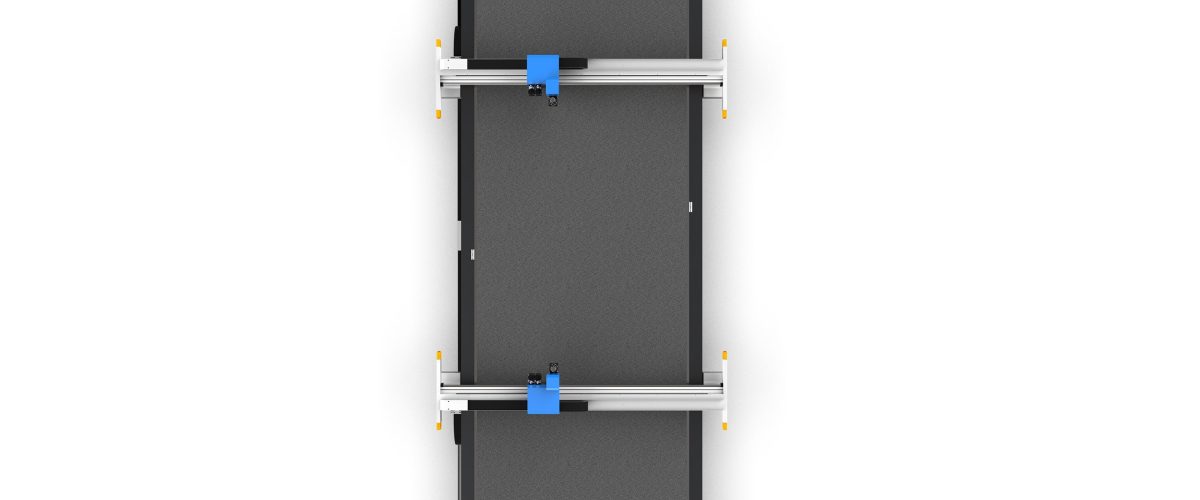
Gasket Cutting Machine: Types and Working Principles
A gasket cutting machine is equipment used to cut non-metallic materials such as rubber, asbestos, polytetrafluoroethylene (PTFE), non-asbestos board, graphite, and cork into gaskets of specific shapes. According to the cutting principle, it is mainly divided into three categories:
- Oscillating knife cutting machine: The blade vibrates at high frequency (about 20,000 times per minute), with high cutting accuracy, suitable for complex graphics and thin materials (thickness ≤10mm).
- Laser cutting machine: Uses a laser beam to melt or vaporize the material, with a narrow kerf, but may produce burnt edges. It is suitable for materials such as PTFE, usually with thickness ≤5mm.
- Die cutting machine: Uses a custom die for stamping, with high efficiency, suitable for large-volume simple shapes, but the die cost is high.
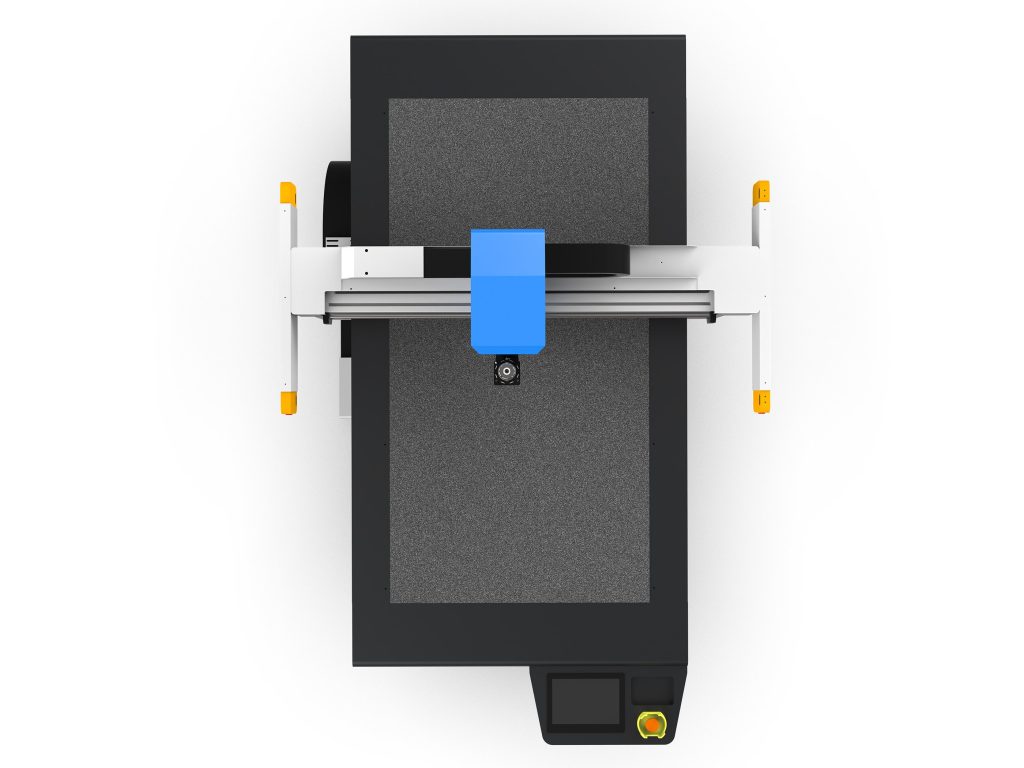
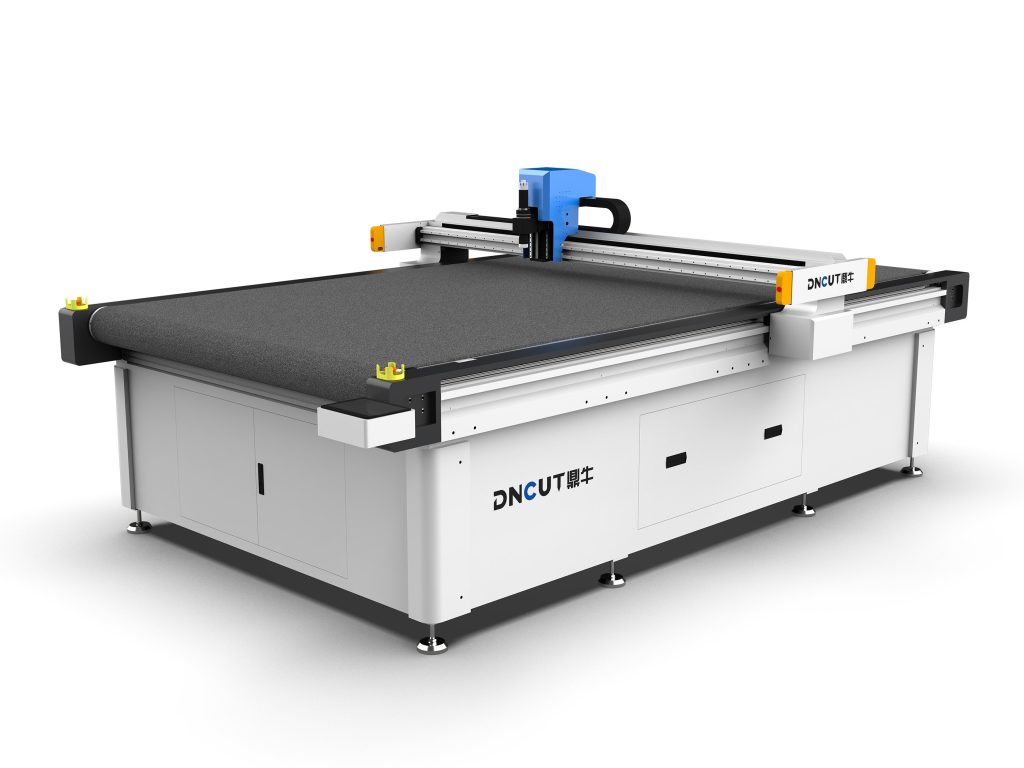
Among them, the oscillating knife cutting machine has become the mainstream choice because it requires no dies and adapts to small-batch, multi-variety production. Its core components include the oscillating knife head, servo control system, vacuum adsorption platform, and feeding system.
Key Selection Parameters
1. Cutting Thickness and Material
Different materials have different requirements for the tool and power. For example:
- Rubber gaskets: thickness 1-20mm; it is recommended to use an oscillating knife (power ≥1.5kW) or high-pressure water jet (but water jet cost is high).
- Asbestos board: thickness 1-10mm; the oscillating knife needs to be equipped with carbide blades to avoid dust flying.
- PTFE: thickness 0.5-5mm; either laser cutting or oscillating knife can be used, but laser requires attention to ventilation.
- Graphite composite board: thickness 1-3mm; when cutting with an oscillating knife, the vibration frequency needs to be controlled to prevent delamination.
When selecting, it is necessary to clarify the commonly used materials and thickness range to ensure the equipment capability covers them.
2. Cutting Accuracy and Speed
Gaskets usually require dimensional tolerance within ±0.2mm. The repeat positioning accuracy of the oscillating knife cutting machine can reach ±0.05mm, and the cutting speed varies from 10-60m/min depending on the material. For example, when cutting 3mm thick rubber gaskets, the speed can be set to 30m/min; when cutting 1mm thick PTFE, it can be increased to 50m/min.
3. Working Table Size
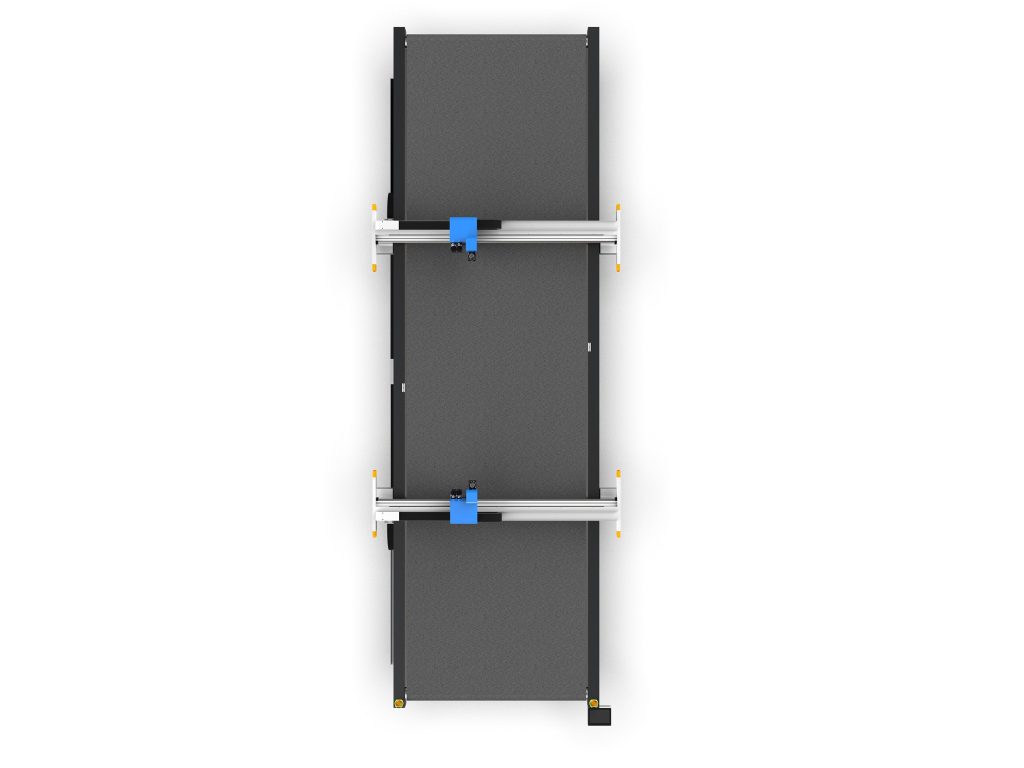
Choose according to common gasket sizes. For small gaskets (such as DN50 flange gaskets), a 600×600mm table can be selected; for large gaskets (such as heat exchanger gaskets), 1200×2400mm or larger is required. The table should be equipped with vacuum adsorption zones to ensure material fixation.
4. Software and Automation
Modern gasket cutting machines are usually equipped with CAD/CAM software, supporting the import of DXF and DWG formats and automatically generating cutting paths. The automatic nesting function can improve material utilization by 10%-30%. In addition, the automatic feeding system can achieve continuous cutting and reduce manual intervention.
Operating Techniques and Parameter Settings
1. Tool Selection and Replacement
Common blade types for oscillating knives include:
- Pointed knife: used for fine contours and thin materials.
- Round knife: used for thick materials (>10mm) and straight cutting.
- Serrated knife: used for fiber-reinforced materials (such as non-asbestos board) to prevent stringing.
Blades should be replaced promptly after wear. Generally, when cutting rubber materials, check once every 8 hours.
2. Cutting Parameter Optimization
Taking the oscillating knife as an example, the key parameters include:
- Vibration frequency: 18,000-22,000 times/min is recommended for rubber materials; 25,000 times/min or more is recommended for PTFE.
- Cutting depth: usually set to 1.1-1.2 times the material thickness to ensure complete cutting without excessive wear on the table.
- Feed speed: adjust according to material hardness. For hard materials (such as asbestos board), reduce the speed to 10-15m/min; for soft rubber, it can be increased to 40m/min.
It is recommended to perform a trial cut first and inspect the cut edge quality with a magnifying glass, adjusting the parameters until there are no burrs or delamination.
3. Material Fixation
Vacuum adsorption is a common method, and the table must be well sealed. For porous materials (such as cork), a layer of film can be covered before adsorption. The recommended adsorption negative pressure is -0.6 to -0.8bar.
Maintenance and Care
Regular maintenance can extend equipment life:
- Clean the table and guide rails daily to remove chips.
- Check the knife head fastening screws and drive belt tension weekly.
- Lubricate the linear guide rails and lead screws monthly (use lithium-based grease).
- Calibrate the home sensor and servo motor quarterly.
Note: When cutting dust-containing materials such as asbestos, a dust removal device must be equipped, and the filter should be cleaned regularly.
Common Problems and Solutions
1. Rough Cut Edge
Possible causes: worn blade, too low vibration frequency, too fast feed speed. Solutions: replace the blade, increase the frequency to above 20,000 times/min, and reduce the speed by 20%.
2. Material Displacement
Check whether the vacuum adsorption has failed or whether there is oil on the material surface. Clean the table and ensure the adsorption zones are turned on.
3. Cutting Dimension Deviation
Check whether the drive belt is loose or whether the software compensation setting is incorrect. Recalibrate the equipment and check the tool path compensation value.
Application Scenarios and Benefits
Gasket cutting machines are widely used in equipment sealing maintenance in industries such as petrochemicals, power, shipbuilding, and pharmaceuticals. Compared with traditional manual cutting, CNC cutting can increase efficiency by 5-10 times, improve material utilization by more than 20%, and ensure gasket consistency, reducing the risk of leakage. For multi-variety small-batch production, the oscillating knife cutting machine is the best choice; for large-volume simple shapes, a die cutting machine can be considered to reduce costs.
When purchasing, it is recommended to bring samples of commonly used materials to the manufacturer for trial cutting and to inspect the equipment performance and software ease of use on site. Also pay attention to after-sales service and technical support capabilities to ensure long-term stable operation of the equipment.