
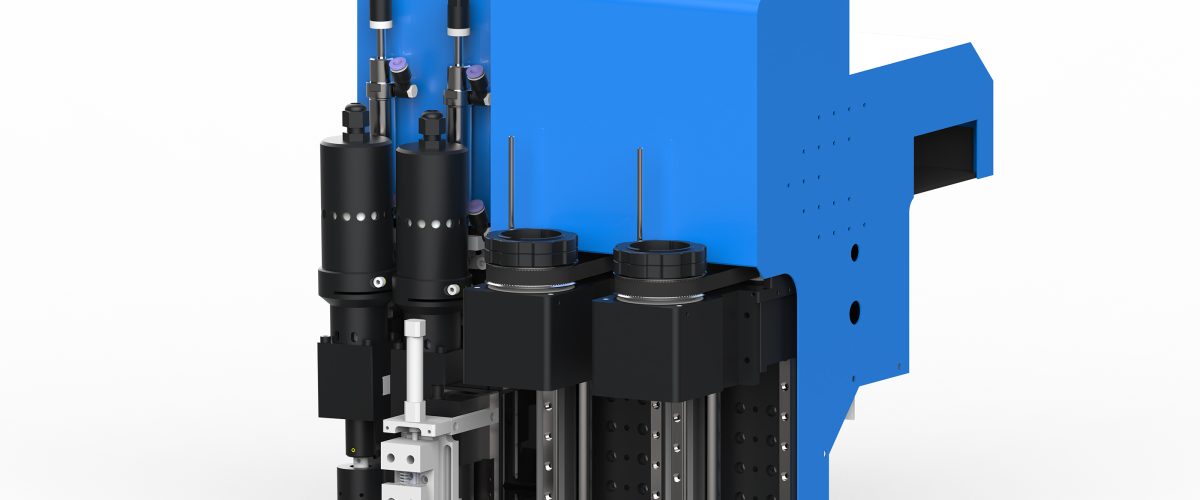
Shoe Cutting Machine: The Core Equipment for Intelligent Cutting in the Footwear Industry
In footwear production, the cutting quality of components such as the upper, lining, and insole directly affects the comfort, aesthetics, and production efficiency of the finished shoe. Traditional manual cutting relies on templates and manual experience, and suffers from problems such as low precision, large material waste, and poor consistency. The shoe cutting machine (also known as a footwear cutting machine or shoe material cutting machine), as CNC cutting equipment, uses technologies such as oscillating knives, circular knives, or lasers to achieve automated cutting of materials such as leather, mesh fabric, foam, and EVA, and has become a key tool for modern footwear companies to enhance competitiveness.
This article provides a practical application guide to shoe cutting machines for footwear companies from aspects such as technical parameters, selection methods, operating techniques, and maintenance points.
I. Main Types and Technical Characteristics of Shoe Cutting Machines
According to different cutting principles, shoe cutting machines are mainly divided into oscillating knife cutting machines, circular knife cutting machines, and laser cutting machines. Among them, oscillating knife cutting machines are the most widely used in the footwear industry due to their wide range of applicable materials, neat cutting edges, and no scorching.
1. Oscillating Knife Cutting Machine
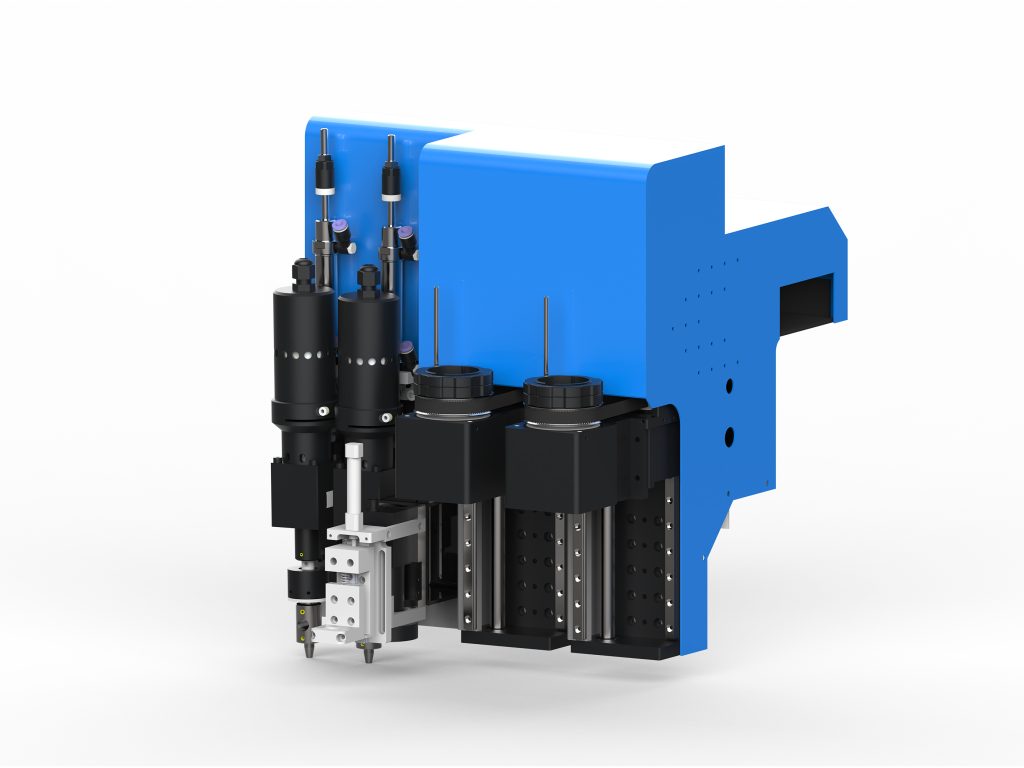
The oscillating knife cutting machine achieves cold cutting through high-frequency up-and-down vibration of the blade (frequency usually 10,000-20,000 times/minute), and is suitable for cutting materials such as leather, mesh fabric, non-woven fabric, foam, EVA, and TPU. The cutting precision can reach ±0.1mm, and the repeat positioning accuracy is ±0.05mm. Because it is cold cutting, it does not produce the burnt edges and odors of laser cutting, and is especially suitable for heat-sensitive materials. Oscillating knife cutting machines are usually equipped with a vacuum adsorption table to ensure that the material remains fixed during cutting and avoids displacement.
2. Circular Knife Cutting Machine
The circular knife cutting machine uses a rotating circular blade for cutting and is suitable for cutting thicker flexible materials, such as EVA midsoles and rubber outsoles. Circular knife cutting is fast, but its adaptability to complex curves and fine patterns is poor, so it is usually used for batch cutting of simple shapes.
3. Laser Cutting Machine
The laser cutting machine uses a high-energy laser beam to melt or vaporize materials. It has fast cutting speed and no mechanical stress, and is suitable for cutting chemical fiber mesh fabric, synthetic leather, etc. However, laser cutting produces burnt edges and smoke, is not suitable for natural materials such as leather, and has higher equipment costs. In the footwear industry, laser cutting is mostly used for hollowing out and marking upper mesh fabric.
II. Interpretation of Key Parameters of Shoe Cutting Machines
When purchasing a shoe cutting machine, the following technical parameters need to be focused on:
- Cutting precision: Usually required to be within ±0.1mm, and high-precision models can reach ±0.05mm. Precision directly affects the interchangeability and fit of shoe components.
- Cutting speed: The cutting speed of oscillating knife cutting machines is generally 100-1200mm/s, depending on material thickness and complexity. Speed and precision need to be balanced; excessively high speed may cause rough cutting edges.
- Maximum cutting thickness: Depending on the material, oscillating knives can usually cut materials 0.5-50mm thick, while circular knives can cut thicker materials.
- Working table size: Common specifications include 1600mm×2500mm, 1800mm×3000mm, etc., which need to be selected according to shoe component layout and material size. The larger the table, the higher the single-layout efficiency, but the larger the equipment footprint.
- Vacuum adsorption power: Adsorption force affects the stability of material fixation, and the vacuum degree is usually required to reach -0.08MPa or above to ensure that the material does not shift during cutting.
- Control system: Mainstream systems use servo motors and motion control cards, support direct import of DXF, PLT, and other formats from CAD/CAM software, and realize automatic layout and cutting path optimization.
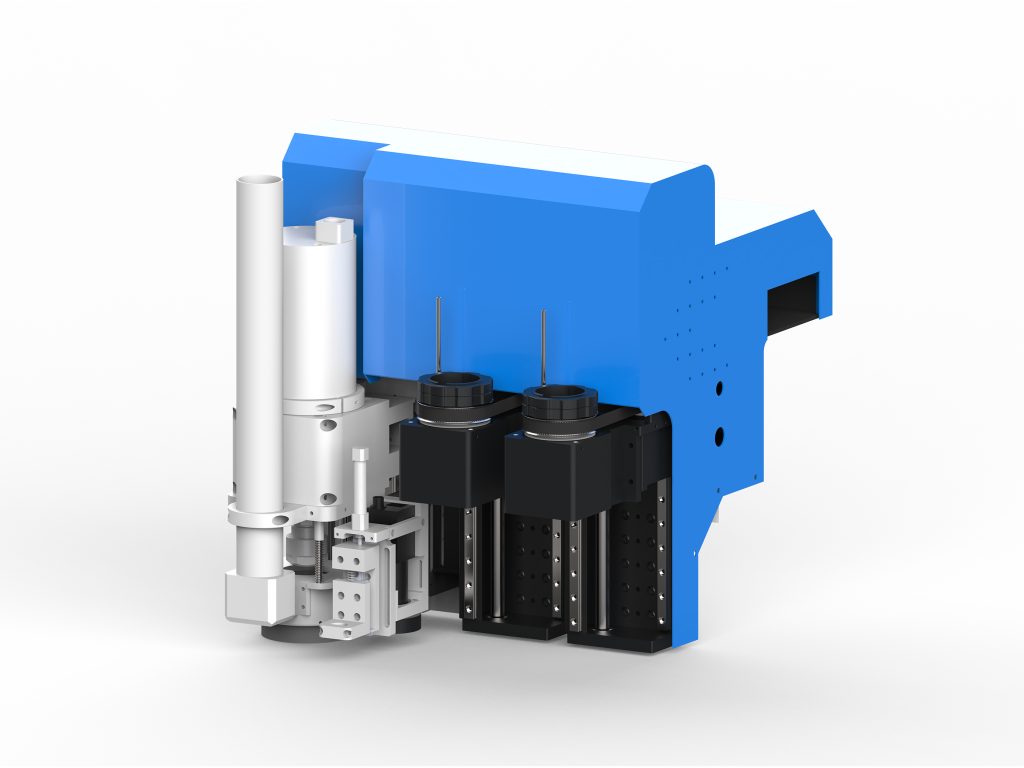
- Tool configuration: Includes oscillating knife, circular knife, drag knife, punching knife, etc., which can be replaced according to different materials. For example, oscillating knives are commonly used for cutting leather, and drag knives can be used for cutting mesh fabric.
III. How to Choose a Suitable Shoe Cutting Machine
Selection requires comprehensive consideration of factors such as material characteristics, production scale, precision requirements, and budget.
1. Selection According to Material
Different shoe materials have different requirements for cutting methods:
- Natural leather: It is recommended to use an oscillating knife cutting machine. Cold cutting avoids hardening of leather edges and maintains a soft feel. Attention should be paid to natural defects in leather, and a CCD visual recognition system can be used for defect detection and automatic layout.
- Mesh fabric, flyknit uppers: Both oscillating knife and laser cutting can be used. Oscillating knife cutting has neat edges and no scorching; laser cutting is suitable for complex hollowed-out patterns, but attention should be paid to the melting edges of chemical fiber materials.
- Foam, EVA: Oscillating knife or circular knife cutting. For larger thicknesses, circular knife efficiency is higher, but precision is slightly lower.
- TPU, PU synthetic leather: Oscillating knife cutting, avoiding harmful gases produced by laser cutting.
2. Selection According to Production Scale
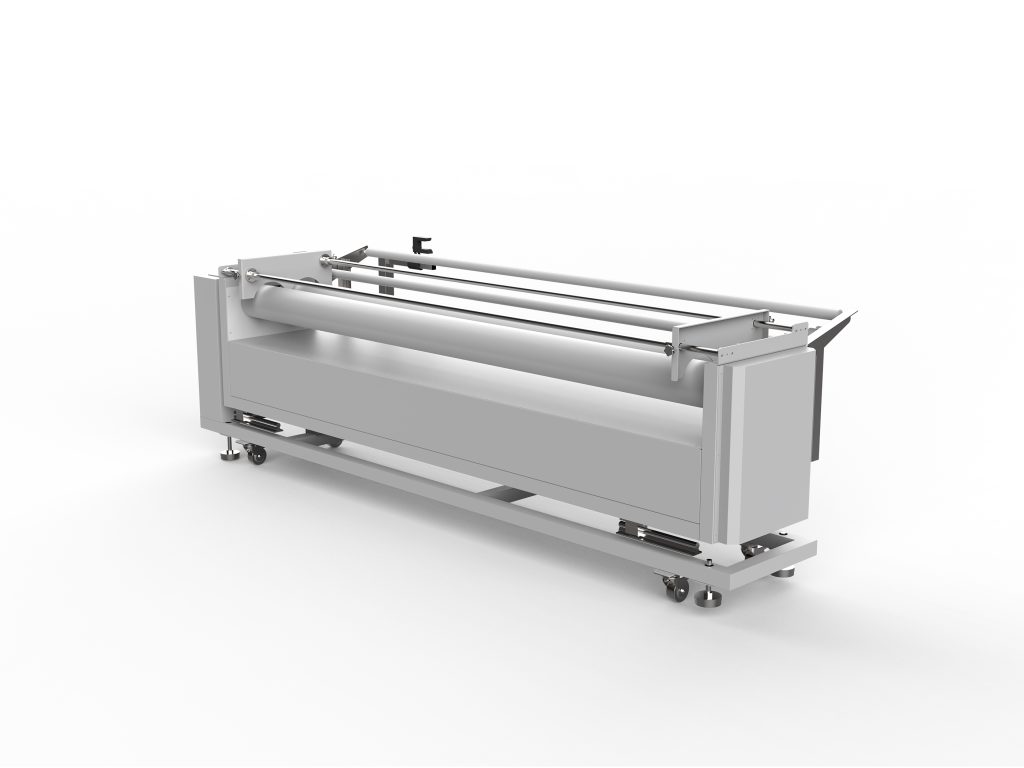
For small-batch, multi-variety custom shoe production, it is advisable to choose models with a moderate table size (such as 1600mm×2500mm) and quick tool change, and to be equipped with automatic layout software to reduce material waste. For large-scale production, models with large format, multiple cutting heads, or automatic feeding systems can be selected to improve continuous operation efficiency.
3. Balance Between Precision and Efficiency
High precision often means lower speed. For components with high appearance requirements such as uppers, priority should be given to ensuring precision; for internal components such as insoles, speed can be appropriately increased. It is recommended to choose models with segmented speed control, accelerating on straight segments and decelerating on curved segments, balancing efficiency and quality.
4. Software and Automation Functions
Modern shoe cutting machines are usually equipped with intelligent layout software, which can automatically optimize layout according to material width and component shapes to improve material utilization. For leather cutting, the visual recognition system can automatically identify leather contours and defects and realize intelligent nesting, increasing material utilization by 5%-15%. In addition, modules such as automatic feeding and automatic receiving can reduce manual intervention and are suitable for large-scale production.
IV. Key Points of Operation and Maintenance of Shoe Cutting Machines
1. Operating Process
- Data preparation: Import shoe component CAD drawings into the cutting software, and set cutting paths, tool types, and speed parameters.
- Material fixation: Lay the material flat on the working table and turn on vacuum adsorption to ensure that the material fits tightly against the table.
- Origin calibration: After each material or tool change, recalibrate the cutting origin to ensure accurate cutting position.
- Trial cutting verification: Before formal cutting, first use waste material for trial cutting, check cutting depth and edge quality, and adjust parameters.
- Batch cutting: After confirmation, start batch cutting, monitor the cutting status during the process, and promptly clean up debris on the table.
2. Daily Maintenance
- Blade replacement: Replace blades regularly according to usage frequency and material wear. Usually replace after every 200-300 hours of cutting or when rough cutting edges are found. After replacement, recalibrate the blade depth.
- Table cleaning: Clean dust and debris from the table after work every day to avoid affecting the vacuum adsorption effect.
- Guide rail lubrication: Clean the linear guide rails and lead screws monthly and apply lubricating grease to ensure motion precision.
- Vacuum system inspection: Regularly inspect the vacuum pump and pipelines to ensure no leakage and stable adsorption force.
- Electrical inspection: Inspect cables and connectors quarterly to prevent loosening or wear.
3. Common Problems and Solutions
- Rough cutting edges: May be caused by blade wear or excessive speed. It is recommended to replace the blade or reduce cutting speed.
- Material displacement: Check whether vacuum adsorption is normal, whether the table is clean, and whether the material is flat.
- Cutting size deviation: Check origin calibration and tool compensation settings to ensure software parameters are consistent with hardware.
- Tool collision: Check whether the cutting path exceeds the material range, and adjust layout or table size.
V. Technological Development Trends of Shoe Cutting Machines
As the footwear industry develops toward intelligence and flexibility, shoe cutting machines are showing the following trends:
- Visual recognition and AI layout: Industrial cameras identify material contours and defects, and AI algorithms automatically generate optimal layout plans to maximize material utilization.
- Multi-tool head collaboration: Equipped with multiple cutting heads to perform different processes simultaneously (such as cutting, punching, and marking), improving production efficiency.
- IoT and remote operation and maintenance: Equipment is connected to the factory MES system to monitor operating status and output in real time and realize predictive maintenance.
- Green manufacturing: Oscillating knife cold cutting technology avoids harmful gas emissions and meets environmental protection requirements.
For footwear companies, choosing a suitable shoe cutting machine and mastering correct operation and maintenance methods can not only improve product quality and production efficiency, but also reduce material waste and labor costs. It is recommended to fully test material samples before procurement and communicate in depth with equipment suppliers about process requirements to ensure that the equipment matches actual production.