
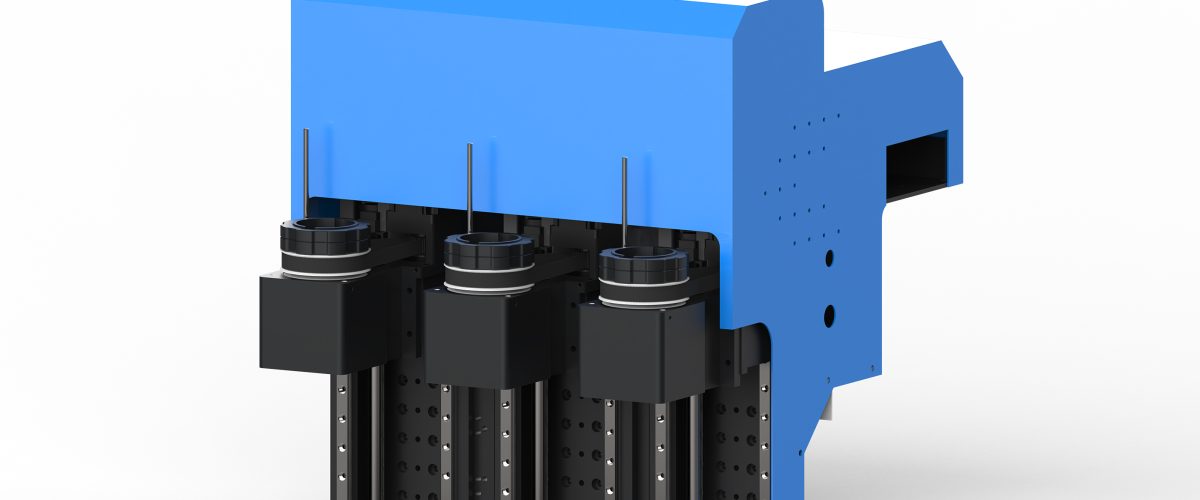
What problems does a cotton cutting machine actually solve
A cotton cutting machine is not simply a device that cuts fabric. Cotton fibers are fluffy, prone to fuzzing, and have high interlayer friction. When cutting multiple layers of cotton material by hand or with ordinary blades, common problems include dimensional deviation between upper and lower layers, stringing at the cut, and edge indentations. Dedicated cotton cutting machines use a high-frequency oscillating knife or circular knife combined with a vacuum adsorption table to compact the cotton layers before cutting, significantly improving cut verticality and interlayer consistency. Taking a common 1600mm×2500mm table model as an example, when cutting 20 layers of knitted cotton, the interlayer deviation can be controlled within ±0.5mm, whereas ordinary cutting blades often exceed 2mm.
Blade head types and applicable scenarios
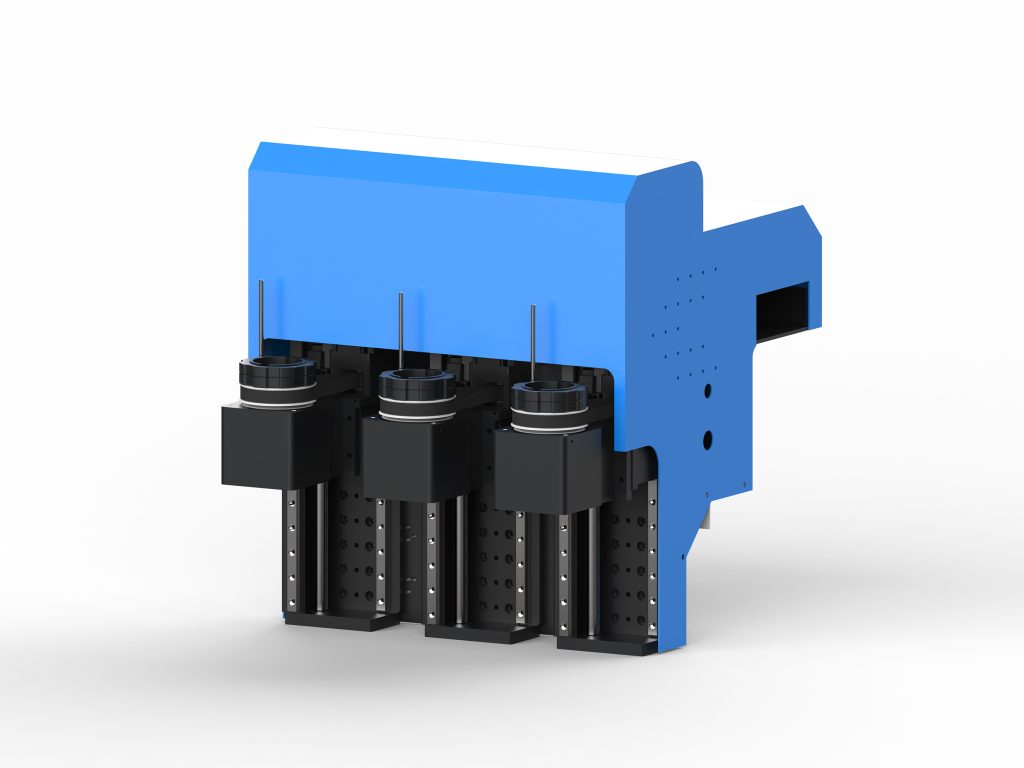
Oscillating knife (reciprocating knife)
The blade reciprocates up and down at high frequency, typically 8000–20000 times/minute. Suitable for cotton felt, cotton batting, and sponge composite cotton with a thickness of 3–30mm. Advantages: straight cut edges and minimal compression on fluffy materials; disadvantages: slightly lower speed than circular knives, and feed speed must be reduced for thick materials.
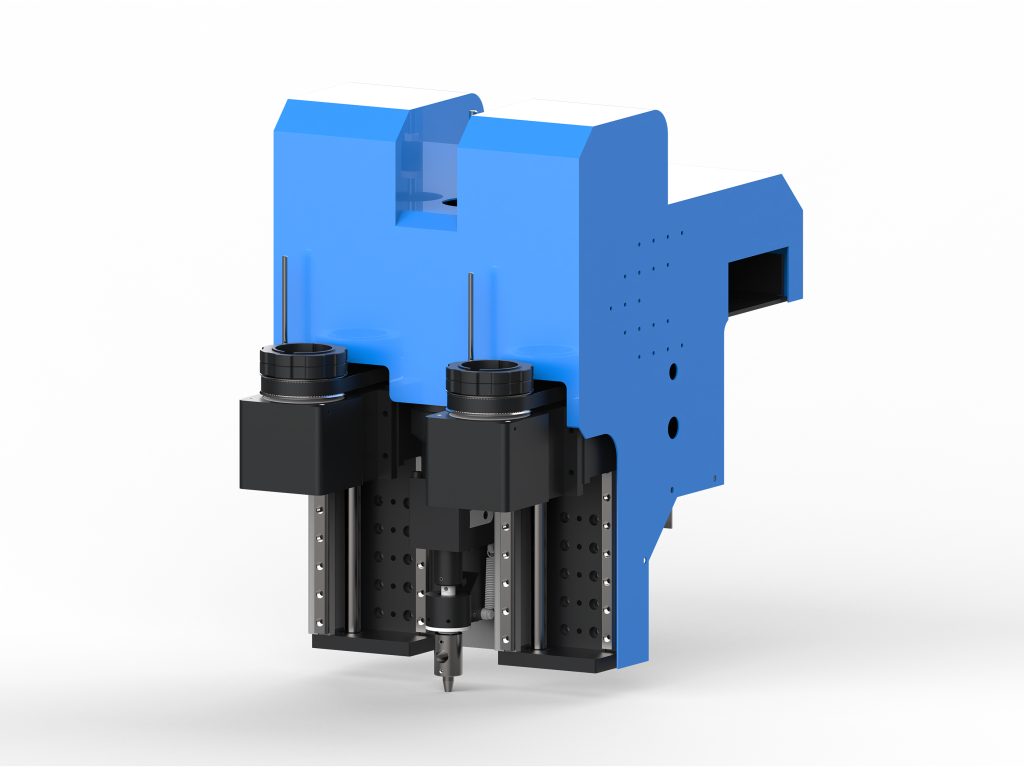
Round knife (rotary knife)
The blade rotates at high speed for cutting, suitable for 1–8 layers of thin cotton fabric and cotton-linen blends. The cutting speed is fast, and with automatic feeding it can operate continuously. However, for thick cotton layers exceeding 10 layers, the circular knife tends to lift the lower layers of material, causing dimensional drift.
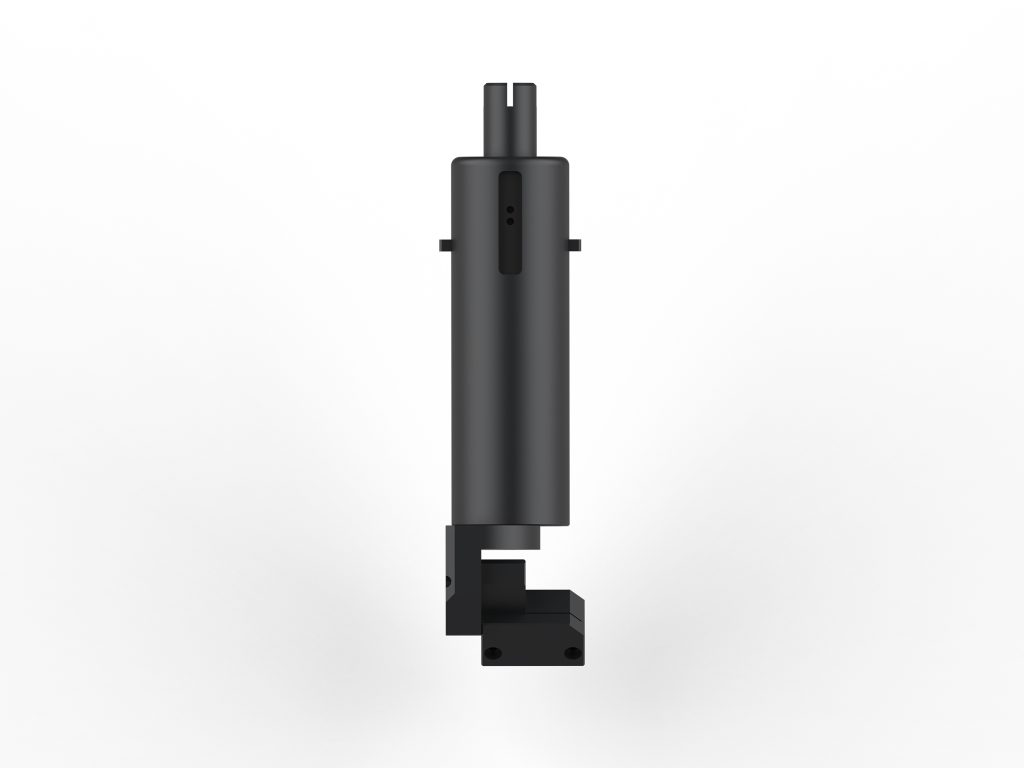
Pneumatic knife and ultrasonic knife
The pneumatic knife is suitable for high-density cotton felt, with a good edge-sealing effect on the cut; the ultrasonic knife is mainly used for composite cotton containing hot-melt adhesive, using high-frequency vibration to locally melt and prevent the adhesive layer from sticking to the knife. When selecting, first confirm the material composition, then decide on the knife head.
How to determine the key parameters
- Cutting thickness: single-layer cotton fabric 0.3–1mm, cotton felt 5–30mm. The nominal thickness of the equipment usually refers to the compressed thickness; when selecting a model, leave a 20% margin in practice.
- Table size: add 100–150mm margin to the largest cut piece size. Garment factories commonly use 1600×2500mm; for home textiles, 2000×3000mm or above is recommended.
- Vacuum adsorption power: cotton material has strong air permeability, so the adsorption force must be ≥15kPa; otherwise the material will shift during multi-layer cutting. The more adsorption zones, the more energy is saved.
- Positioning accuracy: repeat positioning accuracy should be ≤0.1mm, combined with CCD vision or projection positioning, suitable for pattern-matched cutting of printed cotton fabric.
- Control system: supports DXF, PLT, and HPGL formats, with automatic nesting and remnant management functions, which can reduce cotton material waste by 5%–10%.
Debugging and Cutting Parameter Settings
After the equipment is in place, first perform three trial cuts: single layer, 5 layers, and the target layer count. Taking 20 layers of knitted cotton as an example, recommended starting parameters: oscillating knife frequency 12000 times/min, feed speed 300–500mm/s, and knife pressure increased step by step according to the layer count, raising by 0.1–0.2MPa for every additional 5 layers. Cut along the warp direction of the cotton fabric as much as possible to reduce weft skew stretching. Pre-press the table vacuum for 3–5 seconds before cutting to allow the cotton layers to be fully compacted.
Troubleshooting common issues: When the cut edge is fuzzy, check whether the blade edge is worn; cotton fibers wear blades quickly, so it is recommended to inspect every 8–12 hours. When interlayer deviation is large, first check whether the suction force is uniform rather than directly adjusting the knife pressure. If the cut edge turns yellow, it is usually due to blade overheating; reduce the frequency or add intermittent cutting.
Maintenance and Consumable Costs
Daily maintenance of a cotton cutting machine focuses on three areas: the blade, the vacuum table surface, and the guide rails. Blades are high-frequency consumables; an oscillating knife blade has a single-edge life of about 20–40 hours, while a circular blade can be reground 2–3 times. The felt pad on the table surface should be replaced every 3–6 months; otherwise, reduced suction force will cause cutting accuracy drift. Clean the guide rails weekly and apply lubricating grease; in workshops with heavy dust, shorten this to once every 3 days. Based on medium production capacity, annual consumable costs are approximately 3%–5% of the equipment price.
Selection Recommendations
For small workshops with a daily cutting capacity of under 500 layers and mainly thin cotton fabric, round knife models can be chosen, offering low investment and high speed; for those working with cotton felt, composite cotton, or home textile filling cotton, prioritize oscillating knife with a high-adsorption table; for those with printed pattern alignment requirements, a visual positioning system must be equipped. When purchasing, require the supplier to conduct on-site trial cutting with your own cotton material, focusing on interlayer deviation above 20 layers and cut quality—this is more telling than specification sheets.