
What Is an Adhesive Label Proofing Machine?
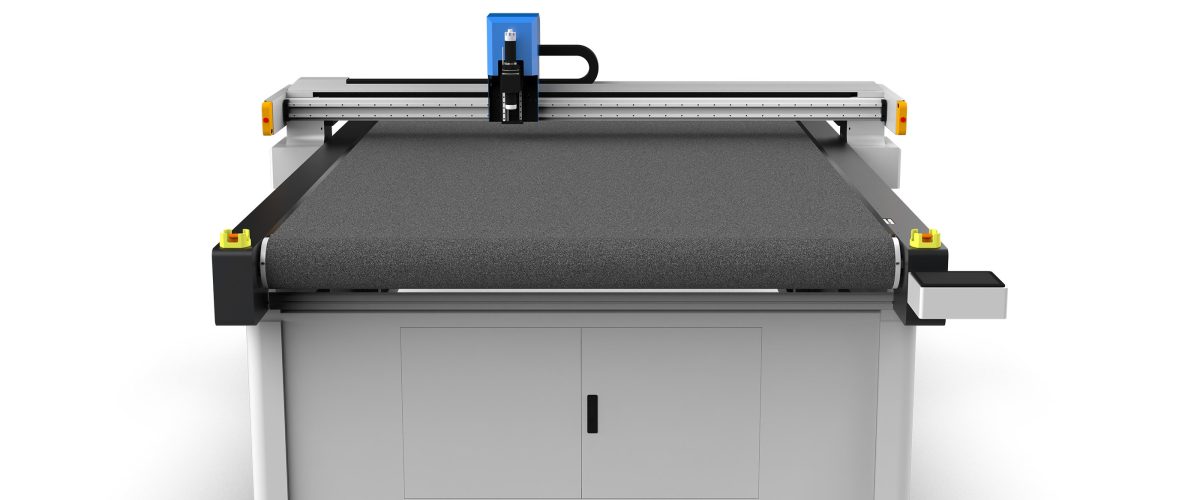
An adhesive label proofing machine is equipment specially used for small-batch proofing or short-run production of adhesive materials (such as labels and stickers). It uses digital cutting or laser cutting technology to cut adhesive materials into the required shapes without making traditional cutting dies, thereby quickly responding to design changes and reducing proofing costs. Compared with large die-cutting machines, proofing machines focus more on flexibility, precision, and efficiency, and are suitable for label printing factories, design companies, packaging enterprises, and other scenarios.
Common Types of Adhesive Label Proofing Machines
1. Flatbed Digital Cutting Machine
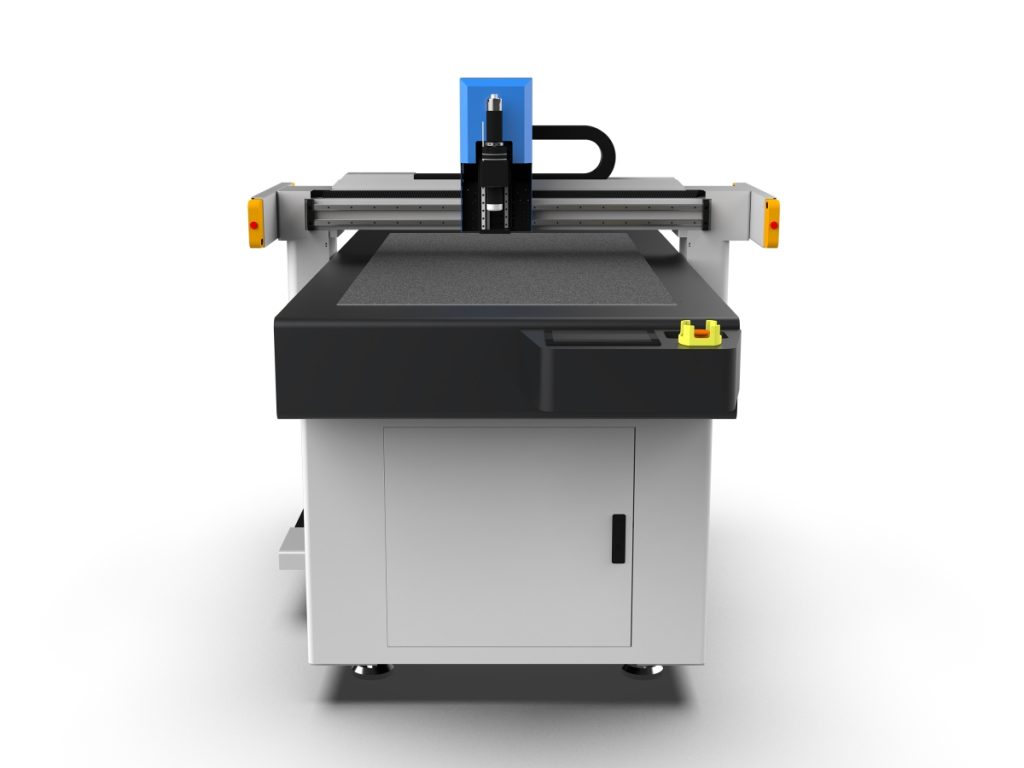
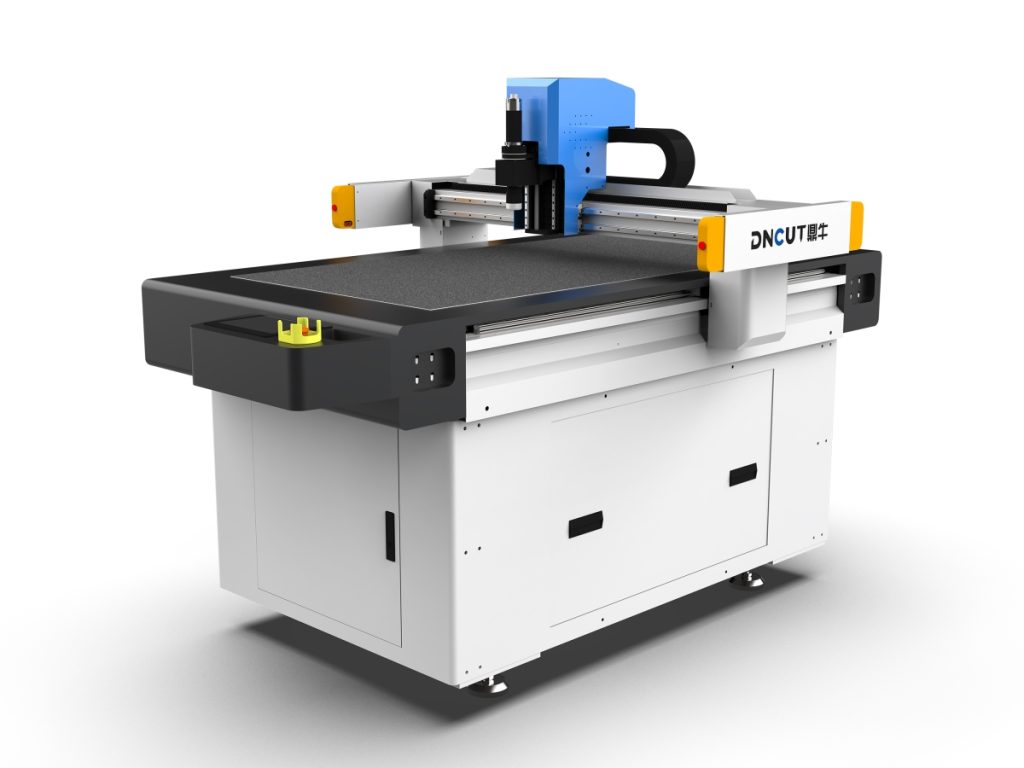
It uses a flatbed working table and cuts through an oscillating knife, drag knife, or laser head. It is suitable for proofing single-sheet materials, with high cutting precision (±0.1mm), and can process adhesive materials with a thickness of 0.1-2mm. Representative brands include DNCUT, etc. Advantages: simple operation, suitable for small batches and multiple varieties; disadvantages: relatively low efficiency, not suitable for continuous roll material production.
2. Roll-to-Roll Digital Cutting Machine
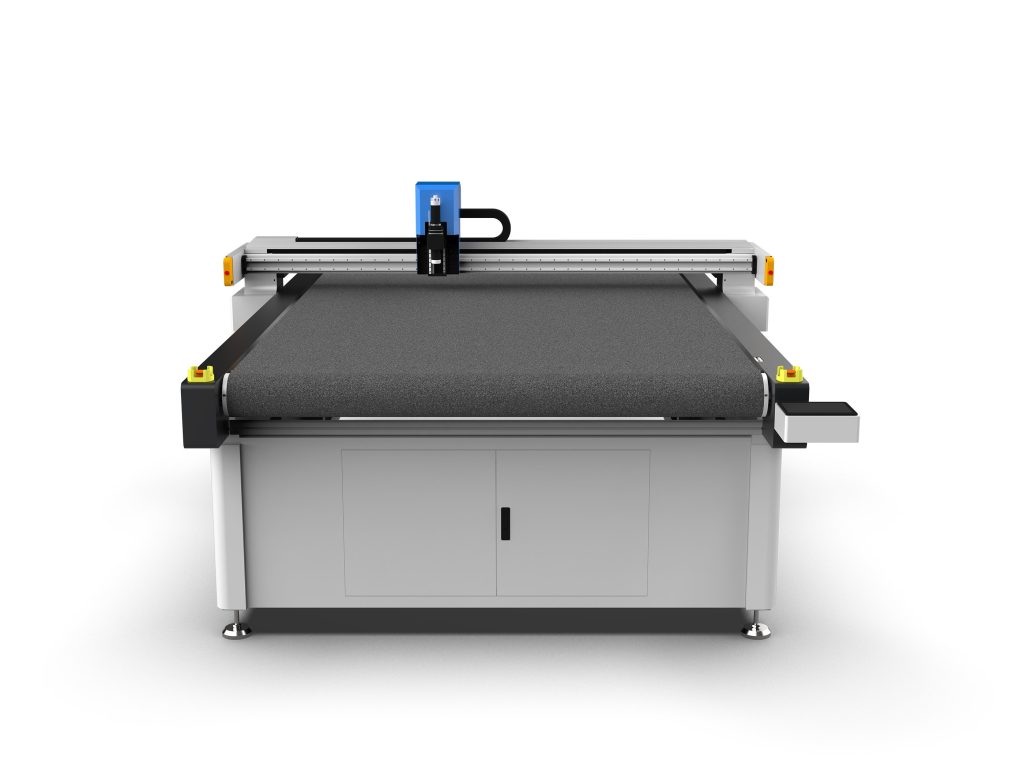
Equipped with roll material feeding and receiving systems, it can continuously cut roll adhesive materials. It is suitable for medium and short-run label production, with a cutting speed of up to 10-30m/min. It supports automatic registration and mark recognition, and is suitable for batch orders. Advantages: high efficiency, suitable for roll materials; disadvantages: relatively high equipment cost.
3. Laser Proofing Machine
It uses a laser beam to cut adhesive materials without knives, and is suitable for complex graphics and fine cutting. Cutting precision can reach ±0.05mm, but burned edges may occur, and it is not suitable for some materials (such as thermal paper). It is suitable for proofing that does not require high edge quality.
Analysis of Core Technical Parameters
When purchasing an adhesive label proofing machine, focus on the following parameters:
- Cutting precision: usually ±0.1mm, and high-precision models can reach ±0.05mm. Precision directly affects label edge quality.
- Maximum cutting speed: flatbed machines are generally 500-1000mm/s, and roll-to-roll machines can reach 10-30m/min. Speed affects production efficiency.
- Cutting thickness: commonly 0.1-2mm, and it needs to be selected according to the total material thickness (face material + adhesive + backing paper).
- Working table size: flatbed machines commonly include 600×400mm, 800×600mm, etc., and the working width of roll-to-roll machines is usually 300-500mm.
- Knife types: oscillating knife, drag knife, round knife, laser, etc. Different knives are suitable for different materials and graphics.
- Positioning method: CCD visual positioning, laser positioning, or mechanical positioning, which affects registration precision.
- Software compatibility: supports formats such as AI, CDR, and PDF, and preferably can directly import design files.
How to Choose a Suitable Adhesive Label Proofing Machine
1. Clarify Proofing Needs
If proofing is mainly for a design company, a single-sheet flatbed machine can meet the need; if a label printing factory needs short-run production, a roll-to-roll machine is more suitable. Consider material type (paper, PET, PVC, etc.), thickness, precision requirements, daily proofing volume, etc.
2. Evaluate Cutting Quality
Ask the supplier to provide sample cutting tests, and check whether the cut is smooth, whether there are burrs, and whether the backing paper is cut through. For fine labels, pay attention to the minimum slit width (usually 0.1-0.3mm).
3. Examine Equipment Stability and Durability
Understand the frame structure, guide rail brand, motor type, etc. A good proofing machine should be able to work continuously for more than 8 hours without failure. Ask about the warranty period for key components.
4. Software and Operating Convenience
The operating software should be intuitive and easy to use, support common design formats, and have functions such as automatic layout and registration mark recognition. Avoid choosing systems that are too closed.
5. After-Sales Service and Technical Support
Choose brands with local service teams to ensure timely response. Understand policies for training, installation, and repair.
Operating Process and Tips for Adhesive Label Proofing Machines
1. File Preparation
Convert design files into vector formats (such as AI and DXF), ensure lines are closed, and remove overlapping nodes. Set the correct cutting line color (usually red or a spot color).
2. Material Fixing
Flatbed machines need to fix materials with vacuum adsorption or tape to ensure they are flat without bubbles. Roll-to-roll machines need correct material threading and tension adjustment.
3. Knife Selection and Adjustment
Choose knives according to the material: use a drag knife or oscillating knife for paper, a round knife for PET, and an oscillating knife for complex graphics. Adjust the knife pressure until it just cuts through the face material without damaging the backing paper (this can be adjusted through test cutting).
4. Parameter Settings
Set cutting speed, knife pressure, acceleration, etc. For fine patterns, reduce speed to improve precision. When using CCD positioning, lens calibration must be performed first.
5. Test Cutting and Batch Production
First test-cut a pattern and check the quality. After it passes, start batch cutting. Pay attention to whether the material shifts and adjust in time.
Common Problems and Solutions
- Not cut through or backing paper cut through: adjust knife pressure or replace the knife; check whether the material thickness is uniform.
- Burrs on the cut edge: reduce cutting speed; use a sharp knife; for PET materials, try a round knife.
- Inaccurate registration: clean the CCD lens; ensure the material is flat; calibrate the positioning system.
- Material shifting: increase vacuum adsorption force; use stronger adhesive fixing tape; check roll material tension.
Maintenance and Care
Regularly clean guide rails and transmission components and add lubricating oil; check knife wear and replace in time; clean the CCD lens and reflector; upgrade software regularly. It is recommended to carry out comprehensive maintenance once every quarter.
Mainstream Market Brands and Price Ranges
Imported brands such as Graphic and Mimaki are relatively expensive (200,000-500,000 yuan), while domestic brands such as DNCUT and Jinhao have outstanding cost-effectiveness (50,000-200,000 yuan). Entry-level flatbed machines are about 30,000-80,000 yuan, and roll-to-roll machines are about 100,000-300,000 yuan. It is recommended to choose according to budget and needs, and there is no need to blindly pursue high-end models.
Summary
Adhesive label proofing machines are key equipment for improving label proofing efficiency. When purchasing, comprehensively consider type, precision, speed, software, and after-sales service, and pay attention to parameter adjustment and maintenance during operation. Reasonable use of the proofing machine can greatly shorten the proofing cycle and reduce development costs.