
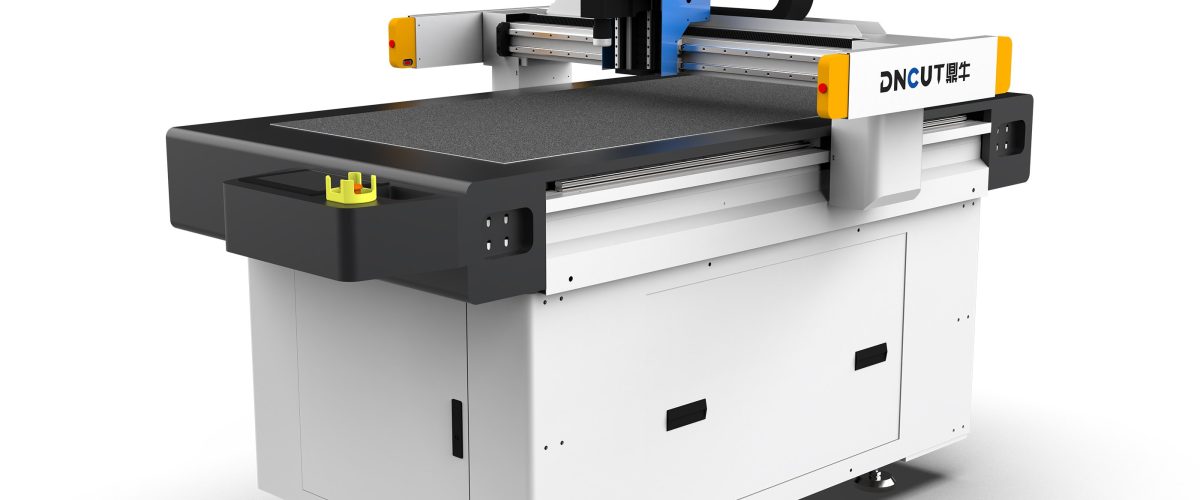
Cotton Sample Making Machine: A Complete Guide from Selection to Efficient Use
In industries such as textiles and apparel, home textiles, and automotive interiors, the sampling process for cotton materials directly affects product development cycles and costs. As a CNC cutting equipment specially used for flexible materials such as cotton felt, cotton fabric, and cotton batting, the selection and use of a cotton sample making machine directly relate to sampling precision and efficiency. Based on actual production experience, this article systematically reviews the key technical parameters, selection logic, operating points, and common problems of cotton sample making machines, providing actionable reference for technical personnel.
I. Core Working Principle of Cotton Sample Making Machines
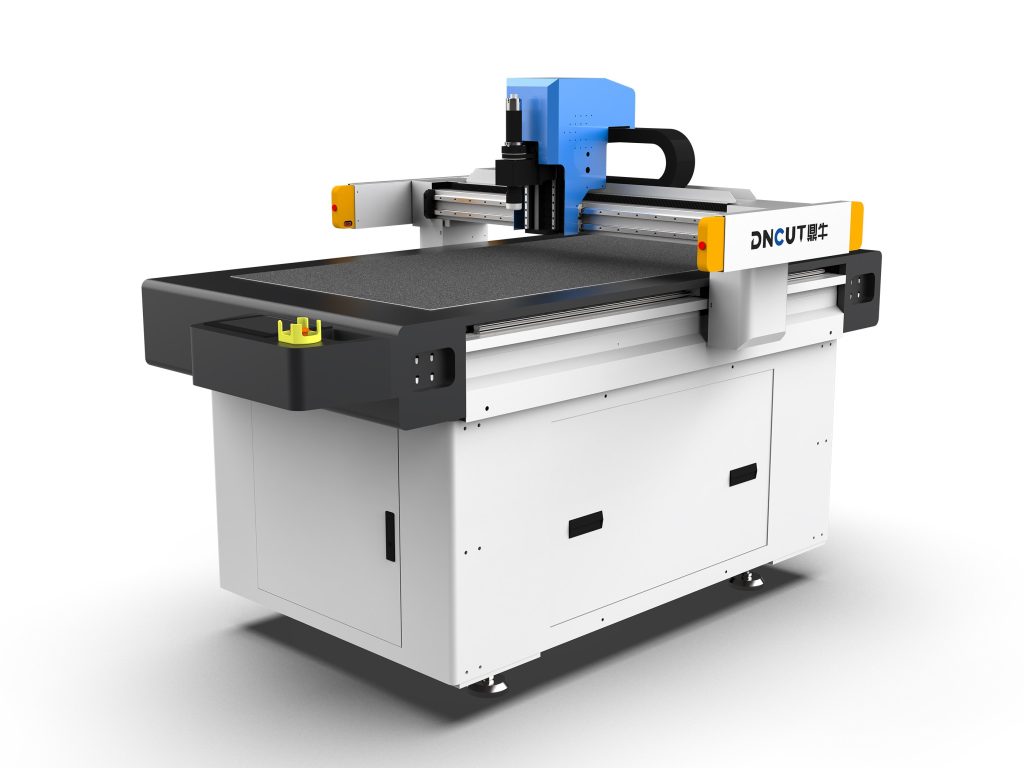
Cotton sample making machines usually adopt oscillating knife cutting technology, performing cold cutting on cotton materials through high-frequency vibrating blades (frequency range typically 8,000-15,000 times per minute). Compared with laser cutting, the oscillating knife does not produce burned edges or scorch marks, making it especially suitable for heat-sensitive materials such as cotton batting and cotton felt. The equipment is equipped with a vacuum adsorption platform, which fixes the fluffy cotton material through negative pressure to ensure cutting precision. Typical configurations include:
- Cutting head: Multiple tools such as oscillating knife, round knife, and punching knife are available, switched according to material thickness and pattern complexity.
- Adsorption system: Zoned vacuum adsorption with adjustable suction, adapting to cotton materials of different densities and thicknesses.
- Control system: Supports DXF, PLT, AI, and other formats, compatible with mainstream CAD software.
- Table surface: Brush table or honeycomb table; the brush table is more conducive to fixing breathable materials.
For cotton felt with a thickness exceeding 10mm, it is recommended to choose an oscillating knife with automatic knife adjustment to avoid tool deviation during cutting. The cutting speed is usually set at 200-800mm/s, depending on material density and pattern fineness.
II. Key Selection Parameters and Practical Advice
When purchasing a cotton sample making machine, focus on the following parameters and match them to your own sampling needs:
1. Effective Cutting Working Area
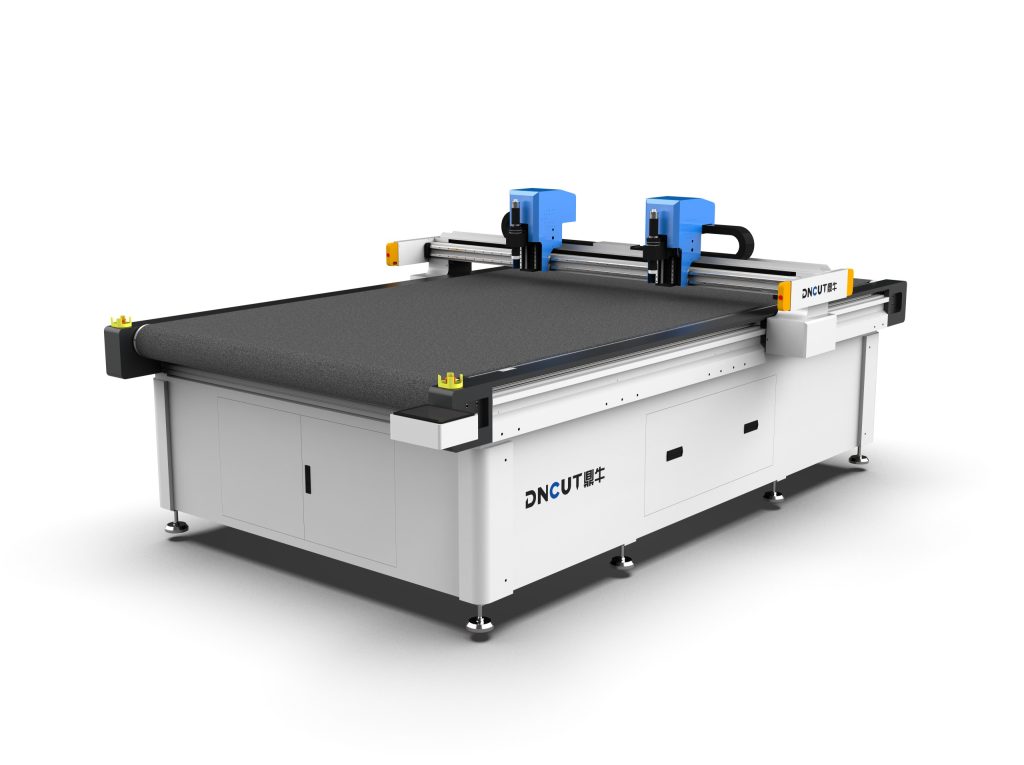
Common working areas include 1600mm×2500mm, 2100mm×3000mm, etc. If sampling mainly involves small and medium-sized pieces (such as garment cut pieces and household items), 1600mm×2500mm is sufficient; if large-format home textiles or automotive interiors are involved, it is recommended to choose 2100mm×3000mm or above. Note: the larger the working area, the corresponding increase in equipment footprint and vacuum pump power requirements.
2. Cutting Precision and Repeat Positioning Accuracy
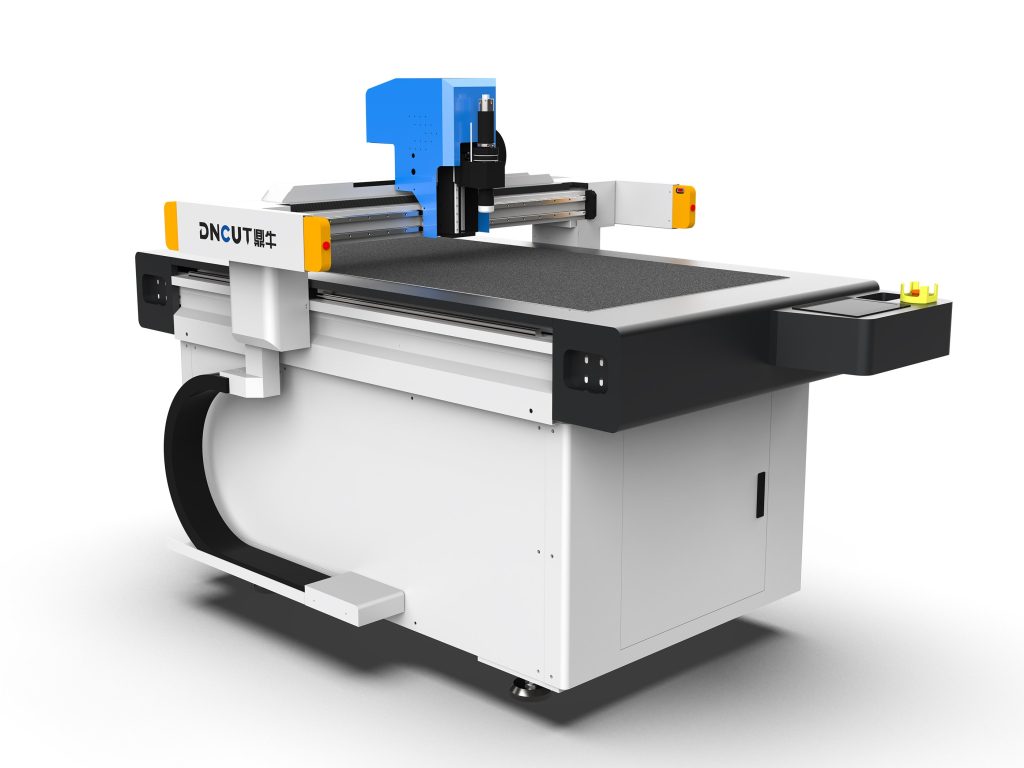
The precision requirement for cotton material sampling is usually within ±0.5mm, which can meet most scenarios. However, if sampling involves splicing or alignment, it is recommended to choose equipment with repeat positioning accuracy of ±0.1mm. During actual testing, the same pattern can be cut continuously 5 times to measure dimensional deviation. In addition, pay attention to the transmission method of the equipment: rack-and-pinion transmission is prone to accumulated errors over long strokes, while linear guide + timing belt transmission offers more stable precision.
3. Adsorption Capacity and Material Adaptability
The breathability of cotton batting and cotton felt varies greatly. Insufficient adsorption force will cause material displacement, while excessive adsorption force may crush fluffy materials. It is recommended to choose equipment with adjustable adsorption force (adjusting vacuum pump speed through a frequency converter) and zoned control. For highly fluffy cotton with a thickness exceeding 20mm, consider adding a pressing roller or adopting a low-adsorption + slow-cutting strategy.
4. Tools and Cutting Speed
The oscillating knife is suitable for cutting cotton materials with a thickness of 0.5-30mm, while the round knife is more suitable for cutting thinner cotton fabric. Cutting speed needs to be adjusted according to material thickness: thin materials (10mm), 200-400mm/s is recommended. Excessive speed will cause burrs at the cut or material tearing.
5. Software and Automation Functions
Check whether the equipment supports automatic nesting, path optimization, breakpoint resume cutting, and other functions. For small-batch, multi-variety sampling scenarios, automatic nesting can significantly reduce material waste. Some high-end models are equipped with CCD visual positioning, suitable for sampling with alignment requirements (such as contour cutting of printed cotton fabric).
III. Operating Points and Efficiency Improvement Tips
Correct operating habits can extend equipment life and ensure sampling quality. The following are key points summarized from actual production:
- Material fixing: When laying material, ensure the cotton material is flat without wrinkles, and seal the surroundings with tape or pressure strips to avoid air leakage that reduces adsorption force. For rolled materials, it is recommended to use an unwinding rack and maintain appropriate tension.
- Tool selection and replacement: Use serrated blades when cutting cotton batting, and straight-edge blades when cutting cotton fabric. After blade wear, burrs will appear at the cut. It is recommended to check blade sharpness every 80-100 hours of cutting, or replace according to cutting length (about 5,000-8,000 meters).
- Parameter presets: Establish a parameter library for commonly used materials, recording combinations of cutting speed, vibration frequency, adsorption force, etc. For example: 3mm cotton felt: speed 600mm/s, vibration frequency 12,000 times/min, adsorption force 70%; 10mm cotton felt: speed 300mm/s, vibration frequency 10,000 times/min, adsorption force 90%.
- Daily maintenance: Clean cotton batting from the table brush and vacuum suction inlet daily, check guide rail lubrication and belt tension weekly, and calibrate cutting precision once a month. The vacuum pump requires regular filter replacement to prevent cotton dust from entering the pump body.
IV. Common Problems and Solutions
Problem 1: Burrs or tearing at the cutting edge
Cause: Blunt blade, excessive cutting speed, or insufficient vibration frequency. Solution: Replace the blade, reduce speed by 10%-20%, and increase vibration frequency to above 12,000 times/min.
Problem 2: Material displacement during cutting
Cause: Insufficient adsorption force or uneven material laying. Solution: Check the sealing condition, increase adsorption force, and for materials with extremely strong breathability, cover with a film to assist adsorption.
Problem 3: Accumulated cutting precision deviation
Cause: Worn transmission components or unlubricated guide rails. Solution: Clean the guide rails and apply lubricating grease, check timing belt tension, and replace worn rack-and-pinion if necessary.
Problem 4: Excessive vacuum pump noise or overheating
Cause: Clogged filter or poor pump body heat dissipation. Solution: Clean or replace the filter, ensure good ventilation around the pump body, and check the pump oil level (if applicable).
V. Maintenance Cost and Investment Return Analysis
The maintenance cost of a cotton sample making machine mainly includes consumable parts (blades, brush table, filters) and power consumption. Taking a medium-configuration machine as an example: each blade costs about 50-100 yuan and lasts about 80 hours; the brush table is replaced every 2-3 years at a cost of about 2,000-4,000 yuan; the vacuum pump power is usually 5.5-7.5kW, and based on 8 hours of operation per day, the daily electricity cost is about 30-50 yuan. Compared with outsourcing sampling, one machine can recover its investment within 6-12 months through saved sampling costs, depending on sampling frequency.
Summary: When purchasing a cotton sample making machine, priority should be given to cutting precision, adjustable adsorption, and software ease of use, rather than blindly pursuing large working areas or high speed. Establishing a parameter library and a regular maintenance system during daily use can significantly improve sampling efficiency and equipment life.