
Corrugated Sample Cutting Machine: A Complete Guide from Selection to Efficient Operation
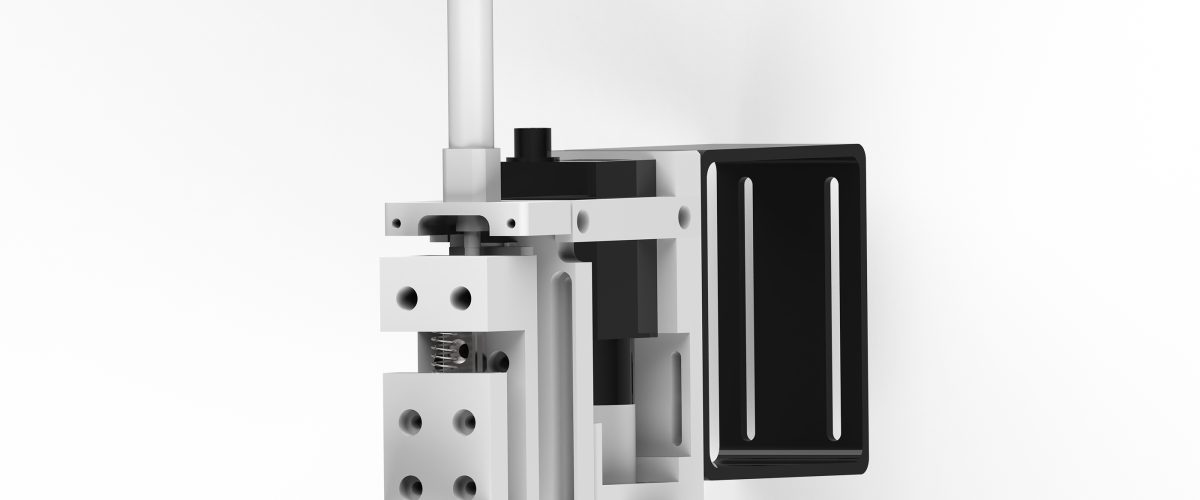
The corrugated sample cutting machine is the core equipment for packaging companies to achieve rapid sampling and design verification. Compared with laser cutting or traditional die cutting, the CNC corrugated sample cutting machine uses an oscillating knife or drag knife to cut, crease, and draw on corrugated cardboard, completing the entire process from design to sample box on a single machine. Based on practical applications, this article provides selection parameters, operation points, and maintenance suggestions to help you maximize equipment value.
I. Core Types and Application Scenarios of Corrugated Sample Cutting Machines
According to the cutting principle, corrugated sample cutting machines are mainly divided into three categories:
- Oscillating knife cutting machine: The blade vibrates at high frequency (usually 3000-8000 times per minute), suitable for cutting corrugated cardboard, honeycomb cardboard, card paper, etc. The cutting edge is smooth, and it can handle multi-layer corrugated board (such as five-layer and seven-layer).
- Drag knife cutting machine: The blade is fixed and cuts by dragging, suitable for thin cardboard or single-layer corrugated board. The cost is lower, but the cutting thickness is limited (generally not exceeding 3mm).
- Multi-tool head cutting machine: Integrates oscillating knife, creasing wheel, drawing pen, V-groove knife, etc., and can complete cutting, creasing, and marking in one pass, suitable for complex sample box production.
When selecting, consider material type, thickness, and production capacity requirements. For example, when frequently processing seven-layer corrugated cardboard (thickness about 7-10mm), choose a model with oscillating knife power ≥500W and cutting speed ≥800mm/s; if single-layer corrugated board is the main material, a drag knife model is sufficient, and the investment cost can be reduced by 30%-40%.
II. Interpretation of Key Performance Parameters
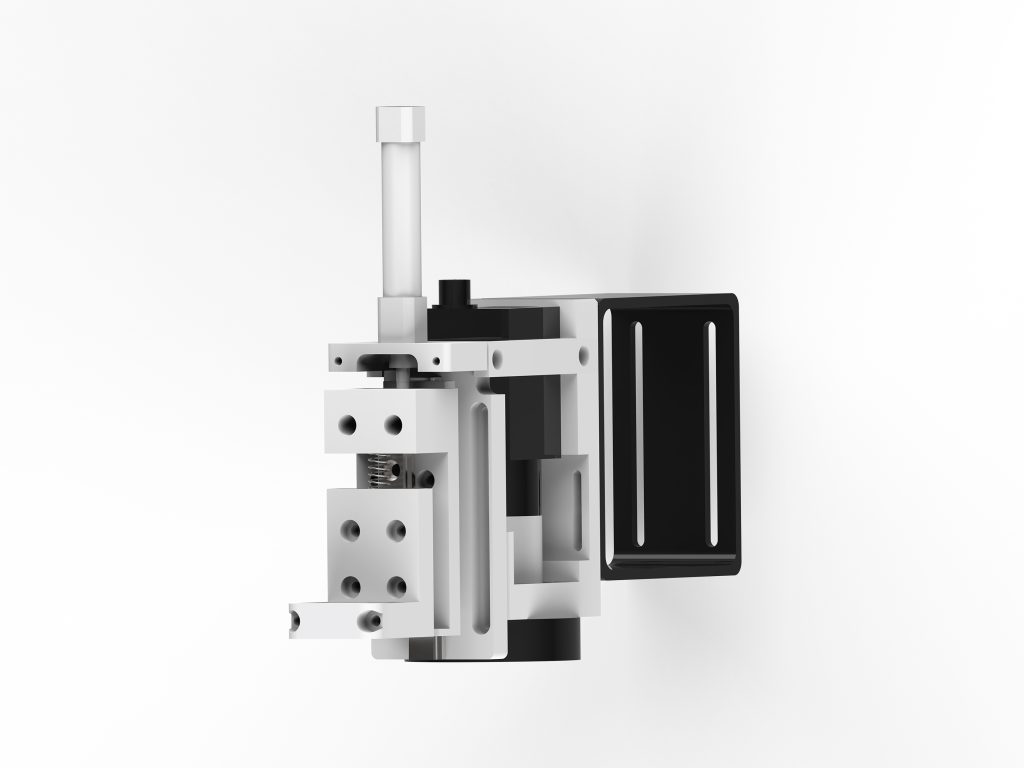
When purchasing a corrugated sample cutting machine, the following parameters directly affect the use effect:
- Effective cutting area: Common specifications include 1300×1000mm, 1600×1200mm, and 2500×1600mm. Choose according to the unfolded size of commonly made sample boxes, and it is recommended to reserve 10%-20% margin. For example, when the maximum unfolded size is 1200×900mm, a 1300×1000mm model is sufficient.
- Cutting accuracy: Usually expressed by repeat positioning accuracy, and high-quality models can reach ±0.1mm. Insufficient accuracy will cause misalignment between the crease line and the cutting line, affecting sample box forming.
- Cutting speed: No-load speed and cutting speed are marked separately. When the oscillating knife cuts corrugated cardboard, the actual cutting speed is about 500-1200mm/s. Too high a speed will cause edge burrs.
- Vacuum adsorption power: Ensures the cardboard is firmly fixed during cutting. For a 1600×1200mm table, the vacuum pump power is recommended to be ≥2.2kW, and the adsorption force ≥18kPa.
- Number of tool heads: At least configure three tools: oscillating knife, creasing wheel, and drawing pen, to reduce manual tool change time. High-end models can be equipped with more than 8 tool heads.
III. Operation Process and Practical Techniques
1. File Preparation and Layout
Use CAD or box design software (such as ArtiosCAD, Impact) to draw the die-cut drawing and export it in DXF or PDF format. When laying out, note:
- Place cutting lines and crease lines on separate layers for easy equipment identification.
- The spacing between adjacent sample boxes should be ≥10mm to avoid cutting interference.
- Add positioning marks (such as cross lines) for subsequent verification.
2. Material Placement and Adsorption
Lay the corrugated cardboard flat on the table and turn on vacuum adsorption to ensure the cardboard fits completely. For warped cardboard, use pressure rollers to assist fixation. Note the cardboard grain direction: the corrugated direction is usually perpendicular to the crease line to ensure folding strength.
3. Tool and Parameter Settings
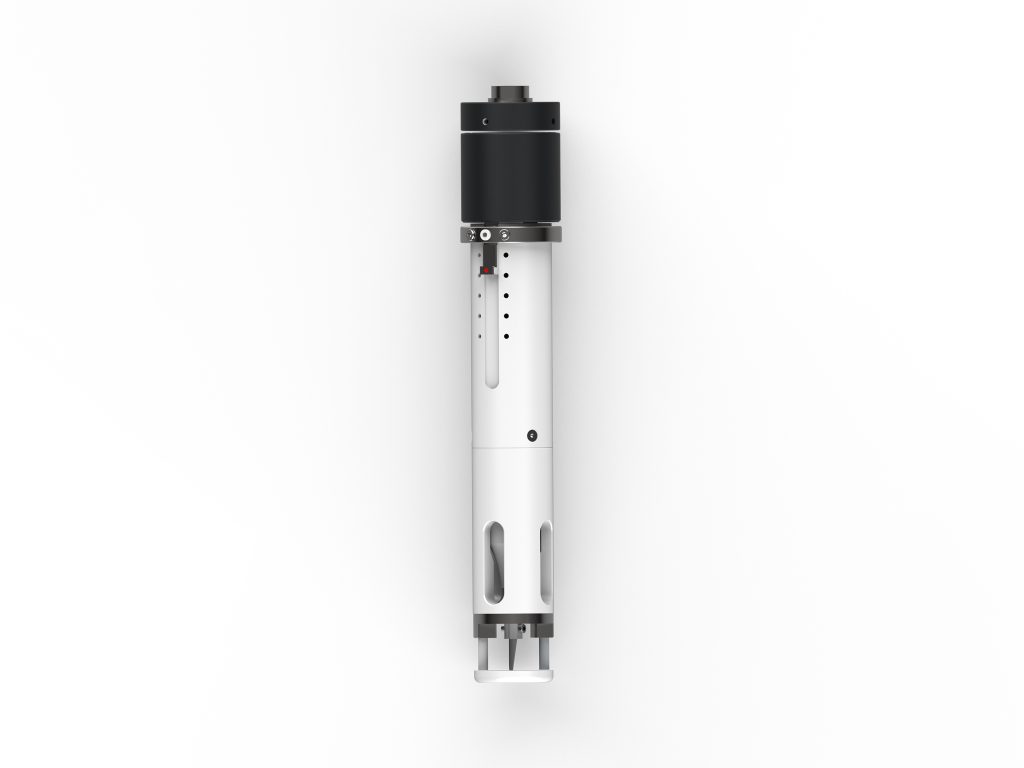
Adjust the blade tip extension length according to cardboard thickness:
- Three-layer corrugated board (thickness about 3-4mm): blade tip extension 1.5-2mm, vibration frequency 4000-5000 times/min.
- Five-layer corrugated board (thickness about 5-7mm): blade tip extension 2.5-3mm, vibration frequency 5000-6000 times/min, cutting speed reduced to 600-800mm/s.
- Seven-layer corrugated board (thickness about 8-10mm): blade tip extension 3.5-4mm, vibration frequency 6000-7000 times/min. It is recommended to cut in two passes, with each depth not exceeding 5mm.
The creasing depth needs to be adjusted according to cardboard thickness, generally 20%-30% of the cardboard thickness. Too deep will damage the corrugated board, and too shallow will result in uneven folding.
4. Trial Cutting and First Article Confirmation
Before formal cutting, first use waste material for trial cutting and check:
- Whether the cutting edge is smooth, without burrs or tearing.
- Whether the crease line is clear, without cracks after folding.
- Whether the dimensional accuracy is within ±0.5mm (allowable tolerance for sample boxes).
After confirmation, proceed with batch sampling.
IV. Common Problems and Solutions
- Burrs on cutting edge: Check whether the blade is worn (it is recommended to replace the blade every 200-300 square meters of cutting), or reduce the cutting speed by 10%-20%.
- Crease line offset: Check tool head calibration to ensure the creasing wheel and oscillating knife are in the same coordinate system; or check whether the cardboard has slipped.
- Cardboard not cut through: Increase the blade tip extension length, or increase the vibration frequency; for thick cardboard, cut in layers.
- Insufficient vacuum adsorption: Clean the adsorption holes on the table, check whether the vacuum pipeline is leaking, or replace the vacuum pump filter element.
V. Maintenance and Care Suggestions
Regular maintenance can extend equipment life and maintain accuracy:
- Daily: Clean the table, guide rails, and tool heads, and remove paper scraps.
- Weekly: Check blade wear, clean the vacuum pump filter element, and lubricate the guide rails (use lithium-based grease).
- Monthly: Calibrate tool head position, check belt tension, and test vacuum adsorption pressure.
- Quarterly: Replace severely worn blades and creasing wheels, and check electrical connections.
It is recommended to establish a maintenance log to record blade replacement cycles and calibration data for easy tracking of equipment status.
VI. Selection and Procurement Checklist
When purchasing a corrugated sample cutting machine, evaluate against the following checklist:
- Does the maximum cutting size meet current and future 1-2 year needs?
- Does it support the required material thickness (such as seven-layer corrugated board)?
- Does the tool head configuration include oscillating knife, creasing wheel, and drawing pen?
- Is the vacuum adsorption power sufficient (≥2.2kW)?
- Is the software compatible with common design formats (DXF, PDF, AI)?
- Are after-sales service response time and spare parts supply timely?
It is recommended to ask the supplier to provide a sample machine trial cutting, using your own commonly used cardboard to test cutting effect and efficiency.
Conclusion
The corrugated sample cutting machine is a key tool for improving packaging sampling efficiency. Through reasonable selection, standardized operation, and regular maintenance, the sampling cycle can be shortened from several days to several hours while ensuring sample box quality. I hope this guide can provide practical help for your equipment selection and use.