
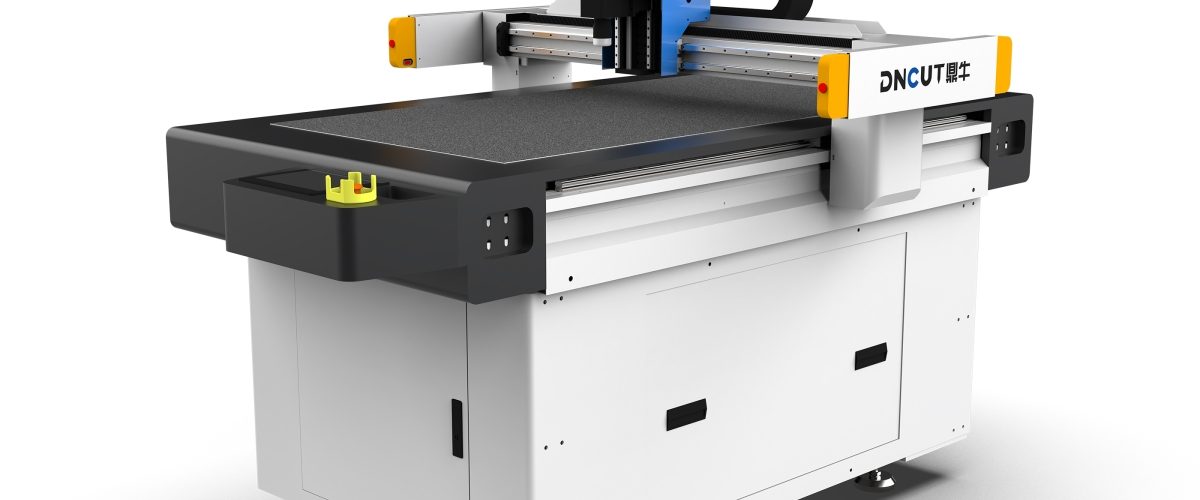
Fabric cutting machine: the core equipment for flexible material cutting
In industries such as apparel, home textiles, and automotive interiors, the fabric cutting machine is key equipment that determines production efficiency and material utilization. Compared with traditional manual cutting or mechanical blade cutting, modern CNC fabric cutting machines use technologies such as oscillating knife, circular knife, or laser to achieve high-precision, high-speed automated cutting. This article focuses on equipment selection, process parameter settings, common problem solving, and maintenance, providing practical recommendations that can be implemented.
I. Main types of fabric cutting machines and applicable scenarios
According to the cutting principle, fabric cutting machines are mainly divided into oscillating knife cutting machines, circular knife cutting machines, and laser cutting machines. The oscillating knife cuts through high-frequency up-and-down vibration and is suitable for most textiles, especially multi-layer cutting; the circular knife cutting machine is suitable for fast cutting of a single layer or a small number of layers; the laser cutting machine is used for thin fabrics with extremely high precision requirements, but attention must be paid to the issue of edge burning.
1. Oscillating knife cutting machine
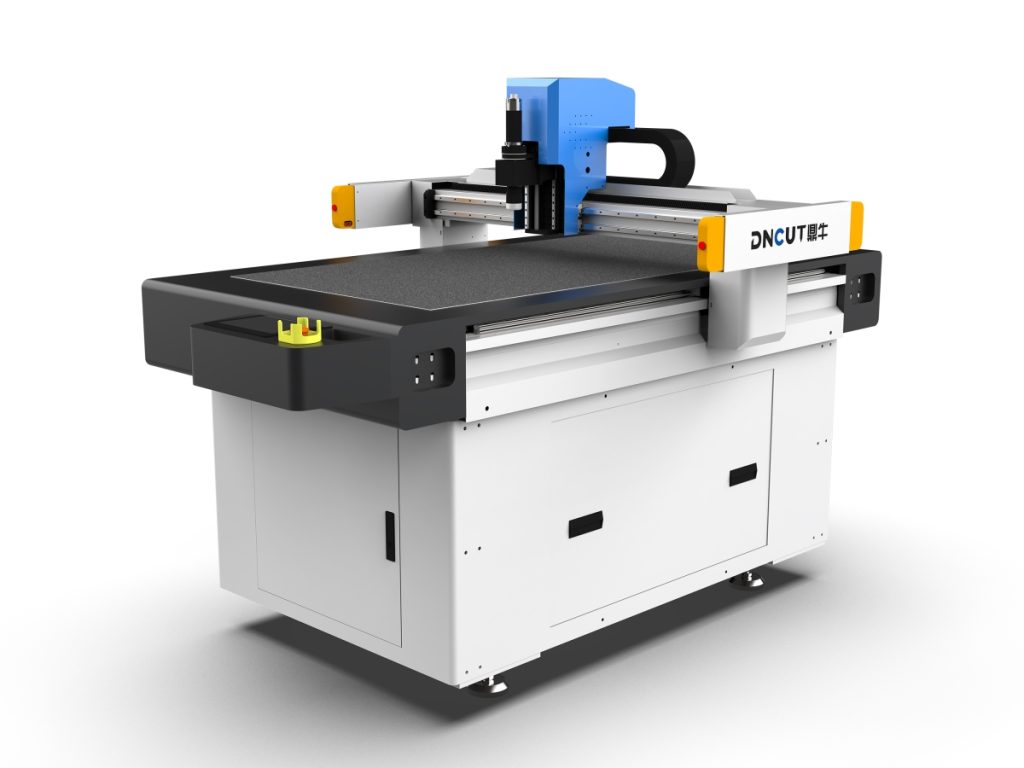
The oscillating knife cutting machine is the mainstream choice in the current market and can be equipped with various knife heads (such as pointed knife, circular knife, and punching knife) to adapt to different materials. Its advantages lie in fast cutting speed (up to 120 m/min), high precision (±0.1 mm), and the ability to handle multi-layer fabric (usually no more than 10 layers, depending on fabric thickness). For heavy fabrics such as denim and canvas, it is recommended to use a high-power oscillating knife (power ≥1.5 kW).
2. Rotary knife cutting machine
The circular knife cutting machine has a simple structure and low cost, and is suitable for continuous cutting of single-layer or 2-3 layer thin fabrics. Its cutting speed can reach 80 m/min, but the accuracy is slightly lower (±0.3 mm), and it is not suitable for highly elastic fabrics, which are prone to deformation.
3. Laser cutting machine
The laser cutting machine uses a high-energy laser beam to melt or vaporize the material, with cutting accuracy up to ±0.05 mm and no mechanical stress. However, laser cutting produces burnt edges and odors, especially obvious for fabrics containing chemical fibers, so it is mostly used in special fields such as industrial filter cloth and airbags. If laser must be used, it is recommended to equip an auxiliary air blowing system to reduce scorching.
II. Key parameters for model selection: not just price
When purchasing a fabric cutting machine, the following parameters should be comprehensively considered to avoid “price-only” thinking.
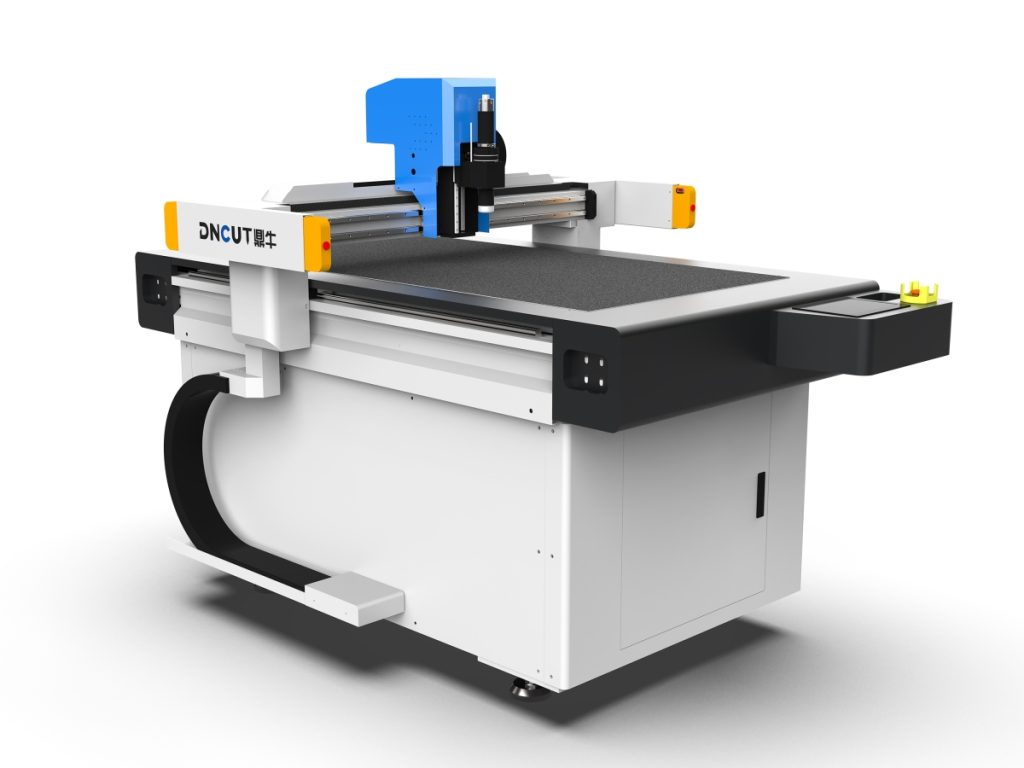
- Effective cutting area: Choose according to the commonly used fabric width. For example, garment factories commonly use 1.6m or 1.8m widths, and the corresponding cutting table size is recommended to be 1.7m×2.5m or larger to ensure layout flexibility.
- Cutting speed: Faster is not always better. High-speed cutting may affect accuracy, especially in multi-layer cutting. It is recommended to choose equipment with an adjustable speed range of 0-120 m/min, and pay attention to acceleration performance (e.g., ≥0.5G) to ensure cutting quality at corners.
- Cutting accuracy: Typically ±0.1mm is preferred. For high-end apparel or automotive interiors, it is recommended to choose high-precision models with ±0.05mm.
- Maximum cutting thickness: Depends on fabric type and number of layers. For example, cutting 10 layers of denim (approximately 0.8mm per layer) requires the cutting machine to have a cutting capacity of at least 8mm; in this case, a model with an oscillating knife power of ≥2kW should be selected.
- Vacuum adsorption system: During multi-layer cutting, vacuum adsorption can secure the fabric and prevent displacement. The adsorption force is recommended to be ≥0.6MPa, and the adsorption area should be zone-controllable to save energy and accommodate cut pieces of different sizes.
- Control system: Prioritize software that supports common formats such as DXF and PLT, and features automatic nesting, which can improve material utilization by 5%-15%.
III. Process Parameter Settings: Taking an Oscillating Knife Cutting Machine as an Example
Correct parameter settings directly affect cutting quality and efficiency. The following are reference parameters for common fabrics (taking a certain brand’s 1.5kW oscillating knife cutting machine as an example):
- Cotton fabric (single layer): oscillation frequency 18,000 times/min, cutting speed 60 m/min, knife head angle 45°, vacuum adsorption 0.4MPa.
- Polyester fabric (5 layers): oscillation frequency 20,000 times/min, cutting speed 40 m/min, knife head angle 30°, vacuum adsorption 0.6MPa.
- Denim (8 layers): vibration frequency 22,000 times/min, cutting speed 25 m/min, blade angle 20°, vacuum adsorption 0.8MPa, a cooling system is recommended to prevent blade overheating.
- Leather (single layer): vibration frequency 15,000 times/min, cutting speed 50 m/min, blade angle 60°, vacuum adsorption 0.3MPa, a dedicated leather blade must be used.
Note: The above parameters need to be fine-tuned according to the actual fabric weight, coating, and equipment status. It is recommended to perform a small-sample trial cut first and observe the cut quality (no burrs, no melting) before mass production.
IV. Common Problems and Solutions
1. Fuzzing or fraying at the cut edge
The cause may be worn blade or too low vibration frequency. Solution: Check the blade wear and replace it promptly (usually every 500-800 meters of cutting); appropriately increase the vibration frequency (by 10%-15%); for fabrics prone to fraying, use a serrated blade or add heat-sealing treatment.
2. Lower layer offset during multi-layer cutting
This is usually caused by insufficient vacuum suction or low friction between fabric layers. Recommendations: Check whether the vacuum pump pressure reaches 0.6 MPa or above; spray a small amount of water mist between fabric layers to increase suction; reduce the cutting speed (by 20%) to ensure each layer is fully secured.
3. Decreased cutting accuracy
First, check whether the guide rails and timing belts are loose or worn. It is recommended to calibrate with a laser interferometer once every quarter. Second, check whether the knife head is vertical (deviation should be less than 0.02 mm). If the problem persists, it may be due to control system parameter drift, and origin reset and tool compensation settings need to be performed again.
V. Maintenance: The Key to Extending Equipment Life
Daily maintenance of the fabric cutting machine can reduce the failure rate. It is recommended to implement the following plan:
- Daily: Clean fabric fibers from the table and guide rails, check whether the vacuum adsorption pipeline is blocked, and clean the dust collection box.
- Weekly: Check knife head wear (observe the blade edge with a magnifying glass), lubricate the linear guide rails (use lithium-based grease), and check the pneumatic filter.
- Monthly: Calibrate cutting accuracy (use a standard test pattern), check timing belt tension (sag not exceeding 5mm), and clean dust inside the control cabinet.
- Quarterly: Replace vacuum pump oil (if it is an oil-type pump), check whether electrical connections are loose, and perform a full accuracy calibration of the equipment.
In addition, it is recommended to establish an equipment operation log to record the fabric type, number of layers, parameters, and abnormal conditions of each cutting session, facilitating traceability and optimization.
VI. Practical Tips for Improving Efficiency
- Optimize nesting: Use automatic nesting software to rotate and mirror cut pieces, which can increase material utilization to over 85%. For example, for rectangular cut pieces, common-edge cutting can reduce the cutting path.
- Layer management: Cut different fabrics separately to avoid parameter mismatches caused by thickness differences. For mixed orders, fabrics of similar materials can be placed in the same batch.
- Preventive blade replacement: Do not wait until cutting quality declines to replace the blade. Develop a replacement plan based on cutting meters, for example, replace once every 800 meters cut, which can reduce the scrap rate.
- Take advantage of nighttime electricity prices: For large-volume orders, schedule cutting during nighttime off-peak electricity price periods to reduce energy costs.
In summary, the efficient operation of a fabric cutting machine depends on reasonable model selection, fine-tuned parameter settings, and standardized maintenance. We hope the practical suggestions in this article can help you optimize your production process and achieve cost reduction and efficiency improvement.