
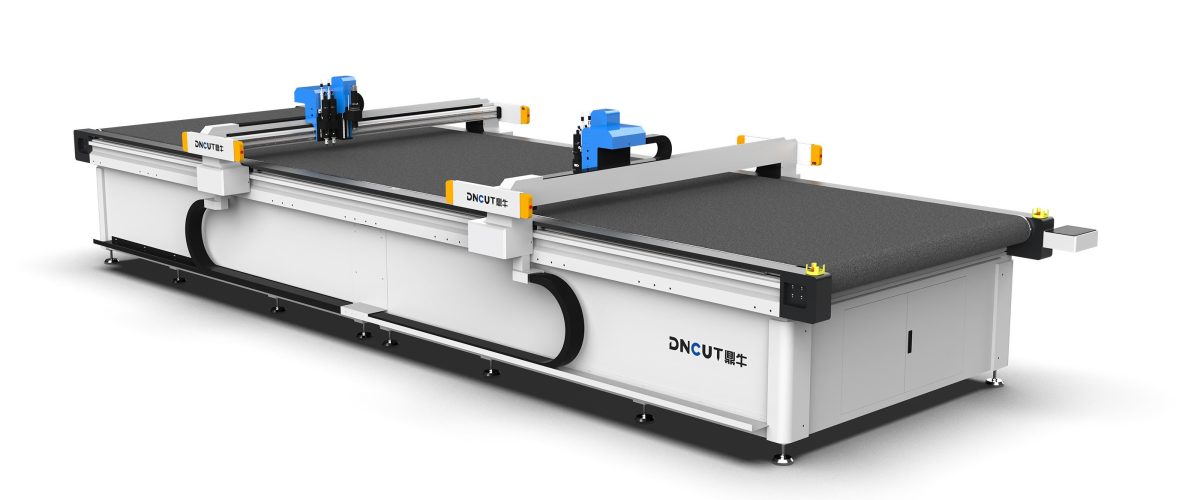
Overview of Carton Cutting Machines
Carton cutting machines are core equipment in the carton processing industry, used to precisely cut corrugated cardboard, cardstock, and other materials into required shapes and sizes. With the rapid development of the e-commerce and logistics industries, demand for cartons continues to grow, and requirements for cutting efficiency and quality are also increasing. This article will explore in depth the types, selection points, operating techniques, and maintenance methods of carton cutting machines, providing practical reference for your production.
Common Types of Carton Cutting Machines
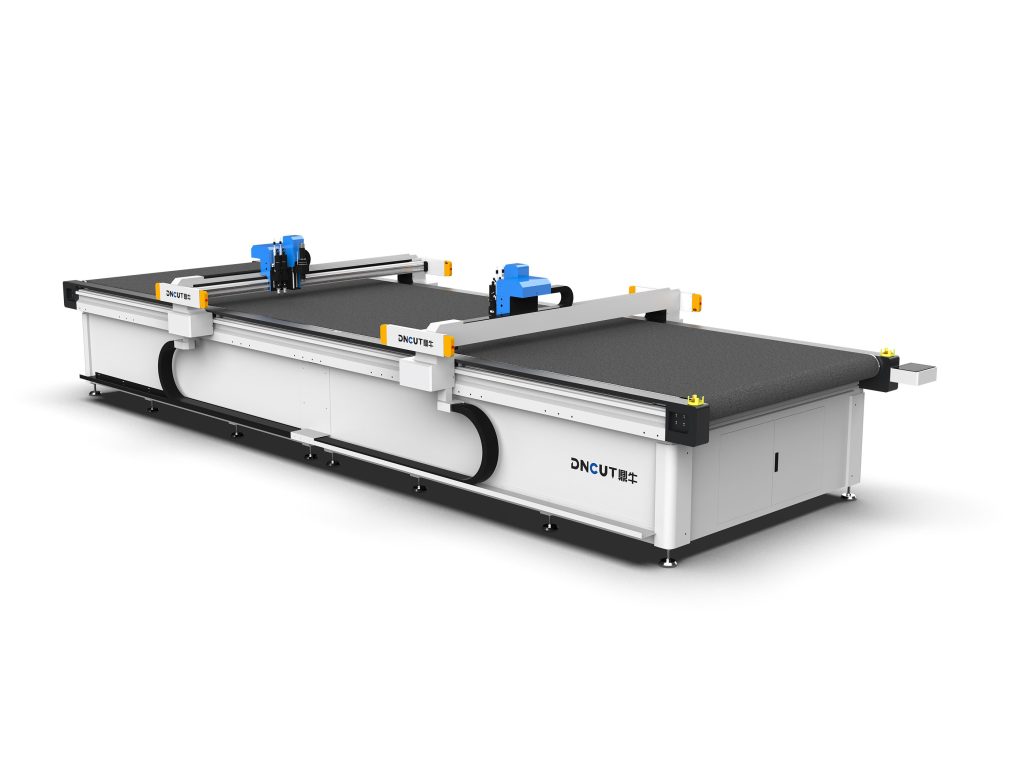
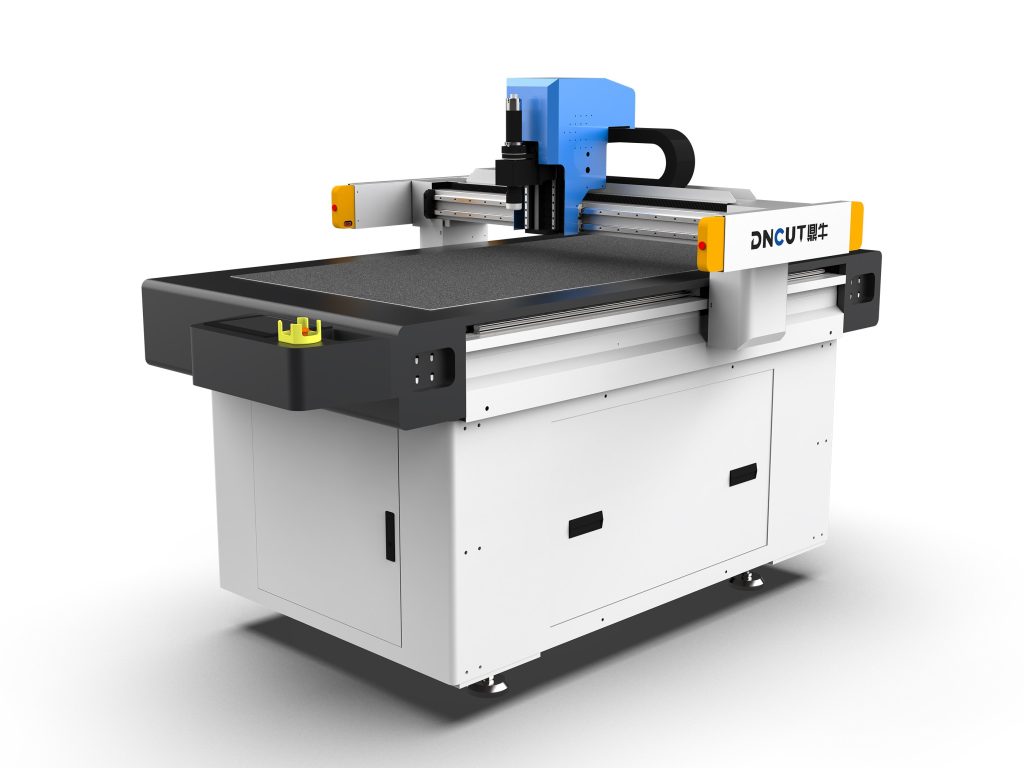
1. CNC Oscillating Knife Cutting Machine
The CNC oscillating knife cutting machine cuts through high-frequency vibrating blades and is suitable for precision processing of corrugated cardboard, honeycomb cardboard, and other materials. Its advantages include high cutting precision (up to ±0.1mm), neat edges, no dust, and easy handling of complex graphics. Typical parameters: cutting thickness 0.5-20mm, maximum cutting speed 1200mm/s, repeat positioning accuracy ±0.05mm.
2. Laser Cutting Machine
The laser cutting machine uses a high-energy laser beam to melt or vaporize materials and is suitable for high-speed cutting of thin cardboard. Cutting speed can reach over 10m/min, but edges will show carbonization, and equipment cost is relatively high, making it suitable for occasions with extremely high precision requirements.
3. Mechanical Blade Cutting Machine
Traditional mechanical blade cutting machines have a simple structure and low cost, and are suitable for large-volume cutting of simple shapes, but precision and flexibility are relatively low, making it difficult to adapt to complex patterns.
4. Rotary Knife Cutting Machine
The rotary knife cutting machine uses a rotating circular blade for cutting and is suitable for slitting continuous roll paper. It is fast but only suitable for straight-line cutting.
How to Choose a Suitable Carton Cutting Machine
When purchasing a carton cutting machine, factors such as material characteristics, production needs, precision requirements, and budget must be comprehensively considered. The following are key selection parameters:
- Cutting material: corrugated cardboard (three-layer, five-layer, seven-layer), cardstock, honeycomb cardboard, etc. Different materials require different cutting methods and blades.
- Cutting thickness: common range 0.5-20mm; select equipment capability according to the thickest material.
- Cutting precision: generally required within ±0.2mm; high-precision occasions require ±0.1mm.
- Working area size: select according to common carton unfolded sizes, such as 1600mm×2500mm or larger.
- Degree of automation: the CNC system supports CAD import, automatic layout, and continuous cutting, greatly improving efficiency.
- Production efficiency: consider cutting speed, tool change time, loading and unloading methods, etc.
- Brand and after-sales service: choose manufacturers with technical support and spare parts supply.
It is recommended to bring samples to the manufacturer for trial cutting before purchase and to inspect the equipment operation on site.
Operating Techniques and Parameter Settings
1. Blade Selection and Installation
Select blades according to the material: corrugated cardboard commonly uses wave blades or pointed blades, while cardstock uses straight blades. During installation, ensure the blade is fastened to avoid looseness affecting precision. Regularly check blade wear and replace in time.
2. Cutting Parameter Optimization
The key parameters of an oscillating knife cutting machine include vibration frequency, cutting speed, cutting depth, and knife pressure. For corrugated cardboard, it is recommended to set the vibration frequency to medium-high frequency (such as 8000-12000 times/min), adjust the cutting speed according to graphic complexity (simple graphics can be faster, complex graphics need to be slower), and set the cutting depth slightly greater than the material thickness to ensure complete cutting. Knife pressure should be moderate; too much can easily cause material deformation, while too little may fail to cut through.
3. Layout and Path Planning
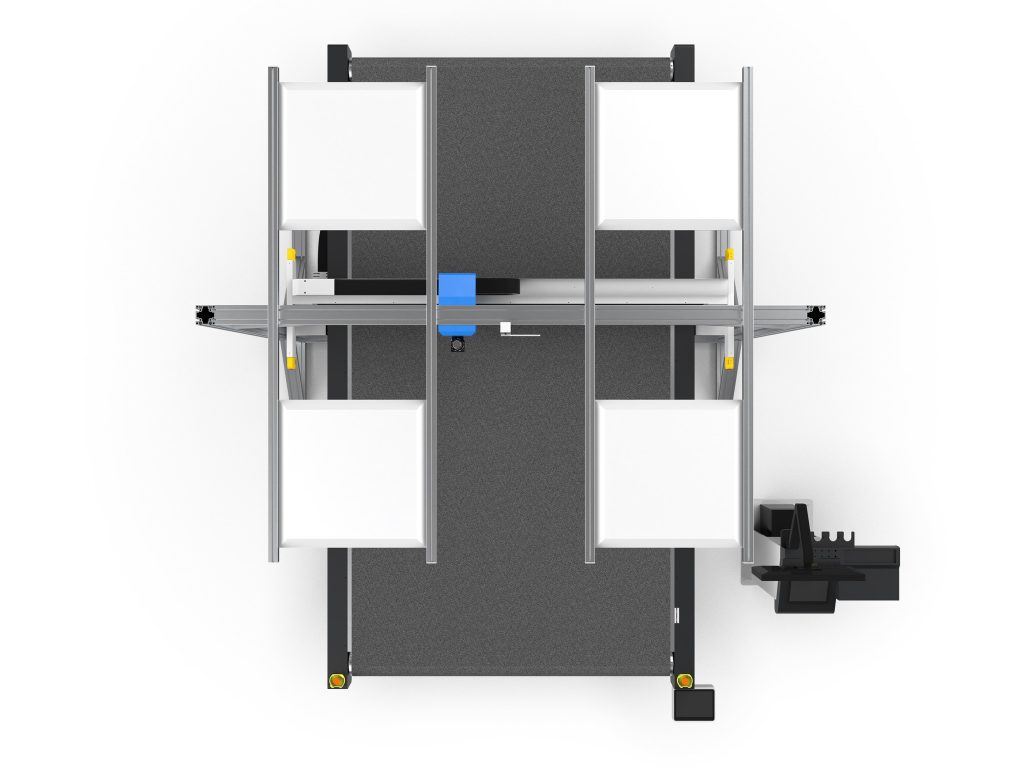
Use CAD/CAM software for optimized layout to reduce material waste. The cutting path should follow the principles of inside first and outside later, and small first and large later, to avoid graphic displacement. For dense graphics, bridging or micro-connections can be set to prevent parts from falling off.
4. Material Fixation
Use a vacuum adsorption table to fix the material and ensure it does not shift during cutting. For highly breathable corrugated cardboard, a layer of film can be covered to enhance adsorption.
Common Problems and Solutions
- Rough cutting edges: check whether the blade is sharp, adjust vibration frequency and cutting speed, and reduce speed if necessary.
- Incomplete cutting: increase cutting depth or knife pressure, check whether the blade is worn, and confirm the material thickness setting is correct.
- Graphic deformation: check whether the material is firmly fixed, optimize the cutting path, and avoid stress concentration caused by continuous cutting.
- Equipment alarm: troubleshoot according to the manual; common causes include sensor failure, overload, etc.
Maintenance and Care
Regular maintenance can extend equipment life and maintain precision:
- Clean the table and guide rails daily to remove paper scraps.
- Check blade wear weekly and replace if necessary; lubricate guide rails and lead screws.
- Check transmission belt tension and electrical connections monthly, and calibrate equipment precision.
- Perform comprehensive maintenance quarterly, including replacing filters and checking vacuum pumps.
Establish maintenance records to detect potential problems in time.
Safety Precautions
When operating a carton cutting machine, safety regulations must be followed:
- Wear protective gloves and goggles to prevent cuts and flying debris.
- Never put hands into the cutting area while the equipment is running.
- Ensure the emergency stop button functions properly.
- Train operators to be familiar with emergency plans.
Conclusion
The correct selection and use of carton cutting machines directly affect production efficiency and product quality. By understanding equipment types, mastering selection parameters, optimizing operating techniques, and performing good maintenance, you can fully utilize equipment performance and reduce production costs. For more technical consultation, welcome to contact professional manufacturers for support.