
Corrugated Cutting Machine: A Complete Guide from Selection to Efficient Production
Corrugated cardboard cutting is a core process in industries such as packaging, advertising displays, and building templates. A suitable corrugated cutting machine not only ensures cut quality but also significantly reduces consumable costs. Based on actual production data, this article systematically outlines the selection parameters, operating standards, and maintenance points of corrugated cutting machines for reference by equipment procurement and production management personnel.
I. Main Types and Application Scenarios of Corrugated Cutting Machines
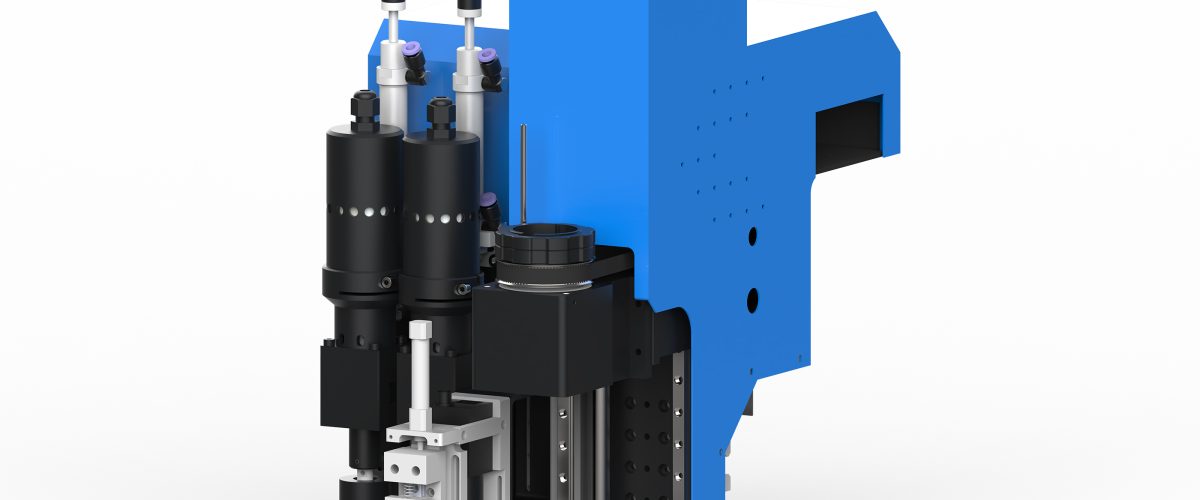
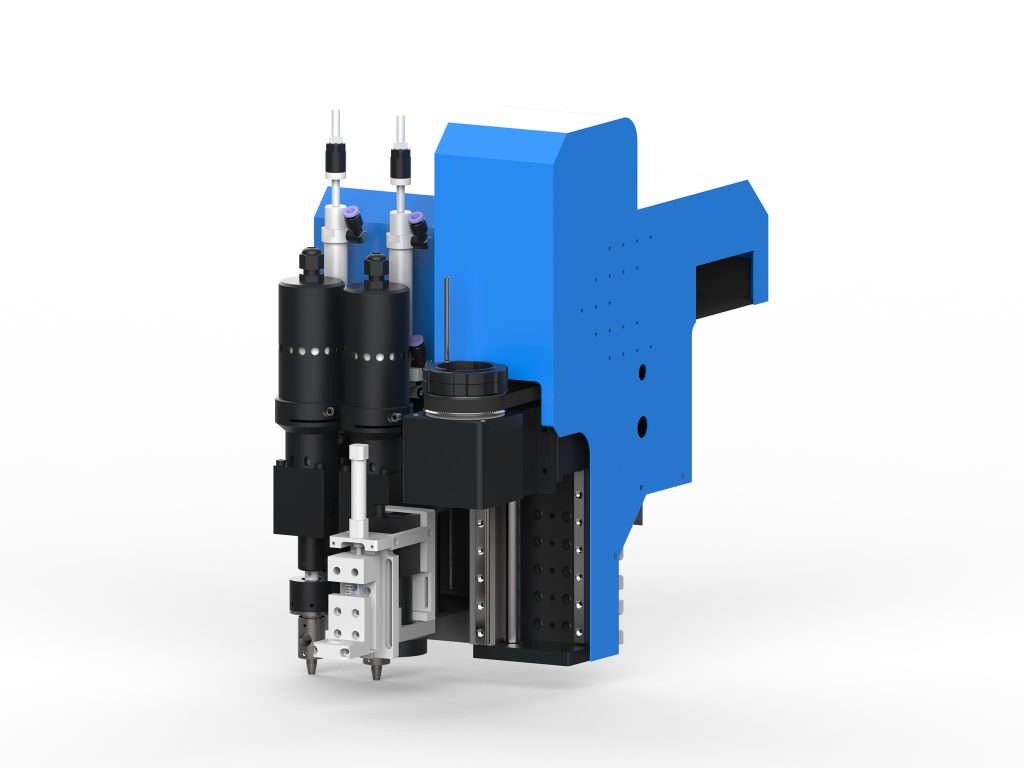
According to the cutting principle, corrugated cutting machines are mainly divided into mechanical blade type, laser type, and oscillating knife type. The mechanical blade type is suitable for high-volume straight-line cutting, with fast speed but poor flexibility; the laser type provides fine cuts but carries the risk of burnt edges and has high equipment costs; the oscillating knife type (also known as oscillating knife) cuts through high-frequency vibration, with minimal indentation on corrugated cardboard and no burnt edges, making it suitable for multi-variety, small-batch production and the current mainstream choice for flexible material cutting.
Taking the 1270.0.0.1 oscillating knife corrugated cutting machine as an example, its cutting thickness range is 1-10mm, cutting speed can reach 1200mm/s, and repeat positioning accuracy is ±0.1mm, which can meet the production needs of the vast majority of corrugated boxes and display stands.
II. 6 Key Parameters That Must Be Considered During Selection
1. Cutting thickness and material adaptability
Common flute types for corrugated cardboard include A, B, C, E, F, etc., with thicknesses ranging from 1mm to 10mm. When purchasing, it is necessary to confirm the machine’s maximum cutting thickness and to note the requirements of different flute types for blade angle and vibration frequency. For example, E-flute (approximately 1.5mm thick) is suitable for high-frequency, low-amplitude cutting, while A-flute (approximately 5mm thick) requires a lower vibration frequency and a larger amplitude.
2. Cutting accuracy and repeat positioning accuracy
Cutting accuracy directly affects the dimensional consistency of finished products. For carton-type products, typically within ±0.5mm is required; for fine display stands, it is recommended to choose a high-precision model of ±0.1mm. Repeat positioning accuracy affects stability during batch production and should be no less than ±0.05mm.
3. Maximum cutting speed
Speed needs to match the production cycle. Generally, the idle speed of an oscillating knife cutting machine can reach 1000-1500mm/s, and the actual cutting speed is affected by material thickness and graphic complexity. It is recommended to verify by trial cutting with actual materials rather than only looking at nominal values.
4. Worktable size
Common table sizes include 1300×2500mm, 1600×2500mm, 2100×3000mm, etc. When choosing, consider the maximum finished product size and reserve allowance. For example, for producing standard cartons (1000×800mm), a 1300×2500mm table can be selected, allowing multiple layouts to be cut at once.
5. Control System and Software Compatibility
Mainstream equipment supports formats such as DXF, PLT, and AI, and can directly read CAD files. It is recommended to choose a control system with automatic layout and path optimization functions, which can reduce idle travel and improve efficiency by 10%-20%. In addition, whether CCD vision positioning is supported is crucial for post-printing cutting.
6. Tool system and consumable costs
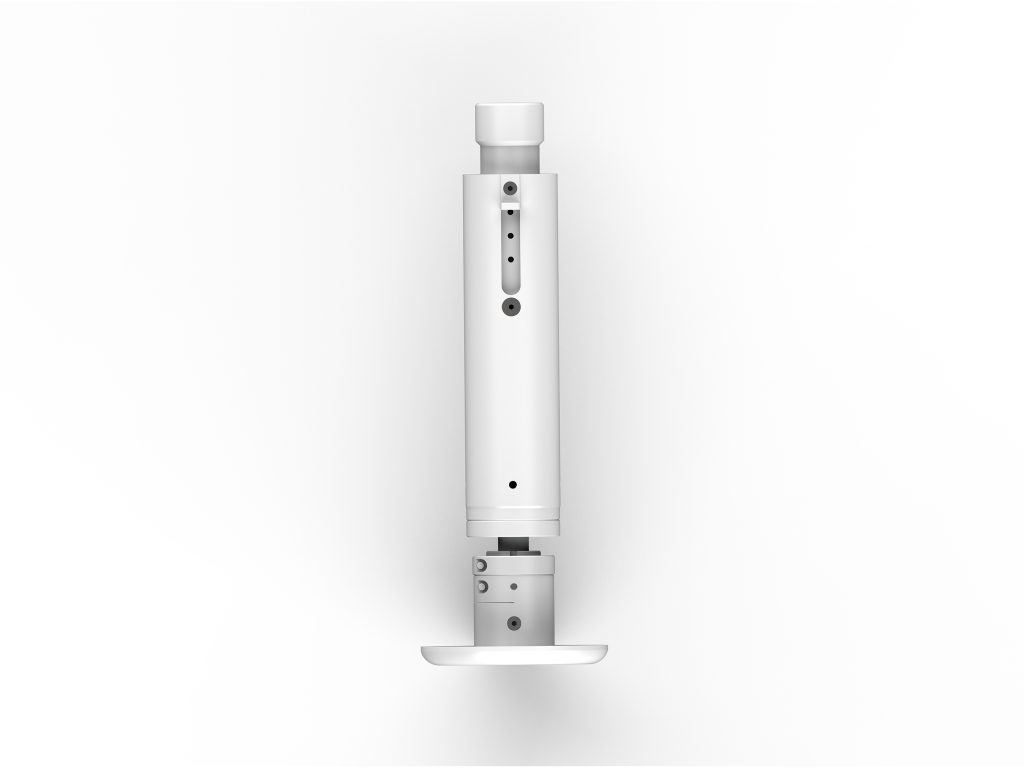
Oscillating blades are consumables, with unit prices ranging from tens to over a hundred yuan, and their lifespan is affected by the abrasiveness of the material. Attention should be paid to the convenience of blade replacement and the cost per blade. For example, when cutting ordinary corrugated cardboard, one blade can work continuously for 8-12 hours; when cutting recycled cardboard containing more impurities, the lifespan may be shortened to 4-6 hours.
III. Operating Techniques: Improving Cutting Quality and Efficiency
1. Parameter Setting Principles
The oscillation frequency and cutting speed need to match: too high a frequency will cause the blade to heat up and accelerate wear; too low a frequency will result in rough cuts. Recommended initial settings: frequency 18,000-22,000 times/min, with speed adjusted according to material thickness (800-1200 mm/s for thin materials, 400-600 mm/s for thick materials). In actual production, the optimal combination should be determined through trial cuts.
2. Blade Selection and Installation
For cutting corrugated cardboard, 30°, 45°, and 60° blades are commonly used. 30° blades are suitable for fine graphics and thin materials, while 60° blades are suitable for thick materials and straight-line cutting. During installation, ensure the blade clamping torque is moderate (typically 2-3N·m). Too loose will cause cutting deviation, while too tight may damage the blade holder.
3. Material Fixation and Vacuum Adsorption
Corrugated cardboard is lightweight and prone to shifting during cutting. It is recommended to use a vacuum adsorption table with a vacuum degree of no less than -0.06MPa. For small-sized workpieces, auxiliary pressing devices can be added or double-sided tape can be used for fixation. Note to regularly clean the suction holes on the table to prevent paper scraps from clogging and affecting adsorption force.
4. Path optimization and nesting
Use the software’s automatic layout function to rotate and mirror graphics, reducing waste from edges and corners. For batch orders, using common-line cutting (adjacent graphics share the cutting line) can save 5%-15% of material. At the same time, set the lead-in and lead-out lines properly to avoid chipping at the entry point.
IV. Common Problems and Solutions
1. Burrs or serrations appear at the cut
The cause may be blade wear, too low vibration frequency, or too fast cutting speed. Solution: replace the blade, increase the frequency to more than 20,000 times/minute, and reduce the speed by 10%-20%.
2. Cutting size deviation
Check the drive belt tension (it should be maintained at 200-300N), clean and lubricate the guide rail, and calibrate the servo motor encoder. If the deviation is regular, check the software compensation parameters.
3. Short blade life
Check whether the material contains metal impurities, and add an impurity removal process if necessary; reduce the vibration frequency to 18,000 times/min; using coated blades (such as TiN coating) can extend life by more than 30%.
4. Insufficient vacuum adsorption force
Check the vacuum pump oil level (it should be at the center line of the sight glass), clean the filter, and check the sealing of the pipelines. For highly breathable corrugated cardboard, a thin PET film can be placed over the table surface, exposing only the cutting area.
V. Maintenance Plan
- Daily: Clean the table surface and guide rails, check blade wear, and clean the dust collection box.
- Weekly: Check belt tension, lubricate linear guides, clean vacuum filters.
- Monthly: Calibrate cutting accuracy (using standard test patterns), check electrical connections, replace worn carbon brushes (if any).
- Quarterly: Replace vacuum pump oil, check servo motor operating status, back up system parameters.
Following the above maintenance schedule ensures long-term stable operation of the equipment and reduces unplanned downtime.
VI. Summary
The selection of a corrugated cutting machine requires comprehensive consideration of material characteristics, precision requirements, production cycle time, and consumable costs. Oscillating knife technology has become the mainstream choice for multi-variety production due to its flexibility and cut quality. Through proper parameter settings, standardized operating practices, and regular maintenance, equipment performance can be maximized and per-unit costs reduced. It is recommended to conduct trial cuts with actual materials before purchase and to reserve at least 10% of production capacity margin to accommodate future order growth.