

I. Core Value and Selection Logic of Fabric Cutting Machines
Fabric cutting machines are key equipment for automated cutting in industries such as apparel, home textiles, and automotive interiors. Compared with traditional manual cutting, CNC cutting machines can control cutting accuracy within ±0.1mm and improve material utilization by 5%-15%, making them especially suitable for production scenarios involving large batches, multiple layers, and complex patterns. During selection, three dimensions should be evaluated with emphasis: cutting accuracy (repeat positioning accuracy, kerf compensation capability), production efficiency (maximum cutting speed, acceleration, tool change time), and material adaptability (supported fabric types, thickness range, and whether vacuum adsorption is required).
1.1 Interpretation of Accuracy Parameters
Precision is the core metric of a fabric cutting machine. Common parameters include:
- Repeat positioning accuracy: typically ±0.05mm, high-precision models can reach ±0.02mm.
- Cutting accuracy: affected by blade width and knife gap compensation algorithm, generally rated at ±0.1mm. In actual cutting, the accuracy of elastic fabrics (such as knitted fabric) will decrease due to rebound, and requires vacuum adsorption fixation.
- Knife gap compensation: the system automatically offsets the path according to blade thickness to ensure accurate finished dimensions. When purchasing, confirm whether the software supports dynamic compensation.
1.2 Interpretation of Efficiency Parameters
Efficiency directly affects production capacity. Key parameters:
- Maximum cutting speed: commonly 60-120m/min, high-speed models can reach 180m/min, but attention must be paid to acceleration matching (usually 0.5-1.5G), otherwise the actual efficiency will be compromised.
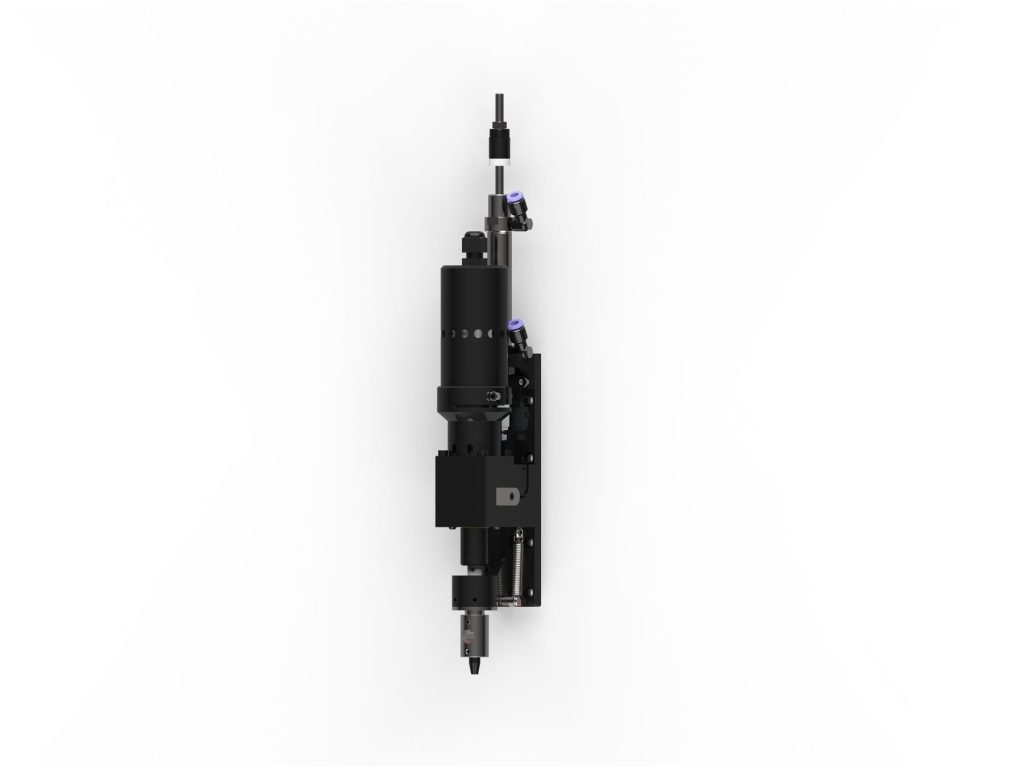
- Tool change time: the automatic tool change system can keep the time within 10 seconds, reducing downtime.
- Number of cutting layers: vacuum adsorption cutting machines can cut 10-100 layers of fabric (depending on fabric thickness and air permeability); the more layers, the lower the cost per piece.
1.3 Material Adaptability
Different fabrics have significantly different requirements for cutting machines:
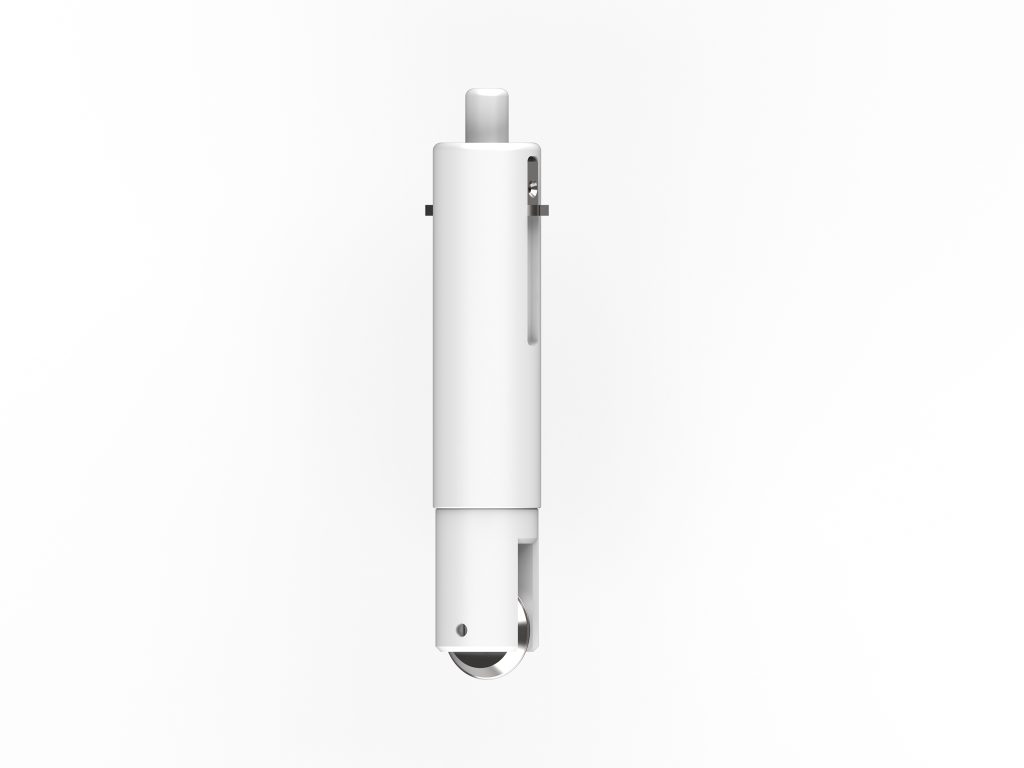
- Woven fabric (cotton, linen, synthetic): A standard oscillating knife is sufficient; pay attention to blade angle (typically 20°-30°) and sharpness.
- Knitted fabric: Requires a rotary knife or ultrasonic cutting to avoid stretching and deformation; vacuum adsorption pressure is recommended to be ≥0.6MPa.
- Composite materials (automotive interiors, carbon fiber): Requires a high-power motor and specially coated blades, with cutting speed reduced by 20%-30%.
- Leather: Pneumatic knives or lasers are recommended (but lasers have burnt-edge issues); oscillating knives require a cooling system.
II. Operating Techniques and Parameter Settings
Proper operation can significantly extend blade life and ensure cutting quality. Below is a summary of practical experience:
2.1 Blade Selection and Replacement
The blade angle must match the material: 20° blades are suitable for thin fabrics (such as shirt fabric), with low cutting resistance; 30° blades are suitable for medium-thick fabrics (such as denim); 45° blades are used for heavy materials (such as felt). The replacement cycle depends on usage frequency. Generally, the cutting edge needs to be inspected after 8-12 hours of continuous cutting, and replaced promptly once worn; otherwise, it will cause rough cuts and dimensional deviation.
2.2 Vacuum adsorption and number of cutting layers
Vacuum adsorption is key to securing multiple layers of fabric. Recommendations:
- Set the suction pressure to 0.5-0.7MPa. If the pressure is too low, the fabric will move; if too high, marks may be left.
- Do not exceed 80% of the equipment’s rated cutting layers. For example, if the rated value is 100 layers, it is recommended to stay within 80 layers in practice to ensure accuracy at the bottom layer.
- For highly breathable fabrics (such as mesh), add a layer of film underneath to enhance suction.
2.3 Cutting Path Optimization
Reasonable path planning can reduce idle travel. Recommendations:
- Use common-edge cutting: adjacent cut pieces share the cutting line, saving material and reducing cutting length.
- Set a priority order: cut inner holes first, then the outer contour, to prevent cut pieces from shifting.
- For elastic fabrics, reduce the cutting speed to 70% of the normal value and add overcut of 0.5-1mm to ensure clean cuts.
2.4 Common Problems and Countermeasures
- Rough edges on cuts: Blade is dull or the speed is too high. Solution: Replace the blade and reduce speed by 10%-20%.
- Dimensional deviation: Kerf compensation is not enabled or suction is insufficient. Solution: Calibrate kerf parameters and check vacuum pressure.
- Fabric edge melting: Cutting synthetic fibers at excessive speed causes frictional heat. Solution: Reduce speed to below 80m/min, or use ultrasonic cutting.
III. Maintenance and Cost Control
Regular maintenance is the foundation for ensuring stable operation of the cutting machine. The following schedule is recommended:
- Daily: Clean the table surface, check blade wear, and clean the vacuum filter.
- Weekly: Lubricate the guide rails and lead screws (use lithium-based grease), and check belt tension.
- Monthly: Calibrate the home sensor, check electrical connections, and test the emergency stop function.
- Annually: Replace the vacuum pump oil and perform a full accuracy calibration.
In terms of cost control, blades are the main consumable, accounting for about 60% of maintenance costs. By optimizing cutting parameters (such as reducing speed and using appropriate angles), blade life can be extended by 20%-30%. In addition, using layout software to optimize fabric utilization can reduce the waste rate from 8% to below 5%.
IV. Selection Recommendations and Summary
When purchasing a fabric cutting machine, it is recommended to make decisions according to the following steps:
- Clarify requirements: fabric type, maximum cutting layers, precision requirements, production capacity target.
- On-site cutting trial: bring actual fabric to test the cutting effect, and check cut quality, precision and efficiency.
- Evaluate the software: whether the nesting software is easy to use, whether it supports common formats (DXF, PLT), and whether it has automatic optimization functions.
- Assess service: the supplier’s installation and training, after-sales response time, and spare parts supply capability.
In summary, selecting a fabric cutting machine requires balancing precision, efficiency, and material adaptability. During operation, focus on parameter matching and regular maintenance to maximize return on investment. We hope this guide provides practical reference for your procurement and production.