
Why does tablecloth cutting require specialized equipment?
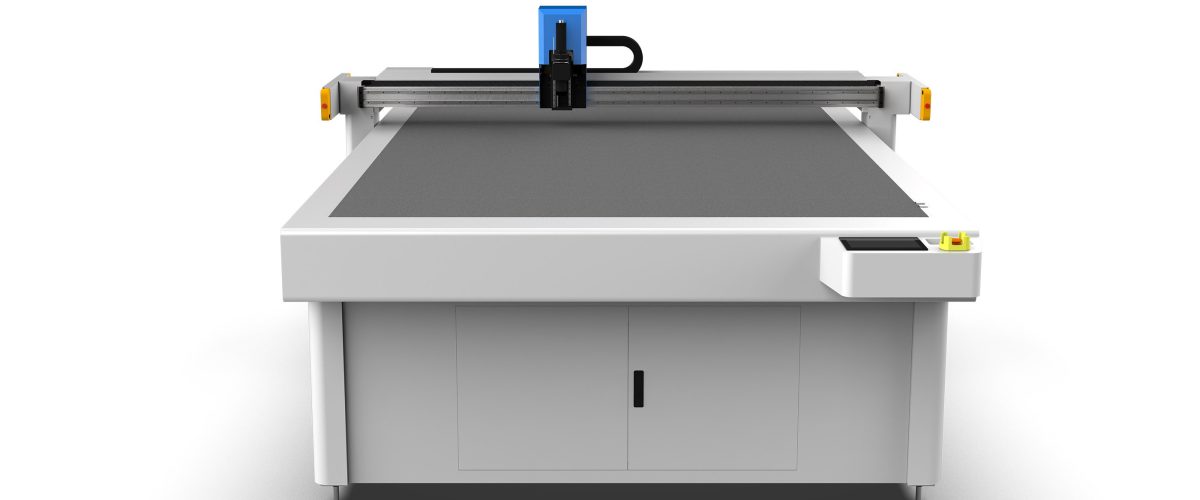
Tablecloths come in a variety of materials, including cotton-linen, chemical fiber, PVC, lace, etc. Traditional manual cutting has low efficiency and poor precision, especially for mass production or tablecloths with complex patterns, where manual cutting struggles to ensure consistency. Tablecloth cutting machines (usually oscillating knife cutting machines or laser cutting machines) control the movement of the cutter head through a CNC system, enabling high-precision, high-speed automated cutting and effectively solving the above problems.
Core types and selection points of tablecloth cutting machines
1. Oscillating knife cutting machine
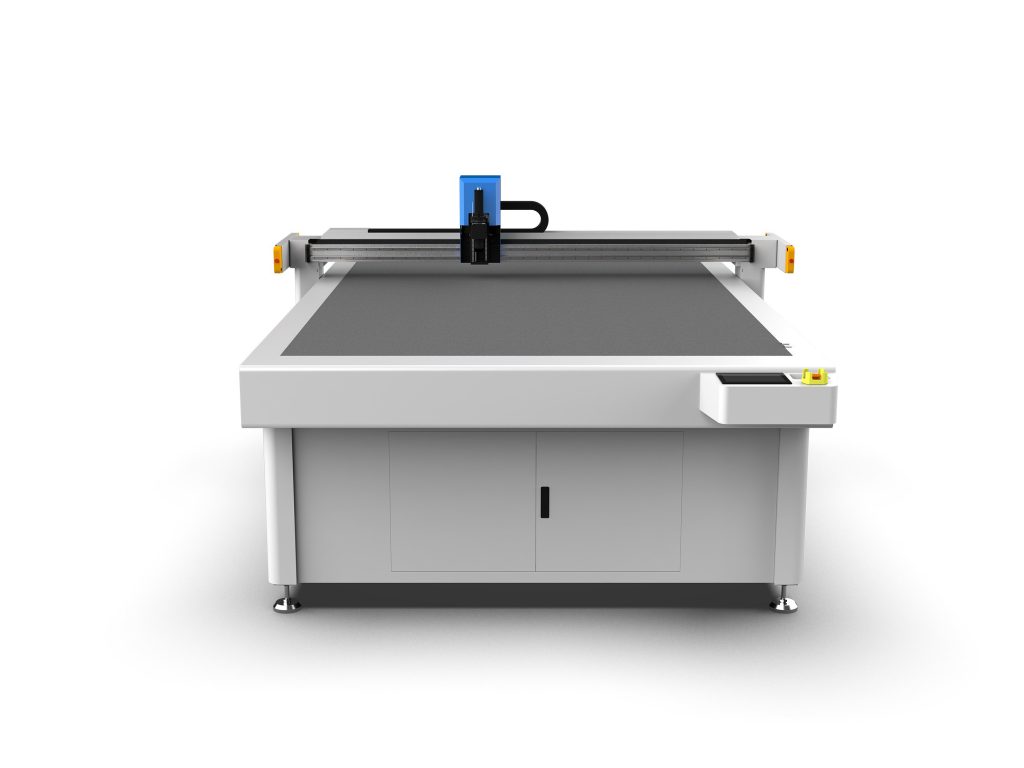
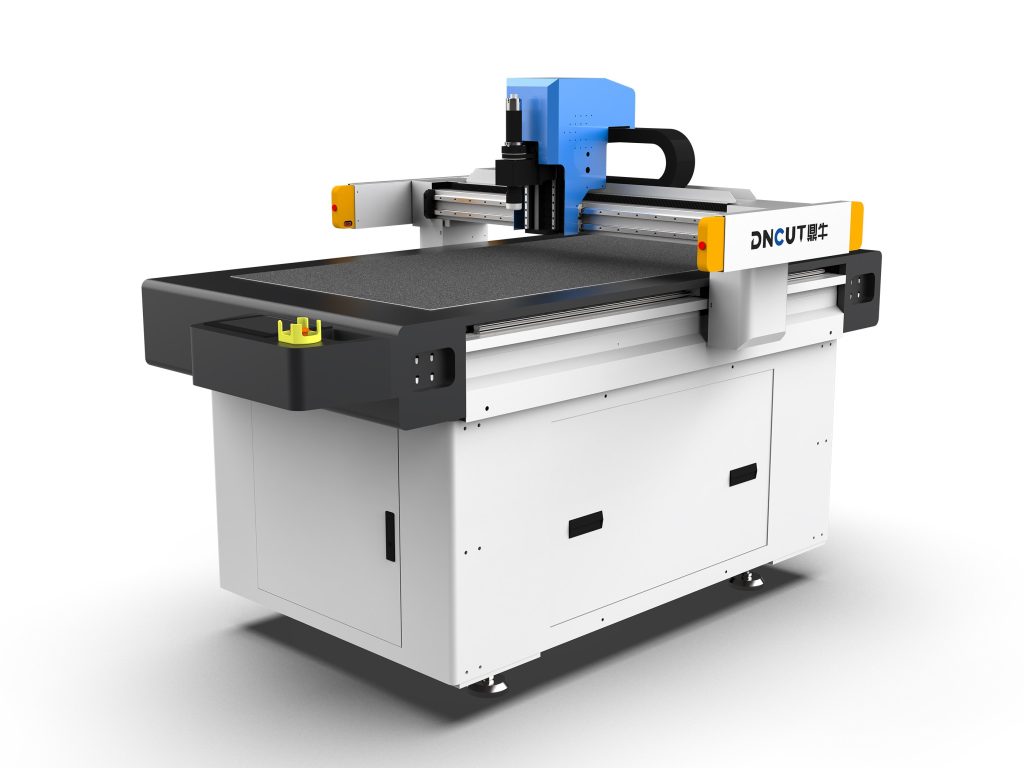
The oscillating knife cutting machine uses a high-frequency vibrating blade for cutting and is suitable for most flexible materials, such as cotton fabric, polyester, non-woven fabric, etc. Its advantages lie in clean cutting edges with no scorching, and it can be equipped with multiple cutter heads working simultaneously to improve efficiency. When selecting, pay attention to:
- Cutting thickness: Typically, oscillating knife cutting machines can cut materials with a thickness between 0.5-10mm. Select the appropriate power based on the tablecloth thickness.
- Working area: Common working areas include 1600mm×2500mm, 2000mm×3000mm, etc. Choose based on the maximum size of the tablecloth and allow for a certain margin.
- Cutting accuracy: Generally up to ±0.1mm, high-precision models can reach ±0.05mm.
- Number of knife heads: Single knife head is suitable for small-batch, multi-variety production; multiple knife heads (e.g., 4 knife heads) are suitable for large-batch production.
2. Laser cutting machine
Laser cutting machines melt or vaporize materials with a high-energy laser beam, making them suitable for chemical fiber, PVC, and other materials, with fast cutting speed and no tool wear. However, laser cutting leaves burn marks on the edges, which may affect the appearance of tablecloths, and the cutting effect on natural fibers such as cotton and linen is relatively poor. When selecting a model, pay attention to:
- Laser Power: Typically 80W-150W. Higher power yields faster cutting speed, but material tolerance must be considered.
- Cutting Working Area: Similar to the oscillating knife, common working areas range from 1300mm×900mm to 2000mm×3000mm.
- Cooling Method: Water-cooled lasers can work continuously for long periods, making them suitable for mass production.
3. Selection Recommendations
For cotton and linen tablecloths, an oscillating knife cutting machine is recommended; for synthetic fiber or PVC tablecloths, if edge burning is not a concern, a laser cutting machine can be considered. If the tablecloth has complex hollow-out patterns, a laser cutting machine is more advantageous. In addition, production scale should be considered: for small-batch, multi-variety production, a single-head oscillating knife machine can be chosen; for large-volume production, a multi-head oscillating knife machine or a high-speed laser machine is recommended.
Analysis of Key Performance Parameters
1. Cutting Speed
The cutting speed of an oscillating knife cutting machine is usually adjustable from 0-1200mm/s, and the actual speed depends on material thickness and pattern complexity. The speed of a laser cutting machine can reach 0-1000mm/s. The higher the speed, the higher the efficiency, but cutting quality must be ensured.
2. Positioning Accuracy
Positioning accuracy affects cutting accuracy and is usually expressed as repeat positioning accuracy; high-quality models can achieve ±0.02mm. For tablecloths with alignment requirements (such as printed tablecloths), high precision is crucial.
3. Control system
Mainstream control systems include domestic and imported systems, such as Shanghai Weihong, Germany PA, etc. The control system should support common file formats (such as DXF, PLT, AI) and have automatic nesting and path optimization functions to reduce material waste.
4. Adsorption system
The vacuum adsorption system is used to secure materials and ensure that materials do not move during the cutting process. The adsorption force should be selected according to the air permeability of the material. For cotton fabric with good air permeability, a stronger adsorption force is required; for non-breathable materials such as PVC, the adsorption force can be appropriately reduced.
Operating process and techniques
1. Preparation work
- Material fixing: Lay the tablecloth flat on the workbench and turn on vacuum adsorption to ensure the material is flat without wrinkles.
- File import: Import the design file into the cutting software and check whether the graphic dimensions and paths are correct.
- Tool selection: Select the appropriate tool according to the material, such as oscillating knife, round knife, drag knife, etc. For cotton and linen, it is recommended to use an oscillating knife; for synthetic fibers, a round knife can be used.
2. Parameter settings
- Cutting speed: It is recommended to set the initial speed to medium (e.g., 600mm/s), and adjust according to the cutting results.
- Knife pressure: Excessive knife pressure can easily cause material deformation, while too little will not cut through. It is recommended to adjust gradually from low to high, so that it cuts through without damaging the bottom layer.
- Overcut: For patterns with inner contours, set an appropriate overcut amount (e.g., 0.5mm) to ensure complete cutting at the corners.
3. Test cutting and mass production
Before formal cutting, first use waste material for a test cut to check the cutting edge quality and dimensional accuracy. After confirmation, proceed with mass production. During production, regularly check the knife head for wear and replace it in time.
Maintenance and care
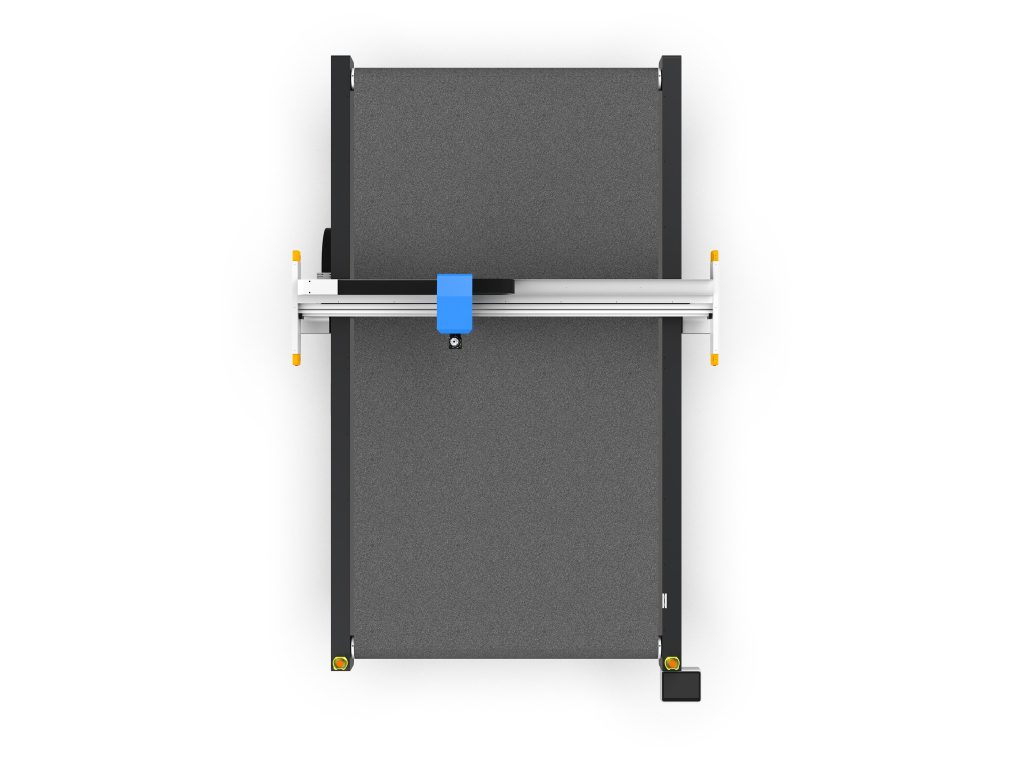
- Daily cleaning: Clean dust and loose threads from the worktable and guide rails to keep the equipment clean.
- Knife head replacement: Based on usage frequency, regularly check knife head wear. Generally replace every 200-300 cutting hours, or when cutting quality declines.
- Lubrication: Apply lubricating oil to the guide rails and lead screws once a month to reduce wear.
- Vacuum pump maintenance: Regularly clean the vacuum pump filter screen to prevent blockage that could affect suction power.
- Software updates: Regularly update the cutting software to obtain better features and compatibility.
FAQ and Solutions
1. Uneven cutting edges
Possible causes: worn knife head, cutting speed too fast, insufficient knife pressure. Solutions: replace the knife head, reduce speed, increase knife pressure.
2. Material movement
Possible causes: insufficient suction, material not laid flat. Solutions: check the vacuum pump and piping to ensure suction; re-lay the material flat.
3. Cutting accuracy deviation
Possible causes: worn guide rails, loose timing belt, incorrect control system parameters. Solutions: check the guide rails and timing belt, recalibrate the machine.
Summary
The selection of a tablecloth cutting machine requires comprehensive consideration of factors such as material characteristics, production scale, and precision requirements. Oscillating knife cutting machines are suitable for most tablecloth materials, while laser cutting machines are suitable for synthetic fibers and complex patterns. Correct operation and regular maintenance are key to ensuring cutting quality and equipment lifespan. We hope this guide provides practical reference for your production.