
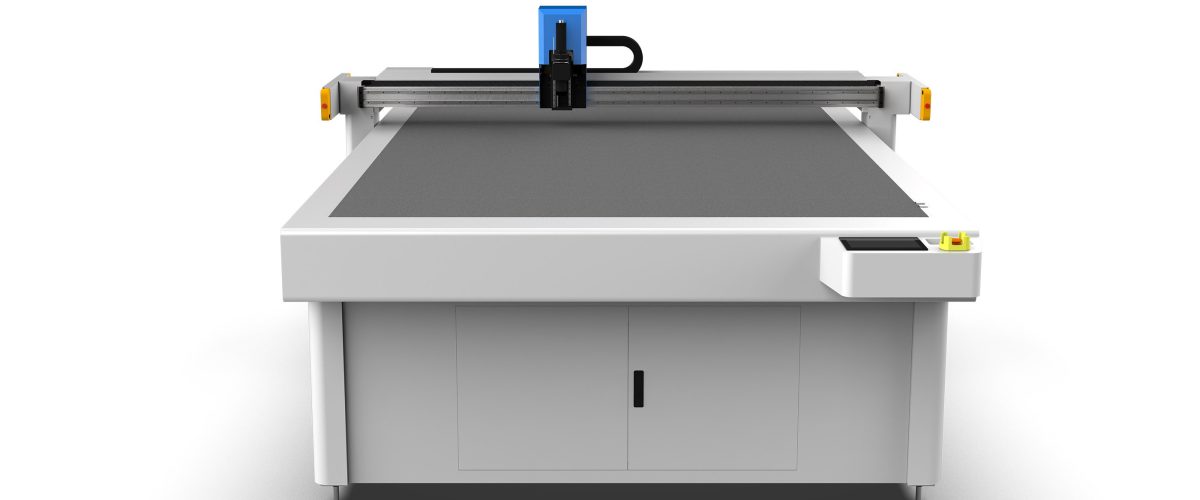
Cotton Cutting Machine: A Complete Guide from Selection to Maintenance
Cotton materials are widely used in apparel, home textiles, medical, and industrial fields, and their cutting quality directly affects finished product quality and production efficiency. As specialized equipment, cotton cutting machines need to handle the characteristics of cotton fibers such as softness, easy deformation, and tendency to produce frayed edges. Starting from actual parameters, this article provides practical advice on selection, operation, and maintenance.
I. Core Types and Application Scenarios of Cotton Cutting Machines
According to the cutting principle, cotton cutting machines are mainly divided into mechanical blade type, laser type, and ultrasonic type. The mechanical blade type is further subdivided into straight knife, circular knife, and oscillating knife. When choosing, material thickness, cutting accuracy, and output requirements need to be comprehensively considered.
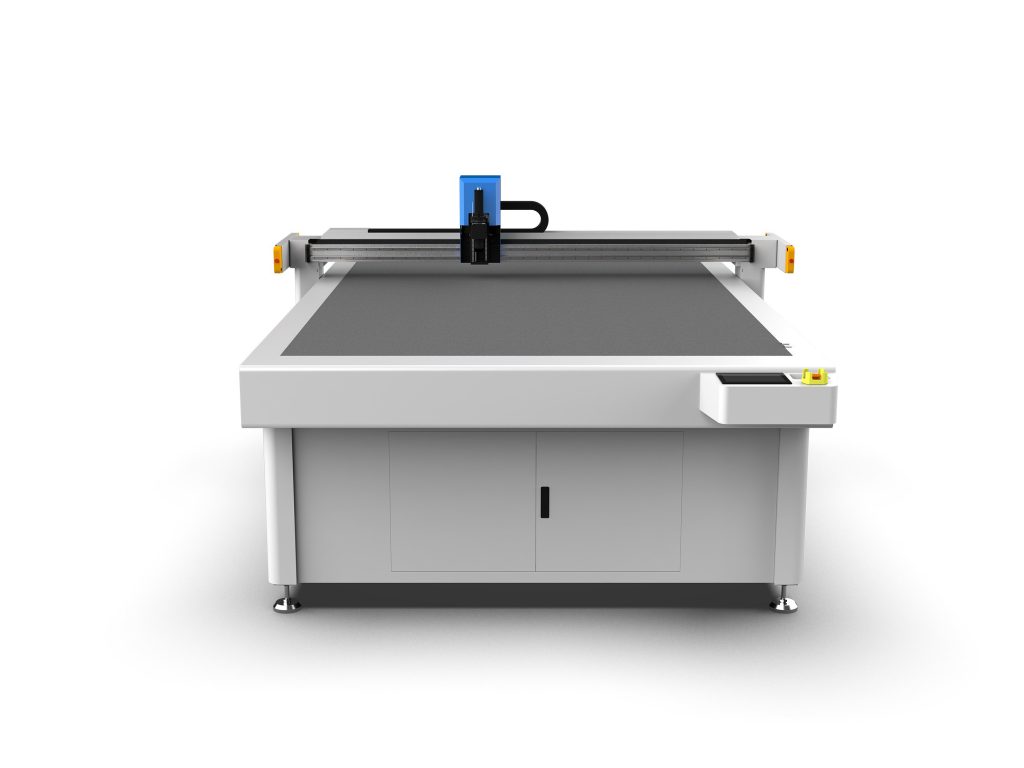
1. Mechanical Blade Cutting Machine
- Straight knife cutting machine: Suitable for cutting cotton felt and cotton fabric with a thickness of 1-10mm, cutting speed up to 20-60 times/minute, accuracy ±0.5mm. Suitable for high-volume straight-line cutting.
- Round knife cutting machine: Suitable for thin cotton fabric (0.5-3mm), high cutting speed (up to 120 meters/minute), but limited curve cutting capability.
- Oscillating knife cutting machine: The blade oscillates at high frequency (1000-3000 times per minute), suitable for complex shapes and multi-layer cotton fabric cutting, accuracy up to ±0.2mm, clean cuts without burrs.
2. Laser cutting machine
Laser cutting machines (CO2 lasers, power 60-150W) are suitable for cutting thin cotton fabric (0.5-5mm); the cut edge is automatically sealed with no fraying. However, note that excessive laser power can scorch cotton fibers. It is recommended to set the power at 40-80W, the cutting speed at 10-30mm/s, and use assisted air blowing.
3. Ultrasonic cutting machine
Ultrasonic cutting machines (frequency 20-40kHz) melt and sever cotton fibers through high-frequency vibration. They are suitable for cutting cotton-blend materials containing synthetic fibers, producing a flat cut edge without dust. However, their effect on pure cotton materials is limited, and the equipment cost is relatively high.
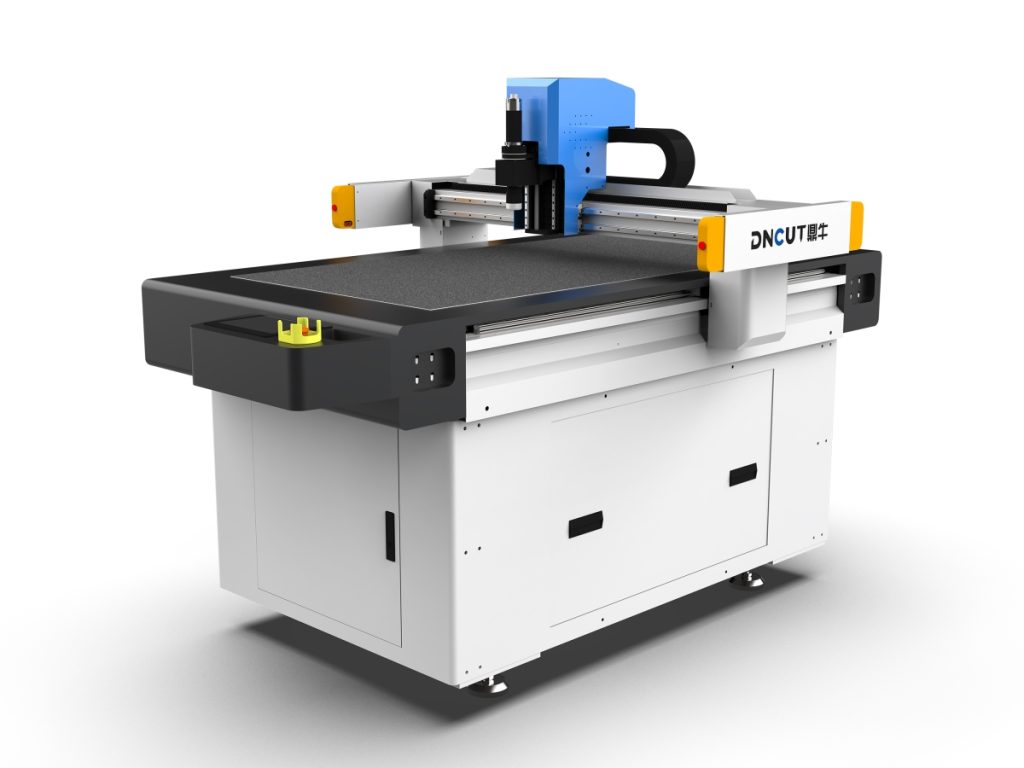
II. Key Parameters and Selection Points
When selecting a model, the following parameters need to be clarified and fully communicated with the supplier:
- Cutting thickness: Determine the maximum thickness based on the type of cotton material (cotton fabric, cotton felt, cotton batting). Mechanical blade type typically supports 1-15mm, laser type is suitable for 0.5-5mm.
- Cutting accuracy: Ordinary cutting of ±0.5mm is sufficient; high-precision scenarios (such as medical cotton pads) require ±0.1-0.2mm.
- Working table size: Common specifications are 1600mm×2500mm, 2100mm×3000mm. Select based on the size of the cut pieces, and reserve 10%-20% margin.
- Cutting speed: mechanical type is usually 10-60 times/minute, laser type can reach 100-300mm/s, and needs to match the production cycle.
- Control system: prioritize systems that support CAD file import, automatic nesting and path optimization, which can improve material utilization by 5%-15%.
- Dust removal device: cotton cutting easily generates dust, so it is necessary to equip negative pressure adsorption or a bag filter, with a recommended air volume of ≥2000m³/h.
III. Operating Techniques and Efficiency Improvement
1. Material Pretreatment
Cotton fabric needs to be ironed or pre-shrunk before cutting to reduce deformation during cutting. For multi-layer cutting, it is recommended to use a clamping device (pneumatic or vacuum adsorption), with pressure controlled at 0.4-0.6MPa, to ensure no slippage between layers.
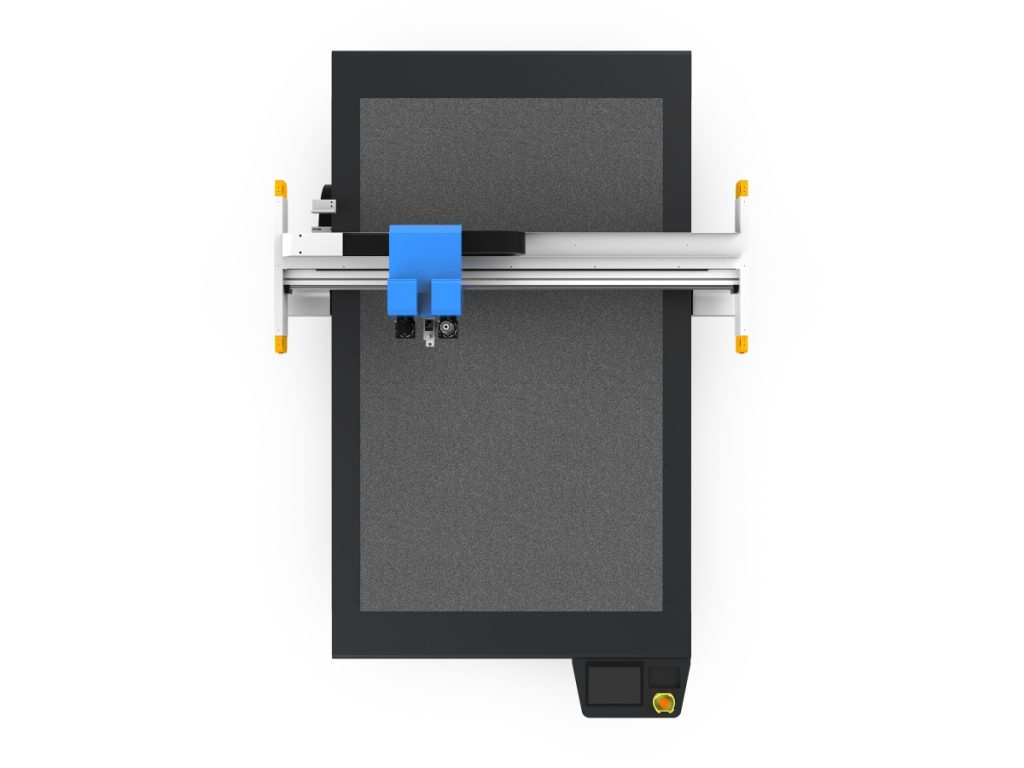
2. Blade Selection and Replacement
For cutting pure cotton materials, high-carbon steel blades are recommended (hardness HRC58-62), with a cutting edge angle of 30°-45°. Check the blade edge for wear every 8-12 hours of cutting, and replace promptly when cutting resistance increases by 20% or burrs appear on the cut edge. The service life of an oscillating knife blade is typically 40-80 hours.
3. Parameter Optimization
Taking an oscillating knife cutting 3mm cotton felt as an example: set the oscillation frequency to 2000 times/min, the feed speed to 800-1200mm/min, and the blade pressure to 0.3MPa. If the cut edge is uneven, reduce the feed speed by 10%-20% or increase the oscillation frequency.
4. Layout and Path Planning
Using automatic nesting software (such as Optitex, Gerber) can improve material utilization. For regular cut pieces, common-edge cutting can reduce the cutting path length by 15%-25%.
IV. Maintenance and Common Problems
1. Daily Maintenance
- Clean the blade and guide rail every shift to remove lint and dust.
- Check the tension of the drive belt weekly (a deflection of 5-10mm is normal), and lubricate the guide rail (use lithium-based grease).
- Calibrate the cutting accuracy monthly, test with a standard template; adjustment is required if the deviation exceeds ±0.3mm.
- Replace the dust filter bag quarterly and clean the fan impeller.
2. Common Problems and Solutions
- Burrs at the cut edge: Check blade sharpness, reduce the feed speed, or increase the oscillation frequency.
- Cutting size deviation: Check whether the material is clamped securely, and calibrate the servo motor or stepper motor parameters.
- Dust accumulation: Increase the dust extraction airflow, and check whether the suction inlet is blocked.
- Blade breakage: Check whether the blade is installed parallel, whether the feed speed is too high, or whether hard objects are mixed into the material.
V. Safety Precautions
When operating the cotton cutting machine, the following must be observed:
- Wear a dust mask and goggles to prevent cotton dust inhalation and splashing.
- The equipment must be well grounded, and the protection rating of the electrical cabinet must be no lower than IP54.
- Cut off the power supply when replacing the blade, and use dedicated tools.
- Laser cutting machines must be equipped with an exhaust system and marked with warning signs.
VI. Summary
The selection of a cotton cutting machine needs to be based on material characteristics, precision requirements, and production targets. Mechanical oscillating knife type is suitable for high-precision cutting of most cotton materials, while laser type is suitable for fray-free cutting of thin cotton fabric. Through reasonable parameter settings, regular maintenance, and standardized operation, cutting efficiency and quality can be significantly improved. It is recommended to provide samples for trial cutting before purchase to verify the actual performance of the equipment.