

Cotton Cutting Machine: A Complete Approach from Requirements to Selection
Cotton materials (pure cotton, blends, cotton felt, cotton fabric, cotton wadding) are widely used in apparel, home textiles, automotive interiors, filtration materials, and other industries. Their soft texture, easy deformation, and tendency to fray at the edges place special demands on cutting equipment. This article approaches the topic from a practical production perspective, compares common cotton cutting technologies, and provides selection parameters along with operation and maintenance recommendations to help you find the right cotton cutting machine.
1. Difficulties in Cutting Cotton Materials
- Easy deformation: Cotton fibers have good elasticity; when a mechanical blade presses down, the material tends to wrinkle and shift, affecting precision.
- Frayed edges: After cutting, the edges easily unravel, requiring edge sealing or the use of thermal cutting.
- Interlayer slippage: During multi-layer cutting, layers tend to slide against each other, causing dimensional inconsistency between upper and lower layers.
- Dust and fibers: The cutting process generates cotton dust, which imposes requirements on equipment protection and dust extraction.
Therefore, cotton cutting machines need targeted design in aspects such as blade sharpness, material pressing method, and dust extraction system.
II. Comparison of Mainstream Cotton Cutting Technologies
1. Oscillating Knife Cutting Machine
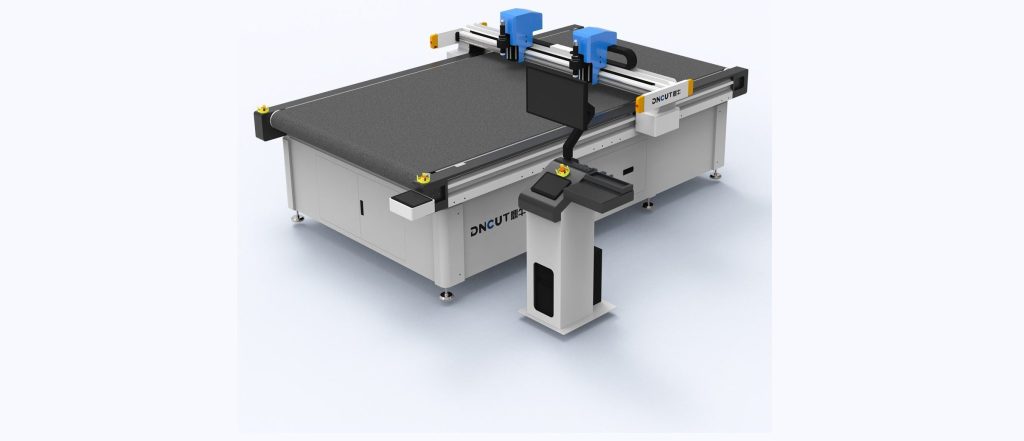
The oscillating knife cuts through high-frequency up-and-down vibration (thousands of times per minute), and the blade exerts little lateral pressure on the material, making it suitable for soft materials such as cotton fabric, cotton felt, and cotton batting. When used with a vacuum adsorption platform to secure the material, it can effectively prevent deformation. Cutting accuracy typically reaches ±0.5mm. For multi-layer cutting, it is recommended that each layer not exceed 5mm in thickness and the total thickness not exceed 30mm (depending on material density).
Advantages: No thermal effect, smooth edges; can cut complex contours; suitable for multiple layers.
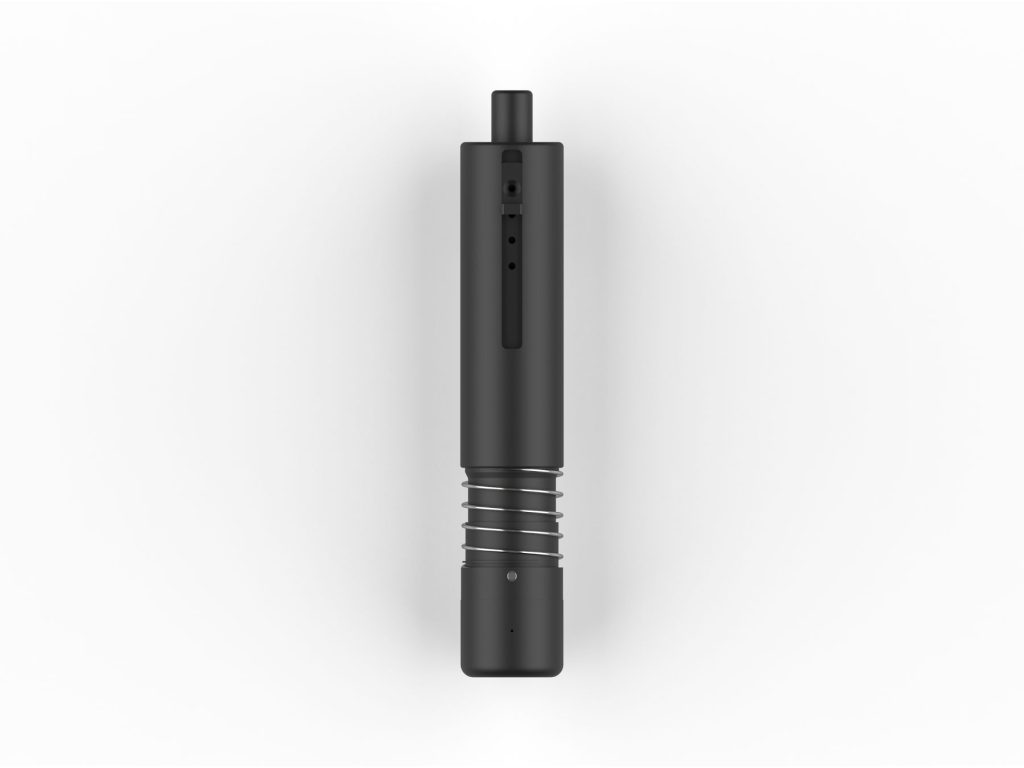
Disadvantages: The blade wears and requires regular replacement; efficiency decreases for extra-thick batting (>50mm).
2. Laser cutting machine
Laser cutting uses a high-energy beam to melt or vaporize the material, and the edges are automatically sealed, with no loose threads. It is suitable for cotton and blended fabrics, with cutting speeds of up to 10-20m/min (depending on power and thickness). However, laser cutting produces scorched edges and odors, may leave yellow edges on light-colored pure cotton materials, and is not suitable for chlorine-containing fibers (such as flame-retardant cotton).
Advantages: High precision (±0.1mm), no blade required, can cut complex shapes.
Disadvantages: Heat-affected zone, edges turn yellow; generates smoke and dust, requiring exhaust ventilation and purification; low efficiency for multi-layer thick materials.
3. Rotary knife cutting machine
The circular knife cutting machine cuts with a high-speed rotating circular blade, suitable for straight lines and simple curves, and is commonly used for multi-layer cutting in garment factories. The maximum cutting thickness can reach 10cm (depending on blade diameter), but the accuracy is relatively low (±1-2mm), and it cannot cut complex internal contours.
Advantages: high efficiency, suitable for large-volume straight-line cutting; low equipment cost.
Disadvantages: limited accuracy; not suitable for fine patterns; blades wear easily.
4. Punch press cutting
The punch press cuts by stamping through a die, suitable for large-volume production of fixed-shape cotton pieces, such as cotton pads and mask liners. The efficiency is extremely high (up to hundreds of strokes per minute), but the die cost is high, making it unsuitable for small-batch, multi-variety production.
III. Key Parameters for Model Selection
When selecting a cotton cutting machine, a comprehensive evaluation must be made based on material characteristics, output, and accuracy requirements. The following parameters are for reference:
- Cutting accuracy: oscillating knife ±0.5mm, laser ±0.1mm, circular knife ±1.5mm.
- Maximum cutting thickness: oscillating knife 30mm (multi-layer), circular knife 100mm, laser depends on power (usually <10mm).
- Table size: selected according to fabric width, common 1600mm×2500mm, 2100mm×3000mm.
- Adsorption method: vacuum adsorption platform, zone control, ensuring material fixation.
- Dust collection system: When the oscillating knife cuts cotton batting, a high-power vacuum cleaner is required to prevent fiber clogging.
- Software compatibility: Supports CAD, DXF, PLT and other formats, with automatic nesting function.
IV. Key Points for Operation and Maintenance
1. Material Fixation
Before multi-layer cutting, the cotton fabric must be secured on all sides with clamps or tape, and vacuum adsorption must be activated. For fluffy cotton batting, a layer of film can be covered before adsorption to improve sealing.
2. Blade Selection and Replacement
For oscillating knife blades, high-speed steel or carbide materials are recommended. When cutting cotton fabric, check for wear every 8-12 hours, and replace promptly when frayed edges appear or cutting resistance increases. Circular blades need periodic sharpening to stay sharp.
3. Parameter Settings
Oscillation frequency: 3000-5000 times/min is recommended for cotton fabric; feed speed: adjust according to thickness, generally 500-1500mm/s; vacuum hold-down negative pressure: -0.6 to -0.8 bar.
4. Cleaning and Maintenance
Clean cotton dust from the table and vacuum box daily, check guide rail lubrication, and clean the vacuum pump filter element weekly. Laser cutting machines require periodic cleaning of lenses and exhaust ducts.
V. Common Problems and Solutions
- Frayed edges after cutting: Switch to laser cutting or apply edge sealing treatment; for the oscillating knife, use a wavy-edge blade to reduce fraying.
- Size deviation between upper and lower layers in multi-layer cutting: Ensure uniform vacuum adsorption, reduce cutting speed, and use a material pressing device.
- Cotton dust clogging the vacuum pipe: Add a pre-filter screen and clean it regularly.
- Decreased cutting accuracy: Check blade wear, guide rail clearance, and belt tension.
VI. Summary
There is no one-size-fits-all answer to choosing a cotton cutting machine; it requires balancing material type, output, precision, and budget. The oscillating knife cutting machine offers a balanced performance in precision and adaptability, making it suitable for flexible production of multiple varieties; laser cutting machines are suited for scenarios requiring high precision and no loose threads; rotary knives and punch presses are suitable for large-volume simple shapes. It is recommended to provide samples for trial cutting before purchasing, and to base the decision on actual results. Proper operation and maintenance are equally critical, as they can extend equipment life and ensure cutting quality.