
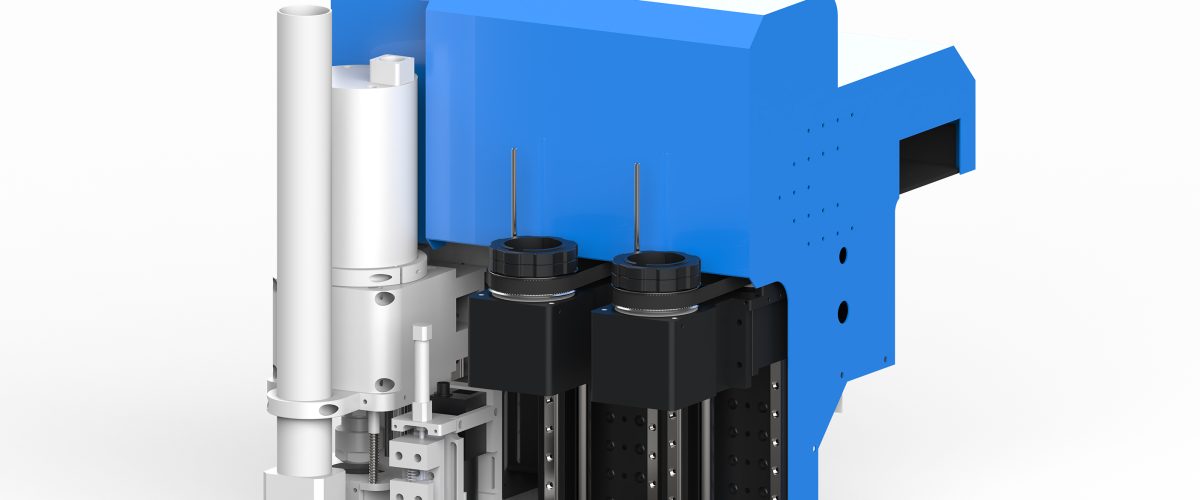
Overview of fabric cutting machines
Fabric cutting machines are key equipment in industries such as apparel, home textiles, and automotive interiors, used to cut roll or sheet fabric into the required shapes according to the nesting layout. With the growing demand for flexible material processing, CNC cutting machines have become mainstream. Starting from practical applications, this article provides reference for model selection and process parameters.
I. Main types of fabric cutting machines
1. Straight knife cutting machine
Suitable for large-volume cutting of simple shapes, such as T-shirts and shirts. Typical parameters: blade length 150-300mm, cutting thickness up to 50-100mm (depending on the fabric), power 0.5-1.5kW. The advantage is high efficiency; the disadvantage is the inability to cut complex curves.
2. Circular knife cutting machine
Suitable for small-batch, straight-line cutting, such as sample making. Blade diameter 50-150mm, cutting thickness 5-20mm. Flexible operation, but lower accuracy.
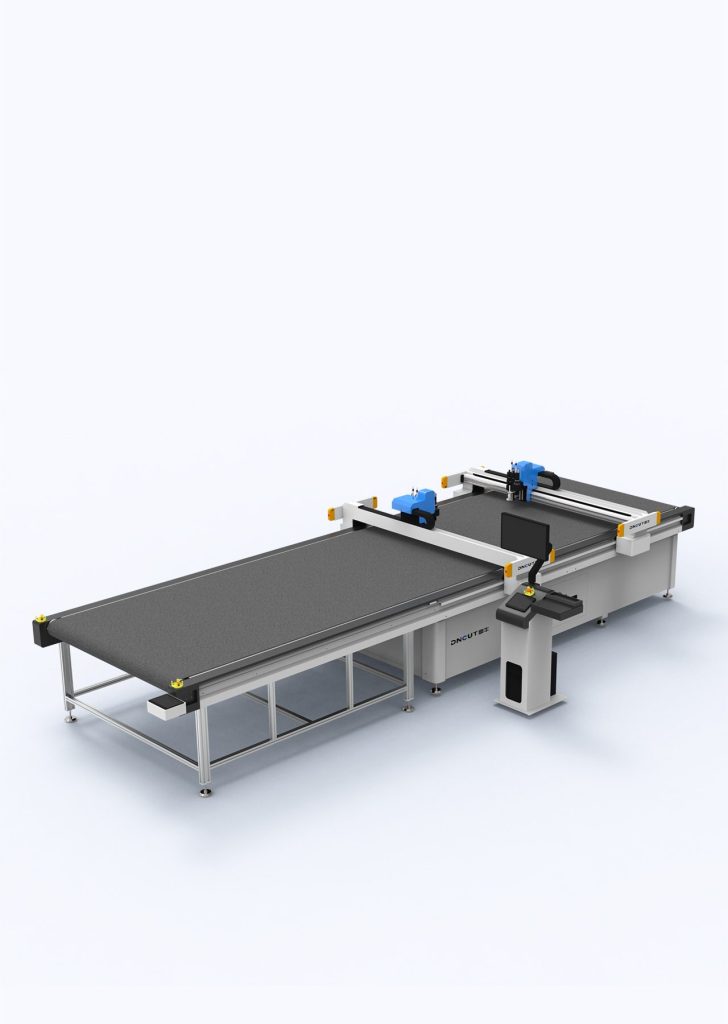
3. CNC oscillating knife cutting machine
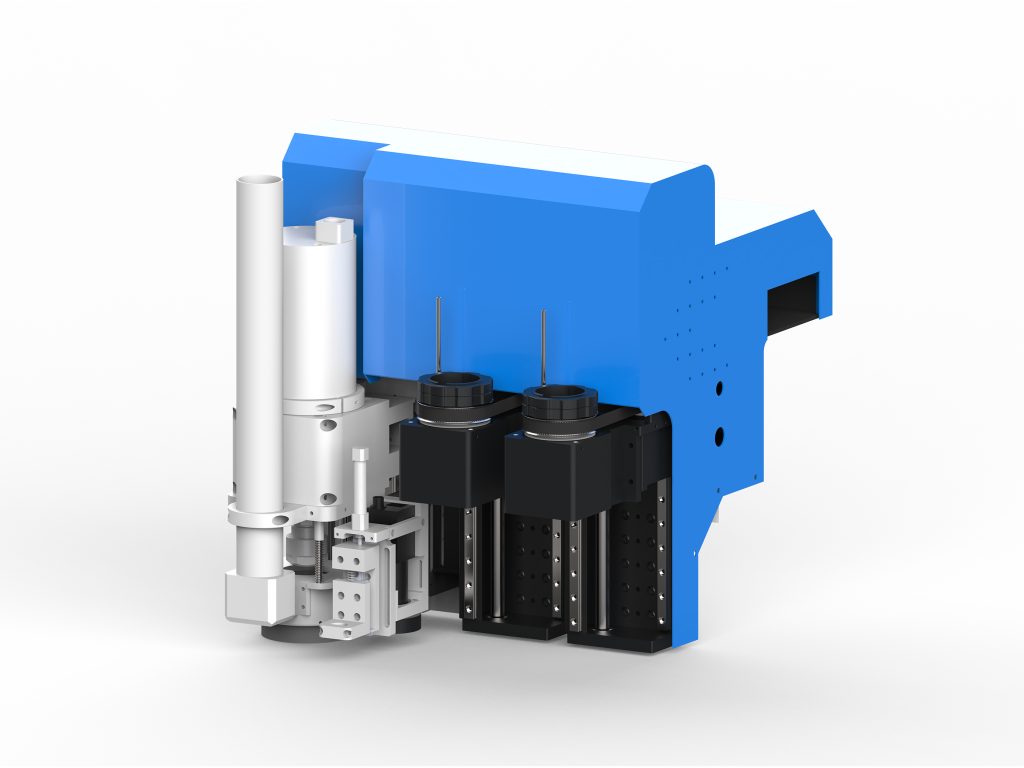
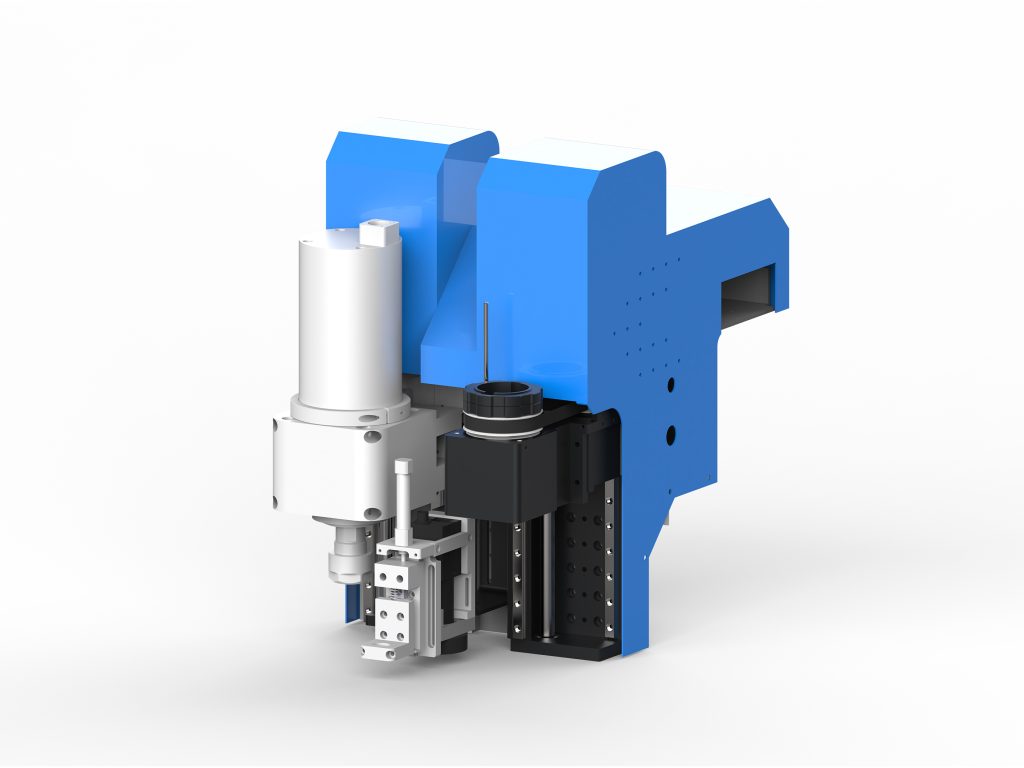
The current mainstream equipment uses a high-frequency oscillating blade (frequency 2000-8000 times/minute), combined with a vacuum adsorption table, and can cut complex patterns. Positioning accuracy ±0.1mm, repeat positioning accuracy ±0.05mm. Suitable for cotton, linen, chemical fiber, leather and other fabrics.
4. Laser cutting machine
Suitable for chemical fiber fabrics, with automatic edge sealing at the cut edges. However, it has the issue of burnt edges and is not suitable for natural fibers. Power is typically 60-150W, and cutting speed can reach 10m/min.
II. Key Parameters for Model Selection
- Cutting working area: Common specifications are 1600mm×2500mm and 1800mm×3000mm, selected according to fabric width and layout requirements.
- Cutting speed: The idle speed of oscillating knife models can reach 60m/min; the actual cutting speed depends on fabric thickness and pattern complexity, usually 5-20m/min.
- Vacuum adsorption power: To ensure the fabric is secured, a vacuum degree of ≥15kPa is generally required, and the adsorption force is adjusted according to fabric air permeability.
- Knife type: Select an oscillating knife, circular knife, punching knife, or V-shaped knife according to the fabric. For example, use a carbide oscillating knife for denim and a fine-toothed circular knife for lace.
- Control system: Supports DXF, PLT, and HPGL formats, with automatic layout and path optimization functions.
III. Process Parameter Setting Examples
Cotton Fabric (weight 200g/m²)
- Tool: oscillating knife, blade angle 30°
- Oscillation frequency: 4000 times/min
- Feed speed: 12m/min
- Vacuum adsorption: 18kPa
- Cut piece accuracy: ±0.2mm
Polyester Fabric (weight 150g/m²)
- Tool: oscillating knife, blade angle 20°
- Oscillation frequency: 5000 times/min
- Feed speed: 15m/min
- Vacuum adsorption: 15kPa
- Note: Anti-static device required to avoid poor adsorption
Leather (thickness 1.2mm)
- Tool: punching knife or oscillating knife
- Oscillation frequency: 3000 times/min
- Feed speed: 8m/min
- Vacuum adsorption: 20kPa
- Recommend using release paper to prevent adhesion
IV. Common Problems and Solutions
1. Fuzzing on cut edges
Cause: blade blunting or oscillation frequency too low. Countermeasure: inspect the blade every 8 hours and replace it promptly once worn; increase the frequency by 10%-15%.
2. Fabric displacement causing out-of-tolerance accuracy
Cause: Insufficient vacuum adsorption or high fabric air permeability. Countermeasure: Increase vacuum pump power or use a cover film for sealing; for breathable fabrics, reduce cutting speed.
3. Cut pieces sticking together
Cause: Synthetic fiber melting or static electricity. Countermeasure: Reduce oscillation frequency, add anti-static bars; or switch to laser cutting (synthetic fibers only).
4. Short tool life
Cause: Fabric contains hard particles (such as denim). Countermeasure: Use carbide blades and apply minimal lubrication.
V. Key Points for Maintenance and Care
- Clean lint from the table surface daily and check the vacuum line seals.
- Lubricate the guide rails and lead screws weekly, and check the belt tension.
- Calibrate the home sensor and blade perpendicularity monthly.
- Replace the vacuum pump filter quarterly.
VI. Selection Recommendations
For mass garment production, an oscillating knife cutting machine with a working area of 1800mm×2500mm is recommended, equipped with automatic nesting software; the investment payback period is about 1-2 years. For customized small-batch production, a model with a working area of 1600mm×2000mm can be selected, balancing flexibility and efficiency. If processing chemical fiber fabrics with edge-sealing requirements, a laser cutting machine can be considered, but the acceptability of burnt edges must be evaluated.
During actual selection, it is recommended to bring typical fabric samples for trial cutting to verify cutting speed, accuracy, and edge quality. At the same time, pay attention to equipment scalability, such as whether it supports automatic feeding, multi-layer cutting, and other functions.