

Fabric cutting machine: key equipment in garment production
The fabric cutting machine is the core equipment in the cutting process of the garment, home textile, and other industries, and its performance directly affects cut piece accuracy, production efficiency, and fabric utilization. With the growing demand for flexible material processing, fabric cutting machines have evolved from traditional mechanical types to CNC and intelligent ones. Starting from practical applications, this article systematically sorts out the selection parameters, operating points, and maintenance strategies of fabric cutting machines, providing actionable references for production managers.
Main types and applicable scenarios of fabric cutting machines
According to the cutting principle, fabric cutting machines are mainly divided into mechanical knife cutting, laser cutting, waterjet cutting and oscillating knife cutting. Among them, oscillating knife cutting is the most widely used in the apparel field due to its strong adaptability and good cut quality. The oscillating knife fabric cutting machine cuts fabric through a high-frequency vibrating blade, and can handle various materials such as cotton, linen, chemical fiber and leather, without producing burnt edges or dust.
Core advantages of the oscillating knife fabric cutting machine
- High precision: The repeat positioning accuracy can reach ±0.1mm, meeting the cutting requirements of high-end garments.
- Fast efficiency: The cutting speed can reach up to 1200mm/s; combined with automatic nesting software, cutting efficiency is increased by more than 30%.
- Wide adaptability: By changing the blade and adjusting the vibration frequency, it can cut fabrics of different thicknesses, from silk to denim.
Key parameters for selecting a fabric cutting machine
When purchasing a fabric cutting machine, it is necessary to comprehensively evaluate based on production scale, fabric characteristics, and budget. The following parameters are the core basis for decision-making:
1. Effective Cutting Area
Common specifications include 1600mm×2500mm, 2000mm×3000mm, etc. The larger the area, the more cut pieces can fit in a single layout, but the equipment footprint and cost also increase accordingly. It is recommended to choose based on the average number of cut pieces per order and the fabric width. For example, for fabric with a width of 1.5m, a 1600mm-wide machine can be selected.
2. Cutting thickness
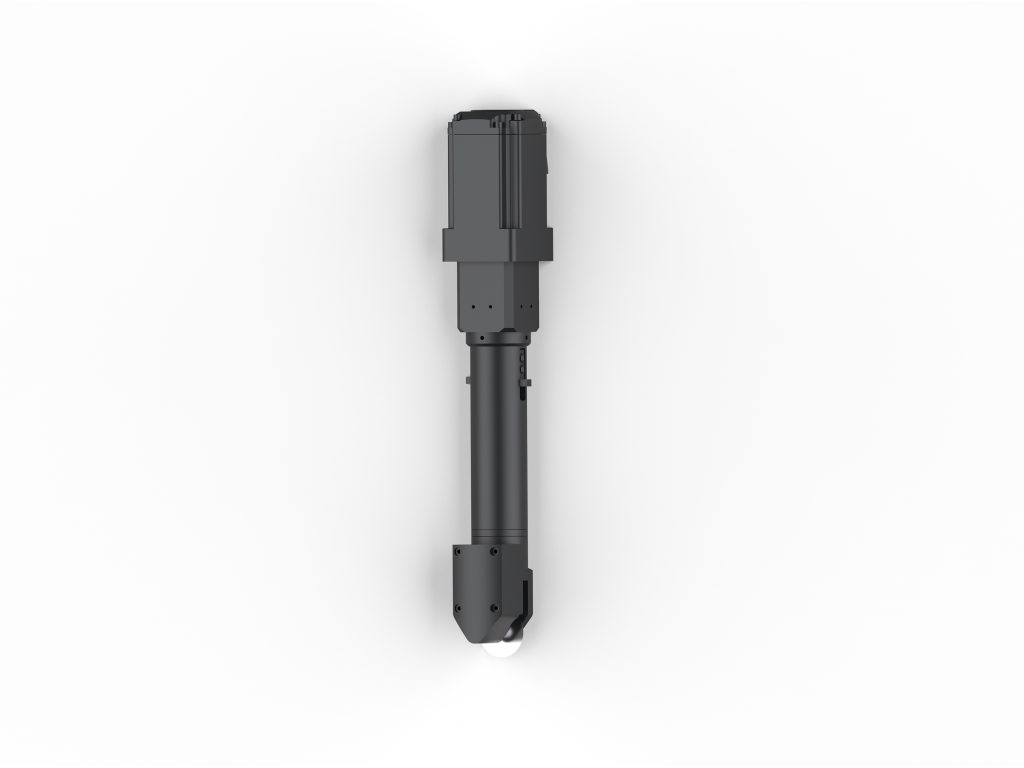
The cutting thickness of an oscillating knife fabric cutting machine is usually 0-50mm (depending on fabric compressibility). For heavy fabrics (such as woolen and leather), it is necessary to choose a high-power oscillating knife (power ≥500W) and equip it with a dedicated blade. If cutting multiple layers of fabric, it is recommended to conduct a trial cut first to confirm the verticality of the cut.
3. Positioning accuracy and repeat positioning accuracy
High-precision equipment uses servo motors and linear guides, with positioning accuracy up to ±0.05mm and repeat positioning accuracy of ±0.1mm. For cut pieces that require fine registration (such as striped and plaid fabrics), this specification is crucial.
4. Control System and Software Compatibility
Mainstream fabric cutting machines are equipped with CNC systems and support the import of formats such as DXF, PLT, and HPGL. When purchasing, confirm whether the software supports automatic nesting, path optimization, and remnant management, as well as its ability to interface with your existing CAD system.
5. Vacuum adsorption system
Vacuum adsorption is used to secure the fabric and prevent displacement during cutting. Adsorption force is usually expressed as vacuum degree; models with ≥20kPa are recommended. For highly air-permeable fabrics (such as knit fabric), additional adsorption zones or a cover film are needed to assist.
Key operating points and efficiency improvement tips for fabric cutting machines
Correct operating habits can significantly extend equipment life and ensure cutting quality. The following is a summary of best practices:
Fabric pretreatment
Before cutting, the fabric needs to be relaxed for 24 hours to eliminate internal stress and avoid deformation of the cut pieces. For elastic fabrics, interfacing can be applied in advance to improve dimensional stability.
Layout optimization
Use the multi-piece nesting function of the layout software to combine and nest cut pieces of different specifications, which can increase fabric utilization by 5%-10%. At the same time, pay attention to the directionality of the cut pieces (such as nap direction and pattern direction) to avoid color differences caused by improper nesting.
Blade Selection and Replacement
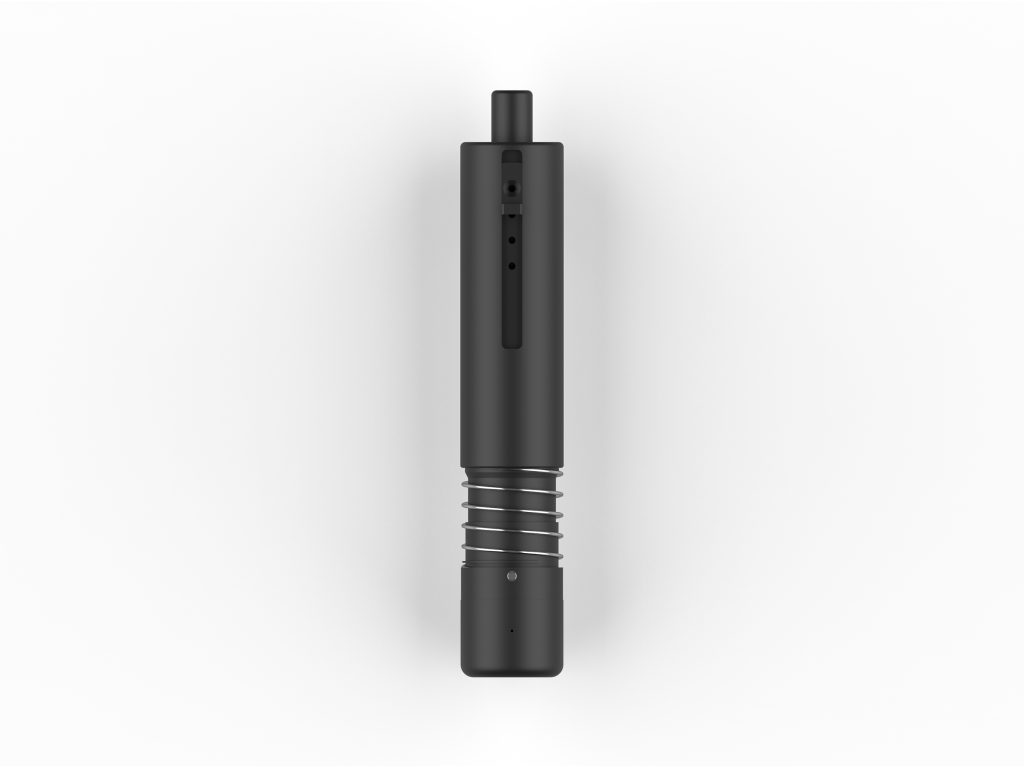
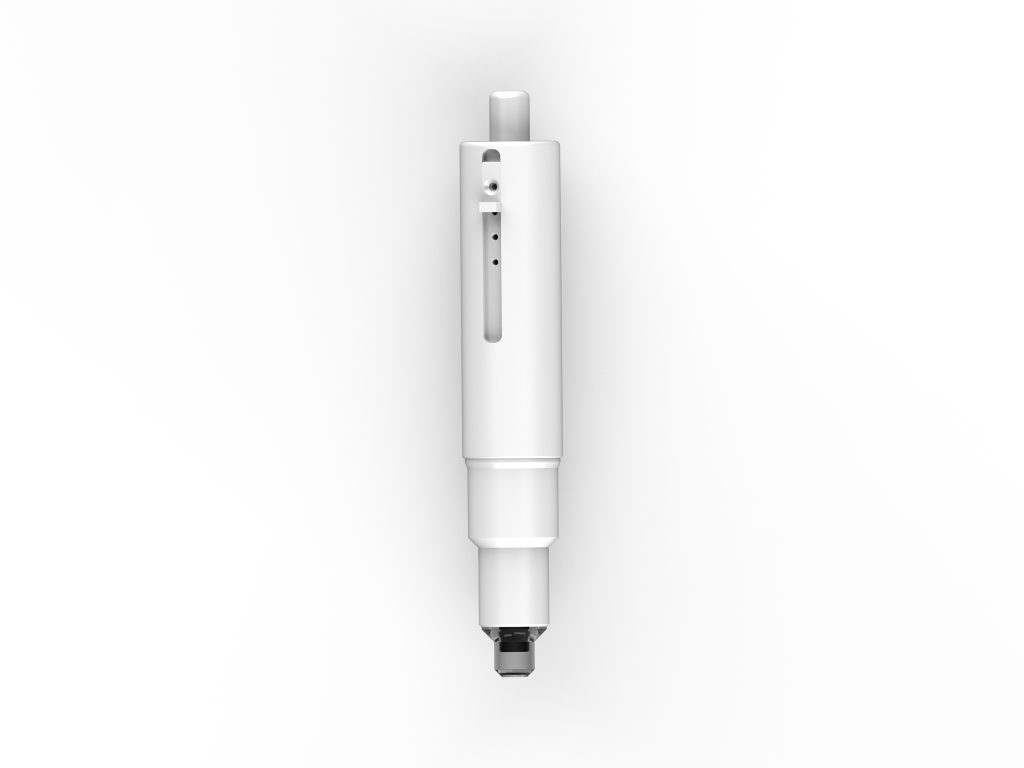
For cutting medium-thickness fabrics such as cotton and linen, use serrated blades; for cutting synthetic filament fabrics, use sharp flat-edge blades; for cutting leather, use wavy blades. Blades should be replaced promptly after wear; generally, inspect the cutting edge once every 200-300 meters of fabric cut.
Cutting Parameter Settings
The oscillation frequency and feed speed need to match the fabric characteristics. For example, when cutting denim, set the oscillation frequency to 3000-4000 times/minute and the feed speed to 800-1000mm/s; when cutting silk, reduce the frequency to 2000 times/minute and the speed to 600mm/s to prevent snagging.
Maintenance and Common Troubleshooting of the Fabric Cutting Machine
Regular maintenance is the foundation for ensuring stable equipment operation. It is recommended to clean the table and guide rails daily, check the air circuit and vacuum pump weekly, and lubricate the transmission components monthly.
Common Problems and Countermeasures
- Non-vertical cut: Check whether the blade is worn or installed at an angle, and adjust the blade guide.
- Fabric displacement: Check whether the vacuum suction force is insufficient, clean the suction holes, or add a cover film.
- Cutting dimension deviation: Calibrate the servo motor or check the tension of the drive belt.
Conclusion
The selection and use of a fabric cutting machine is a systematic project that requires starting from actual production needs and balancing precision, efficiency, and cost. Through scientific selection, standardized operation, and regular maintenance, a fabric cutting machine can become a powerful tool for enhancing a company’s competitiveness. If you need further understanding of specific model parameters, please feel free to contact our technical team to obtain a customized solution.