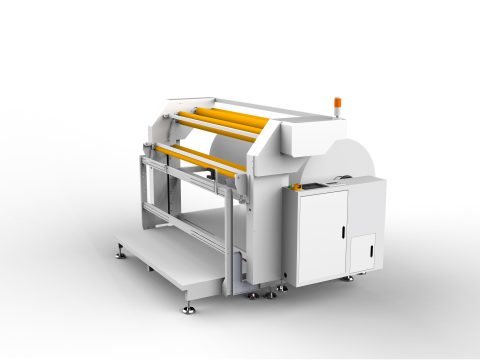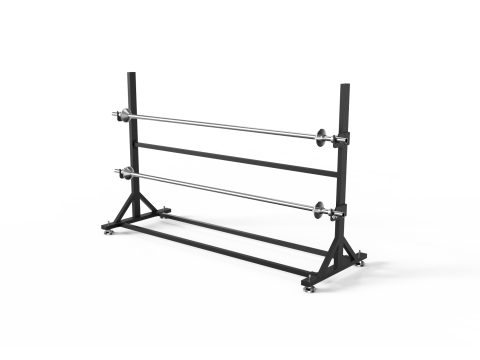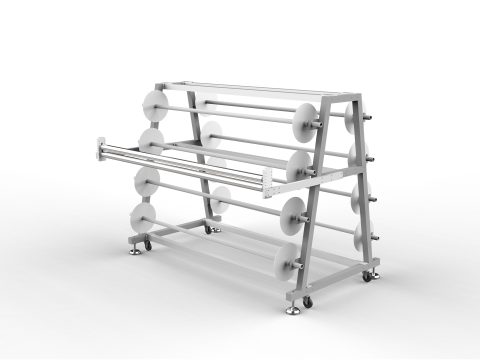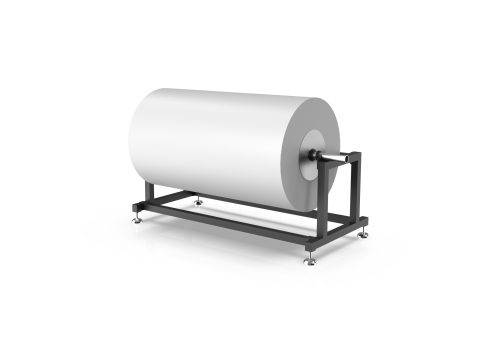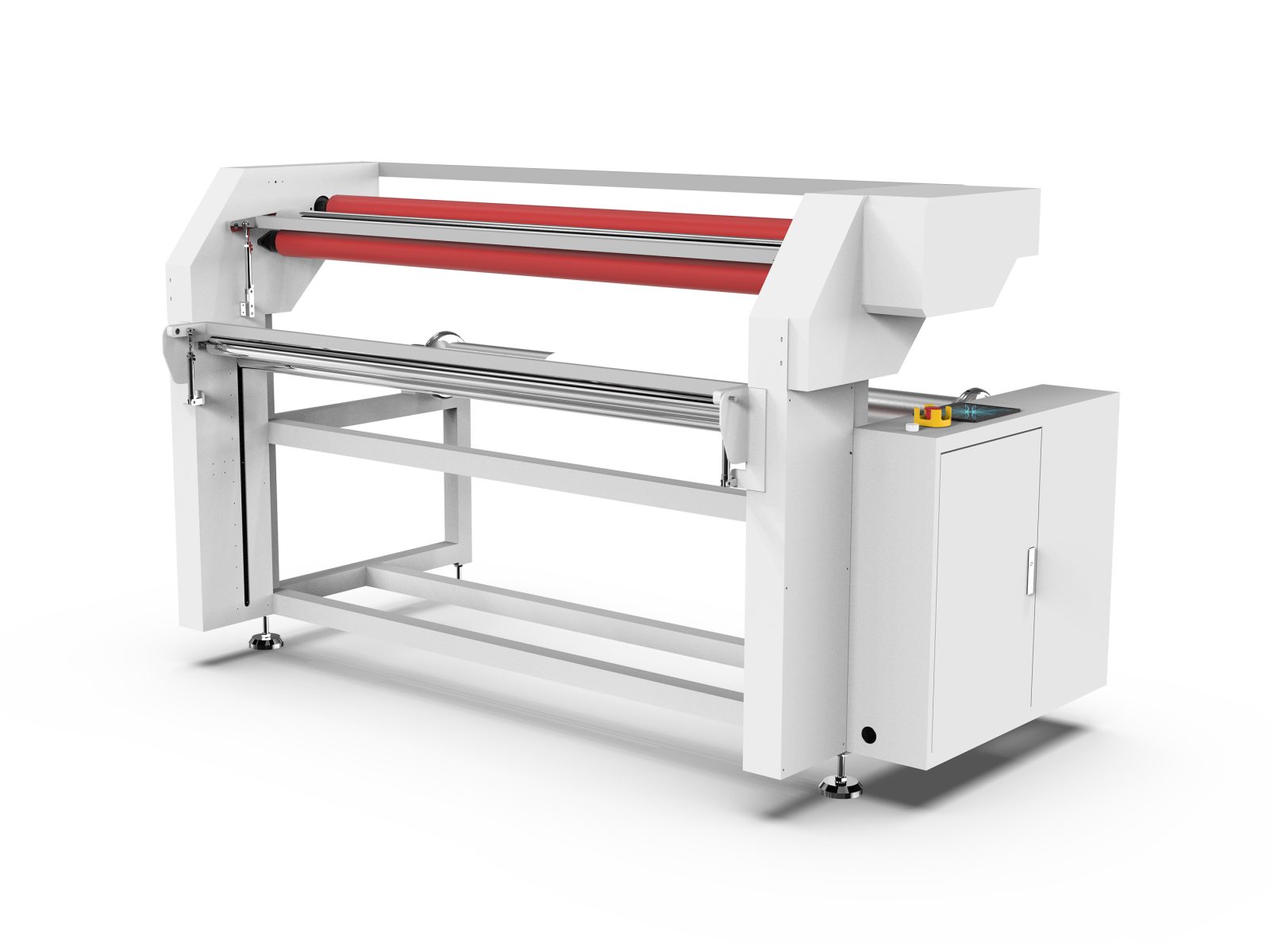
The motorized feeding rack (without deviation correction) DN-PJ063 is a power-driven active unwinding and feeding device, mainly used for the stable supply of roll materials before cutting and processing. It uses a motor for active unwinding to replace manual or passive material pulling, solving problems such as easy loosening of roll materials during feeding, uneven tension, and discontinuous material supply. It is suitable for processing scenarios that require feeding efficiency but do not need lateral deviation correction in the process, with a simple structure that is convenient for on-site installation and daily maintenance.
Core Features
- Active unwinding for smooth feeding: The reel is driven by power for active unwinding, reducing material stretching and accumulation caused by passive pulling, resulting in more continuous feeding.
- Stable feeding with controllable tension: Equipped with speed regulation and tension adjustment mechanisms, the unwinding speed can be adjusted according to material thickness and width to keep the feeding process stable.
- Simple structure and easy maintenance: Without a deviation correction mechanism, the whole machine has a compact structure and fewer components, making daily inspection and replacement of wear parts more effortless.
- Strong load adaptability: The reel and support structure can be selected according to roll weight and roll diameter range, adapting to the loading needs of rolls of different specifications.
- Easy production line integration: It can be used online with cutting machines, cutting-off machines, and other equipment, feeding according to the cycle to improve the efficiency of the entire line.
Applicable Materials and Industries
This feeding rack is suitable for various roll materials, such as plastic film, paper, non-woven fabric, foam, adhesive tape, foil, and some flexible composite materials, etc., and can meet the unwinding needs of different roll diameters and roll weights. It is widely used in packaging and printing, paper product processing, plastic products, textile and non-woven, electronic auxiliary material cutting, and other industries, especially suitable for feeding processes where the lateral position of the material is stable and no deviation correction is required.
Selection and Matching Suggestions
When selecting a model, it is recommended to first confirm the maximum roll diameter, roll weight, material width and thickness of the rolled material, as well as the required feeding speed range, and determine the reel specifications, drive power, and load-bearing structure accordingly; if the material is relatively thin or prone to stretching, priority should be given to tension adjustment and unwinding stability. When matching with cutting equipment, it is recommended to confirm that the discharge height of the feeding rack is consistent with the feed inlet of the cutting machine, and to coordinate the online signal and start-stop rhythm; for processes with high requirements for lateral position, models with deviation correction function can be evaluated separately.