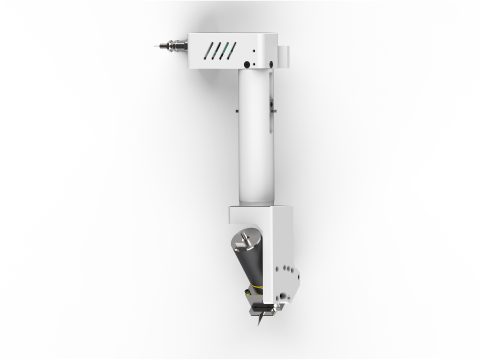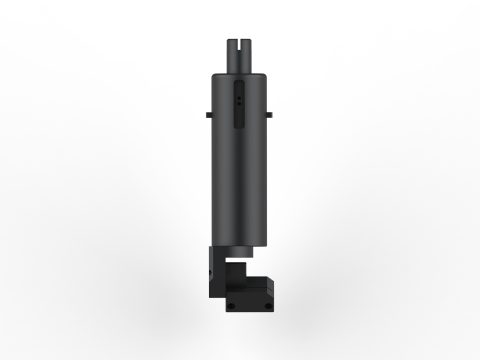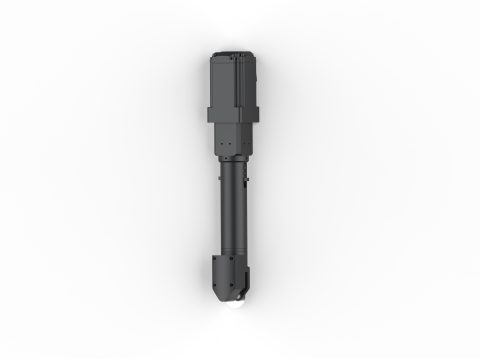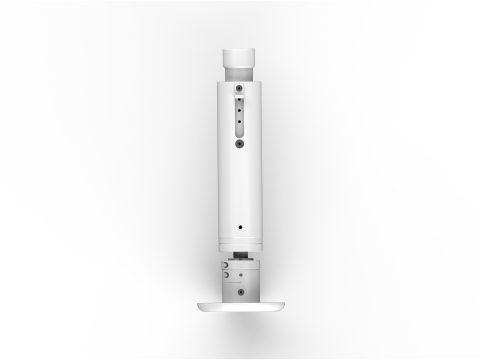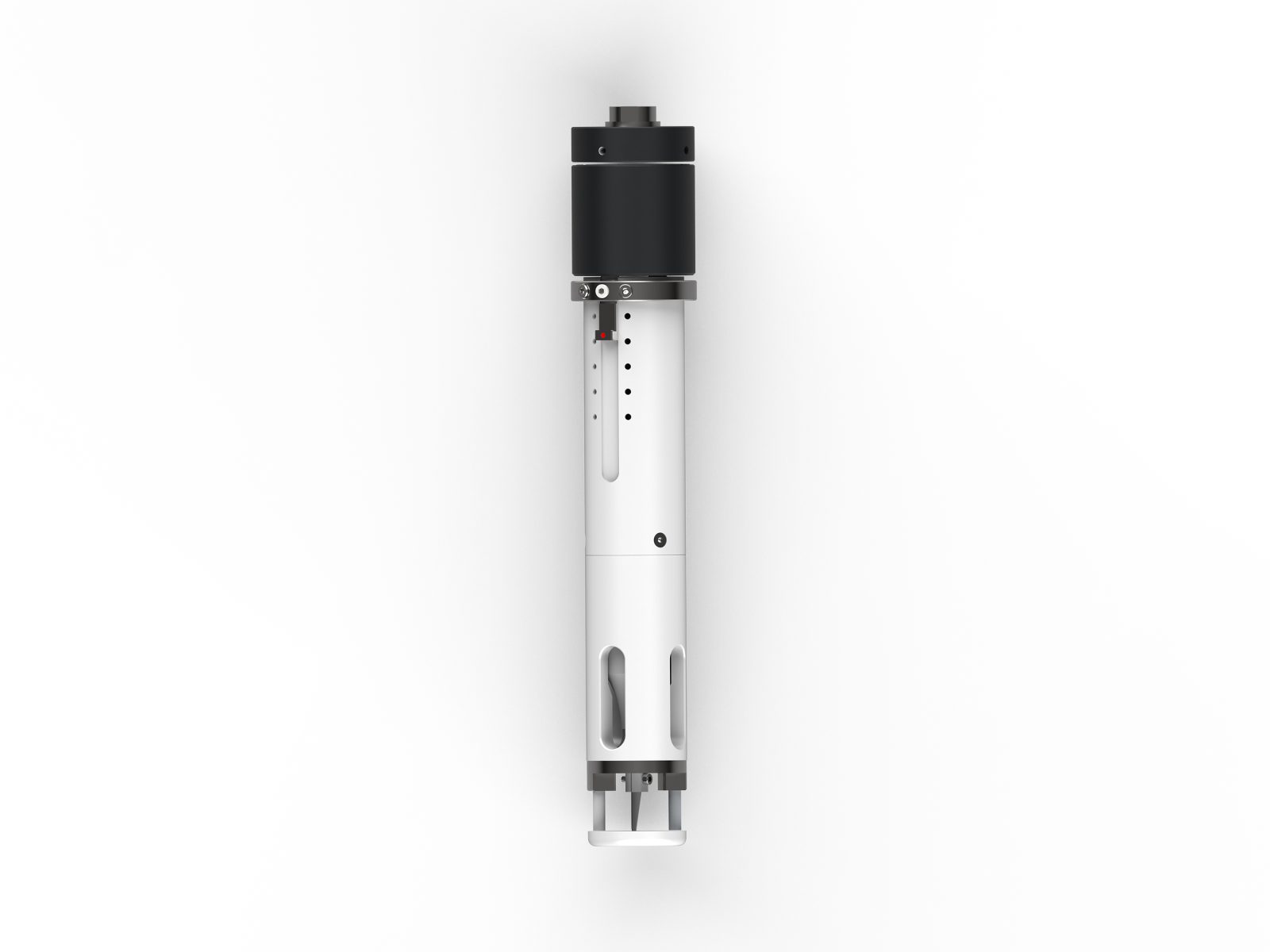
The DN-JT059 ultrasonic knife head is one of the optional tools for DNCUT CNC oscillating knife cutting machines. Through high-frequency, low-amplitude ultrasonic vibration, it causes materials to fuse and break by friction, solving the problems of frayed edges and debris shedding when cutting materials such as fiberglass, carbon fiber, and non-woven fabrics.
Core Advantages
- Ultrasonic high-frequency fusion cuttingLow cutting resistance makes the cutting process of hot-melt materials lighter and smoother, reducing mechanical pulling on the material.
- Automatic edge sealing on the cut surfaceThe cut is smooth and fused, so materials such as chemical fiber fabrics and non-woven fabrics are less likely to fray after cutting, eliminating the need for subsequent edge-sealing processes.
- No dust generationFusion cutting replaces mechanical cutting, making the cutting process clean and suitable for workshop environments with cleanliness requirements.
- Suitable for hot-melt materialsFor the high-precision cutting needs of composite materials, chemical fiber fabrics, and other materials, it can work with the CNC platform to complete contour cutting.
Applicable Materials and Industries
This knife head is mainly intended for hot-melt materials, including chemical fiber fabrics, non-woven fabrics, and composite materials such as fiberglass and carbon fiber. It is commonly used in cutting processes in industries such as textiles and apparel, automotive interiors, and composite material processing, and is especially suitable for occasions where edge sealing is required after cutting and debris generation is not desired.
Selection Advice
Before selection, first confirm whether the material has hot-melt characteristics; non-hot-melt materials are not suitable for this knife head. Then check the material thickness and edge-sealing requirements after cutting, and confirm compatibility with the knife head interface and power configuration of the existing equipment. Before mass production, it is recommended to take samples for trial cutting to confirm whether the cut-surface edge-sealing effect and cutting speed meet the process requirements.